
Y for Yo Yo Life

Life is a bit like a Yo Yo. The fact that the lymphoma has vanished is encouraging, although that is what I expected. It is the doubt cast over “possible malignant process in the mesentery” that causes concern.

The visit to the colorectal surgeon was an eye opener. Just as well I read the reviews about him online before attending the surgery. He didn’t have what one would call a bedside manner and mumbled as he talked so it was hard to understand everything he said but apparently he is very competent which is the most important thing.

He booked me into Wollongong Public Hospital for a laparoscopic biopsy of mesenteric lymph nodes in eleven days time. He couldn’t do it sooner and is going away in three week’s. He described the operation, especially the “exciting” bits where his face lit up with enthusiasm. Obviously he loves his job.

That means changing my medical appointment for my driver’s licence. In NSW, when you turn 75, you have to undergo a medical examination every year to prove you are still capable of being on the road. This time it will be accompanied by a Health and Welfare check which is funded by Medicare for the over 75s. That definitely does not apply to me, I keep thinking. I can’t be that old.

I have moved that appointment to thirteen days time so hope I’m up and about by then. As this is all happening in April, I hope to be able to inform you of the result of the biopsy by the time we get to Z.

I have to consider the next option if the biopsy shows signs of lymphoma. The haemotologist offhandedly said if lymphoma recurred I would go to Westmead Hospital for CAR T-Cell Therapy and then I would be cured. Such confidence!

I thought I had better prepare for the worst so did some digging. Westmead Hospital is a leading centre in Australia for CAR T-Cell therapy. The specialised immunotherapy offered involves reprogramming a patient’s own T-cells to attack cancer cells. It involves an initial hospital stay of 10 to 14 days. Following discharge the patient must stay within one hour of the hospital for at least 30 days for close monitoring of side effects like cytokine release syndrome. The hospital is 1 hour and 20 minutes by car from my home and 33 minutes from my daughter.
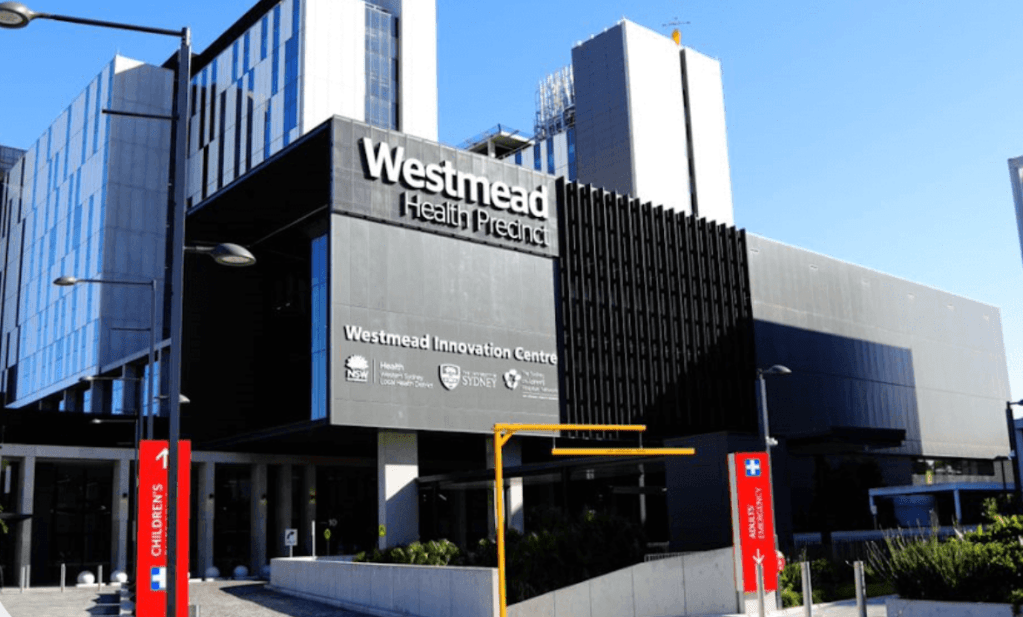
That looks like a lot of driving! Let’s hope it doesn’t come to that but one has to be prepared. I wasn’t concerned when I spoke to the haematologist but reading the reports from the CT scan and the PET scan are considerably more scary.

Let’s hope Z is for Zero signs of lymphoma, Zero further treatment, and Zero worries. Or it could be Zen, a state of calm, peace and acceptance of the present moment.
M for Medication, Eating and Drinking

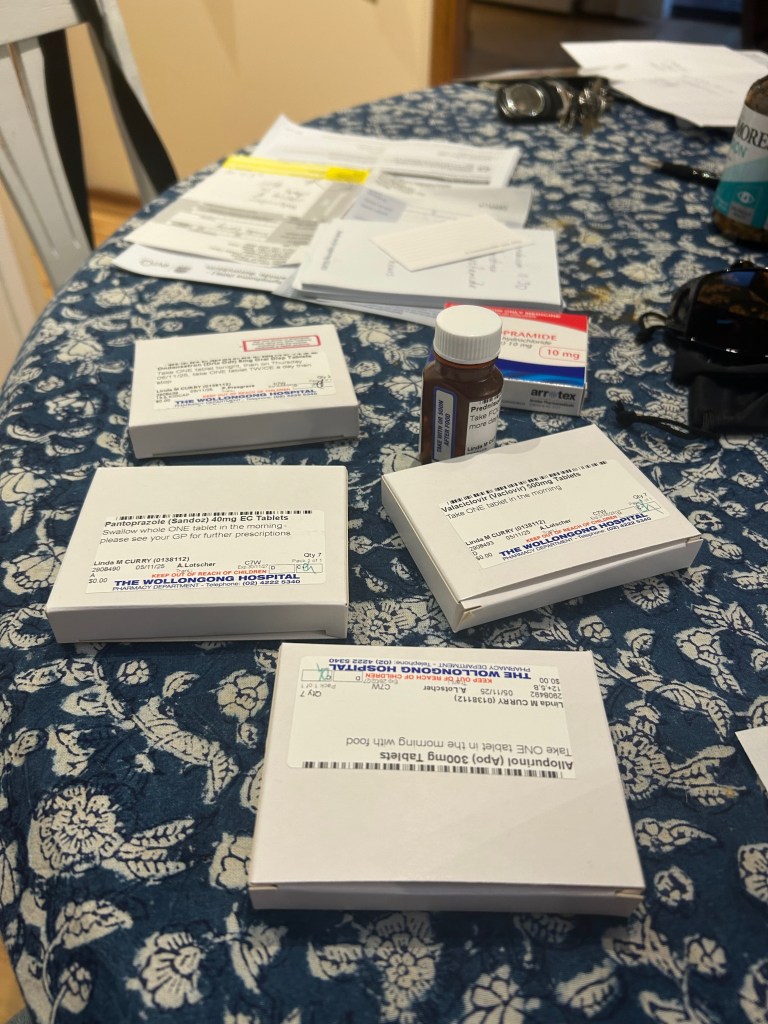
When I first came home from hospital, I was given a hand-written chart with all my medications, their purpose and when to take them. Some days, especially early in the cycle, involved many more tablets than later in the cycle.  I decided to list them on a Friday when my medications were at their maximum just to see what was going into my body and why.

  1. Allopurinal is for kidney protection and works by reducing the production of uric acid
  2. Pantaprazole is an antacid and treats heartburn and acid reflux
  3. Valaciclovic is an anti-viral and importantly keeps shingles at bay
  4. Ondansentron prevents nausea and vomiting
  5. Prednisolone is a steroid taken for four days after chemo that manages side effects and also destroys cancer cells
  6. Resprim Forte is an antibiotic taken three times a week in a low dose
  7. Loratadine is an antihistamine which helps reduce bone pain after a Pelgraz injection
  8. Pelgraz injection (given by nurse four days after chemo) stimulates the bone marrow to make more white blood cells
  9. Panadol helps with pain from Pelgraz injection
  10. Temazapan helps with sleep while taking Prednisolone (steroids)
  11. Two sachets of Movacol with water plus Coloxyl tablets help with constipation caused by chemo. 
  12. Atorvastatin for cholesterol (a pre-existing medication)

Once the six cycles had finished I was reduced to taking 1, 2, 3, 6 and 12..

Six weeks later I am down to 3,6 and 12.

It is rather confronting to be pouring all these medications into one’s body but most of them are trying to repair the damage caused by the chemotherapy so the thought of not having them is even more alarming.

When I began treatment for DLBCL (Diffuse Large B-Cell Lymphoma) I was told I had to avoid certain foods as my immunity would be low.  It included a few of my favourite things such as oysters, sushi and soft cheeses. Generally, one has to avoid raw, undercooked or unpasteurised foods, so the rare steak with blood dripping from it or the runny boiled eggs for dipping soldiers in were off the menu.

Deli meats are also discouraged because of the potential for listeria.  Salami, bacon and ham with their high fat and salt content are also not recommended.  I didn’t realise this until I had devoured a large portion of the Christmas ham. Raw foods must be carefully washed so my salad spinner became a regular kitchen tool, removing water from grapes, raspberries, blueberries and strawberries.  Pasteurised yoghurt was safe to eat, but not kombucha, according to my research.

The greatest impact on my routine was the consumption of alcohol.  Chemotherapy drugs put a huge strain on the liver, so the extra strain caused by alcohol could cause inflammation or worse.  As well, alcohol can worsen nausea, dehydration and fatigue. It was a no brainer to stop my two drinks a day habit.

Five o’clock in the evening and my usual glass of white wine had to be replaced, possibly forever, but with what?

Almost immediately my Face Book was inundated with suggestions for non-alcoholic drinks. I have tried many in the last five months and still have not discovered the perfect one. My favourite is still tonic water with ice and lemon.  I buy the low sugar variety and hope it doesn’t do too much harm.

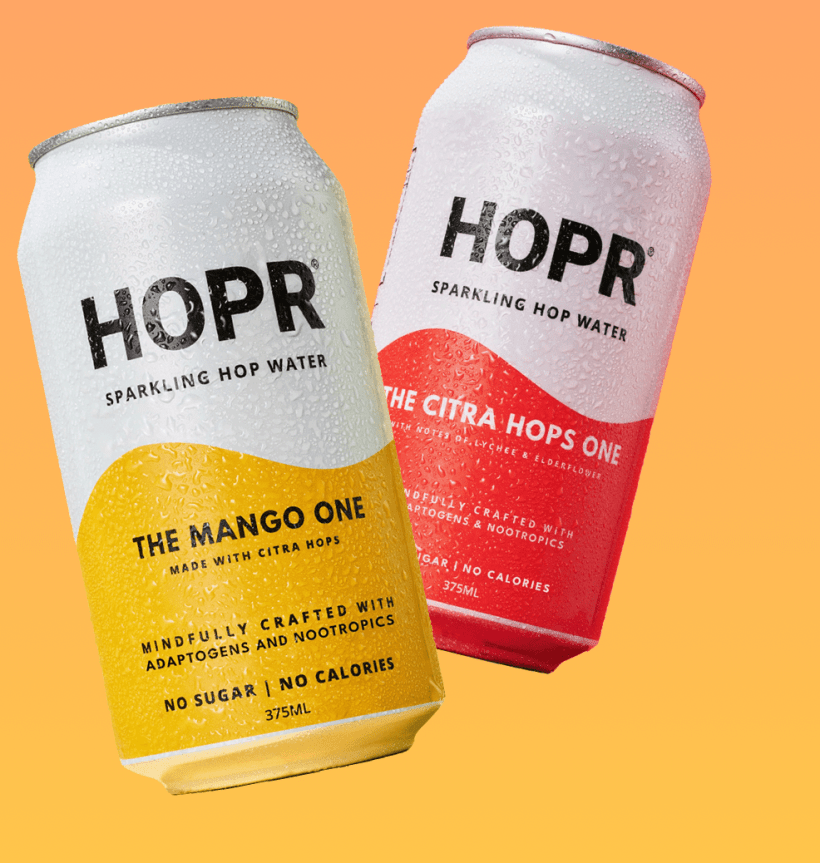
Heineken Zero beer is a pleasant drink, even for a non-beer drinker like me.  There is a hops based drink called Hopr which appears on my Face Book quite regularly so I decided to give it a try.  

The Hopr drinks have a slightly bitter taste that takes a while to get used to, are refreshing and not sweet. I found some varieties tasted better than others but served in a wine glass it is a pleasant drink to sip while preparing the evening meal.  

I used to have a glass of red wine with dinner but not any more. Some wine substitutes I tried were from the Altina drinks collection. For Christmas Day I celebrated with s Sparkling Sansgria.  Although I enjoyed it the first few times I had it it is not something I could drink on a regular basis.  There is also a Sparkling Rose which is quite drinkable but when the alcohol is taken out of wine it definitely loses something.

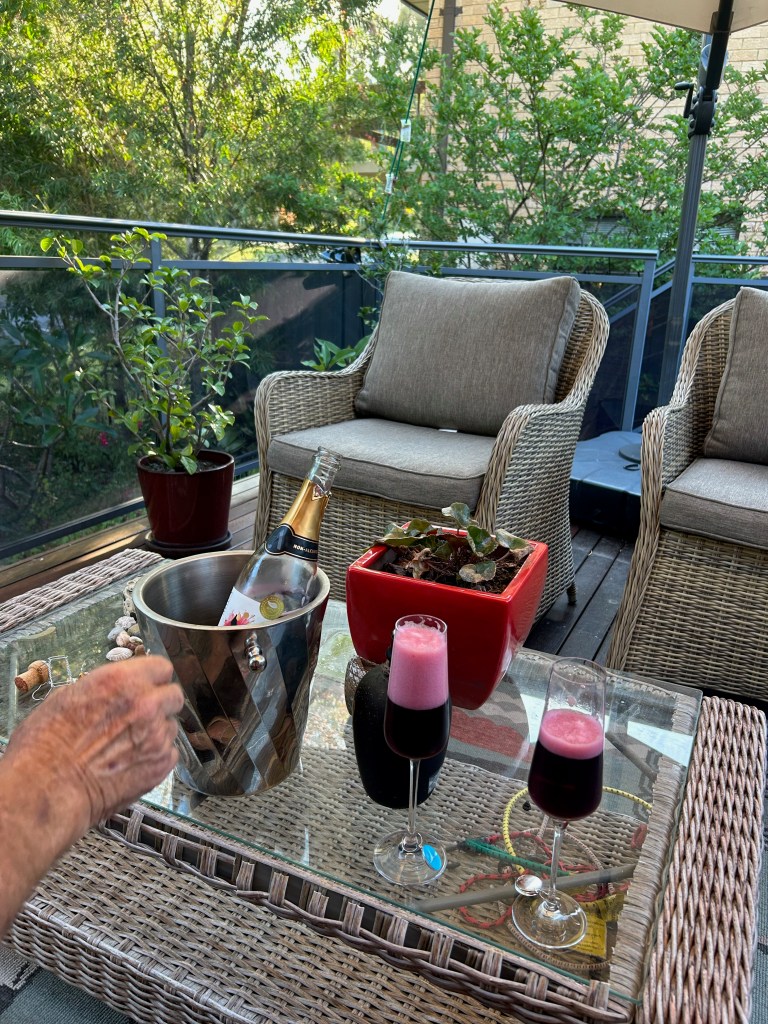
I broke the drought and had a glass of champagne on my birthday, six weeks after I finished chemo. Six days later I had one on John’s birthday. However, I have decided to limit alcohol intake to small amounts on special occasions.

L for Living Life Every Day

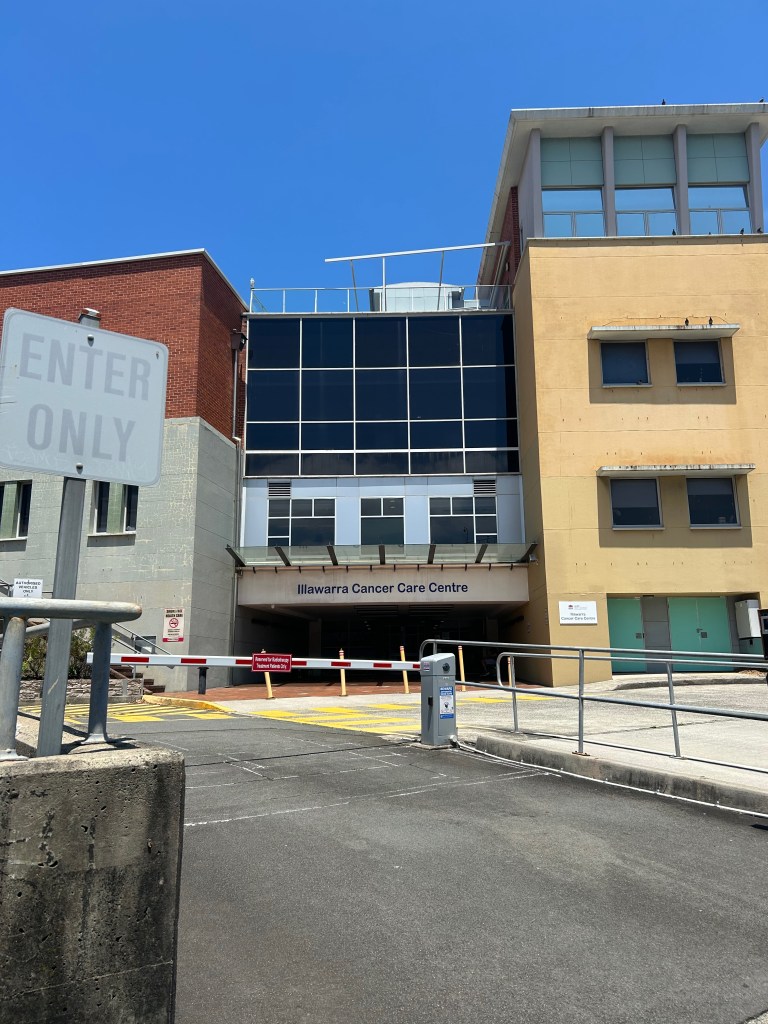
 After a few cycles I almost knew what to expect on each and every day. Walking out of the Cancer Care Centre was the most wonderful feeling of freedom with a whole three weeks ahead before it started again.  This is what I wrote after the first visit to the Day Centre.

John dropped me off at the front.  I walked into the Cancer Care section and took the lift up to the 2nd floor.  Wrong.  Down to the first floor.

I had to wait in the waiting room for ten minutes.  Then I was introduced to my nurse Mia and shown to a reclining chair.

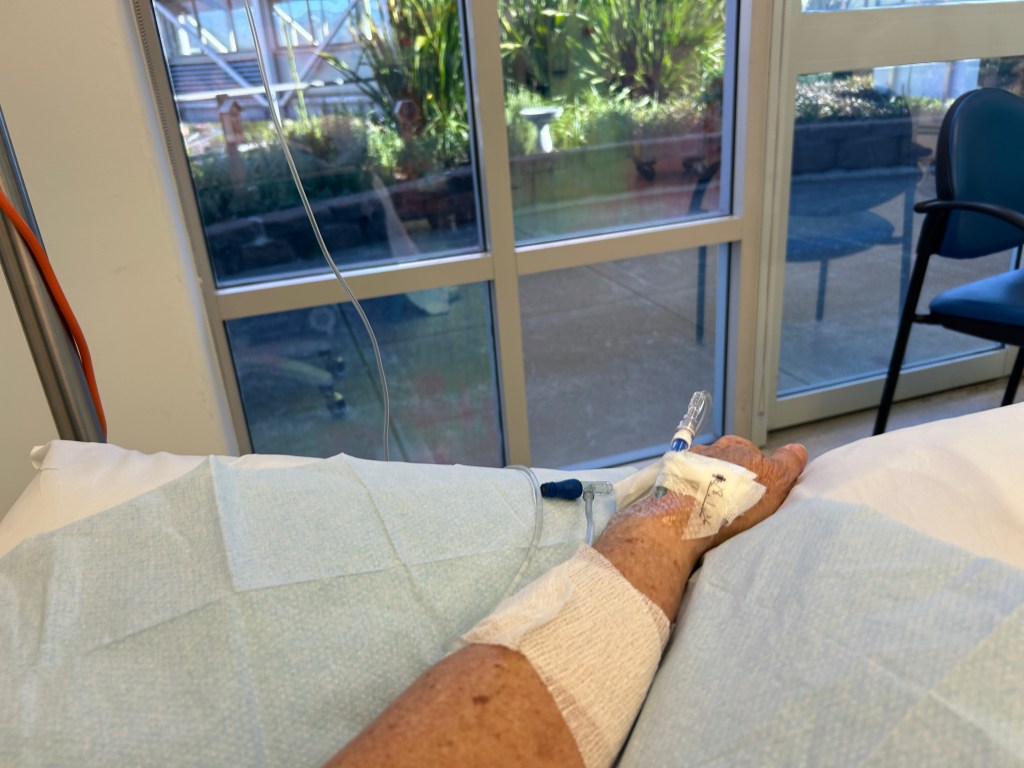
The order of chemo was changed from the one I had in hospital.  The Retuximab was infused first and took several hours. The other drugs all took less time and I was all finished in about five hours. My nurse was a senior nurse but she had just returned from maternity leave and said even in ten months things had changed a lot.  She was being reaccredited so had another nurse watching and discussing everything that took place.  All went well except it took two goes to get the cannula into a vein.

I came home with a bag of goodies, creams, mouthwash, lip balm.  Also chose two turbans made by local sewers for free. One I like because you can thread a scarf through it which gives it a bit more bulk.  I will try to buy some scarves in different colours for the other hats I have.

The time was filled with reading and listening to my audio books. Once a volunteer chaplain stopped by to talk. I told her I wasn’t religious but was happy to talk anyway. I had imagined that I might chat to the other people getting their infusions but they were too far away and every time I went there were different people in the chairs. The nurses were looking after several people at once so didn’t have much time to talk either. I did notice before Christmas that they wore colourful festive uniforms and asked if they were supplied. It seems they have to buy them but they can put them aside to use next year. They are a long way from the starched white dresses of the old days but far more practical and comfortable.

After each infusion, days 1 to 6 were not too unpleasant. Sometimes I had energy thanks to the steroids and was motivated to clean out cupboards and place unwanted goods on Marketplace. I might have a slight headache or feel a bit groggy but it was bearable.  The main problem was not being able to sleep at night so the doctor gave me a prescription for Temezapam which was to be used only when absolutely necessary.  I found I didn’t need it after the first few days. On the fourth day I would report to my Medical Centre for have an injection of Pelgraz, which stimulates the bone marrow to produce more white blood cells.  It was suggested I might like to do this injection in the stomach myself but I vehemently declined as I can’t even stand to look at needles.

The side effects of Pelgraz are bone pain but I found taking an anti-histamine and Panadol removed any unpleasant symptoms for a while at least.

Day 7 was usually a shock as each cycle I dared to hope that it would be different to last time.  It’s funny how memories fade and If I hadn’t written down how I felt it I would not believe it.  The effect of the steroids wore off and all of a sudden the whole body reacted to the drugs killing the cancer cells.  I think I was lucky because I have read of people who were much worse off than I was.

For about seven days it felt a bit like having the flu.  All my body ached, with swollen glands and blocked ears. My feet swelled up so that shoes no longer fitted, sore spots appeared in my mouth and throat to make eating and swallowing difficult, appetite disappeared and a mild feeling of nausea was ever present.  Tummy upsets were common and constipation became so serious I rang a lovely, kind cancer care nurse called Jewel who suggested I come in for an X-ray.  Much as I didn’t want to go back to the hospital I agreed and was cheered by the fact that there was nothing copious glasses of Movacol and Coloxyl wouldn’t fix.  I learnt to be better prepared in future.

I noticed numbness on my fingertips and in my toes.  This spread along the soles of my feet.  It wasn’t painful, just strange, like walking on soft straw.  The doctor said it was neuropathy and to prevent it getting worse he left Vincristine out of my sixth and last cycle. The strength in my legs reduced markedly.  Whereas before I could easily stand up out of a lounge chair while holding a tray I now had to place the tray on the floor and use the arm of the chair to help me stand.

As my hair began thinning John cut it short so the pillow was no longer covered in hair.  Eventually I asked him to give me a buzz cut which looked better than wispy bits of hair standing on end. My big toenails turned black and started lifting off, maybe from the pressure of my shoes so I invested in a pair of wide toed joggers and socks with individual toes.

Fortunately these symptoms didn’t all appear at the same time and there were medications for nausea, a mouthwash for the Mucositis (sore mouth and throat), Panadol for aches and pains and no need to do anything but try and get a meal on the table at night.  The frozen meals were a godsend.

Then around day 14 I would begin to feel normal.  After each cycle I noticed a few more symptoms lingering but on the whole I felt ready to face it all again by the time day 21 arrived.

What a relief each time I left the Cancer Car Centre, especially after infusion number 6.

I for Infusion Day

Half Yours won the Melbourne Cup ridden by female jockey Jamie Melham.

The day that stops a nation was memorable in other ways for me.  It was Infusion Day.

It began at 5 am, when I had blood pressure taken, shower at 6 am, breakfast at 8 am followed by the Registrar who came around and explained how the chemotherapy would be administered.

The nurse assigned to the task was carrying out this procedure for the very first time. As a result, she encountered some difficulty while attempting to insert a new cannula.

She tried about four spots and kept saying sorry.  The senior nurse came in eventually and put it in first attempt. It is still there in case I need any more drugs administered.

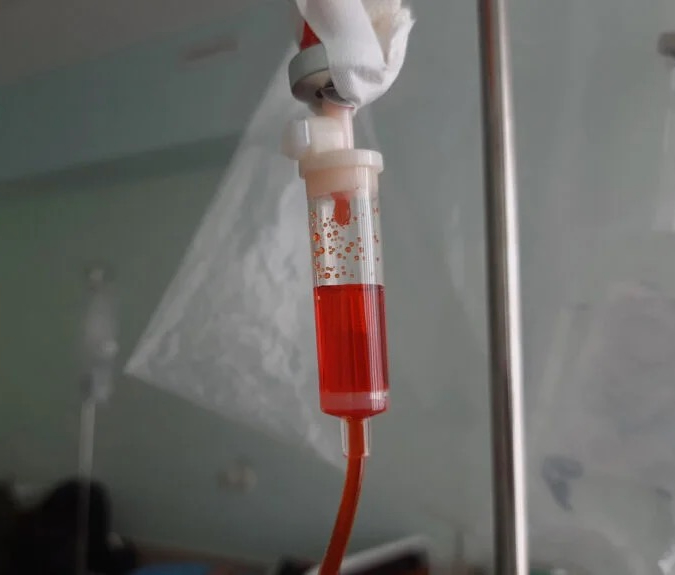
At 11.30 the Doxorubicin was first drug of my treatment. It stops cancer cell division and side effects include hair loss, nausea, fatigue and potential long-term heart damage. It glowed bright red and was administered slowly with a large syringe into the cannula by the junior nurse who was dressed from head to toe in plastic.  She was very nervous but was watched closely by her superior. It took about 15 minutes and we were all relieved when it was over. 

The next syringe held Vincristine which took about 10 minutes to infuse.  Apparently, this drug prevents cancer cells from forming new cells and triggers cell death. Side effects include Neuropathy in hands and feet, severe constipation, hair loss, fatigue, muscle weakness and low white blood cell count which increases risk of infection. Unaware of these dire side effects I was just happy that the young nurse was becoming more confident. 

Cyclophosphamide was next and this time I was hooked up to the machine for about an hour.  It works by damaging the DNA of cancer cells, preventing them from dividing and multiplying. Side effects include hair loss, nausea and reduced white blood cell counts. 

A saline drip was used between each application. The final infusion was to take four or five hours in case of an allergic reaction. Retuximab works by blocking the protein that causes cancer cells to grow and multiply.  Side effects can be fever, chills, rash and fatigue, even pneumonia! Every half hour a new bag was attached.   Some orderlies arrived to take me off for the breast biopsies but I was all tied up and couldn’t go.  My haematologist dismissed the biopsies and said they probably weren’t necessary as any anomalies in the breast could be put down to lymphoma.  I was in no position to argue. 

I’m home again.  Hard to believe but here I am.

This morning I thought I would be just resting but a nurse came in for three vials of blood before disappearing.  I had woken at 3.30 am and lay awake until 5 am when my blood pressure was taken. I must have dozed off until 7.30 am when the breakfast arrived.  Not sure when the vampire visit took place.

The haematologist came around and gave a prognosis.  75% to 80% chance of recovery after first six rounds of chemo.  If it failed I could do a second or a third round if necessary.  That seems a long way away and I’m surprisingly sanguine about the whole thing.

I was wheeled off for my MRI in my bed which felt very decadent.  My trolley pusher was a student at Wagga Uni doing early childhood education.  He was discussing it with another bed pusher. The MRI took about an hour and a half. I’m an old hand at these now.  I’m just glad I’m not paying for all these tests.

The Haematologist came back in.  He cancelled the heart fluid test as it was taking too long to organise.  He said if there was fluid around the heart it was because of the lymphoma and the treatment would sort it out.  I was happy to go home and called John.  We were not allowed to escape that easily as we had to wait for the Pharmacologist to explain all the medication and what it was for.  She drew up a chart which outlined what to take each day.  A nurse brought over some papers to sign and I was free.

Very happy to be home!

Maybe it was all a dream.  It didn’t happen and I will wake up in the morning as normal.  But no, there is a huge stack of tablets to take after breakfast.

G for Going to Hospital

Every day is full of unknowns. It’s nearly midnight and I am in hospital!

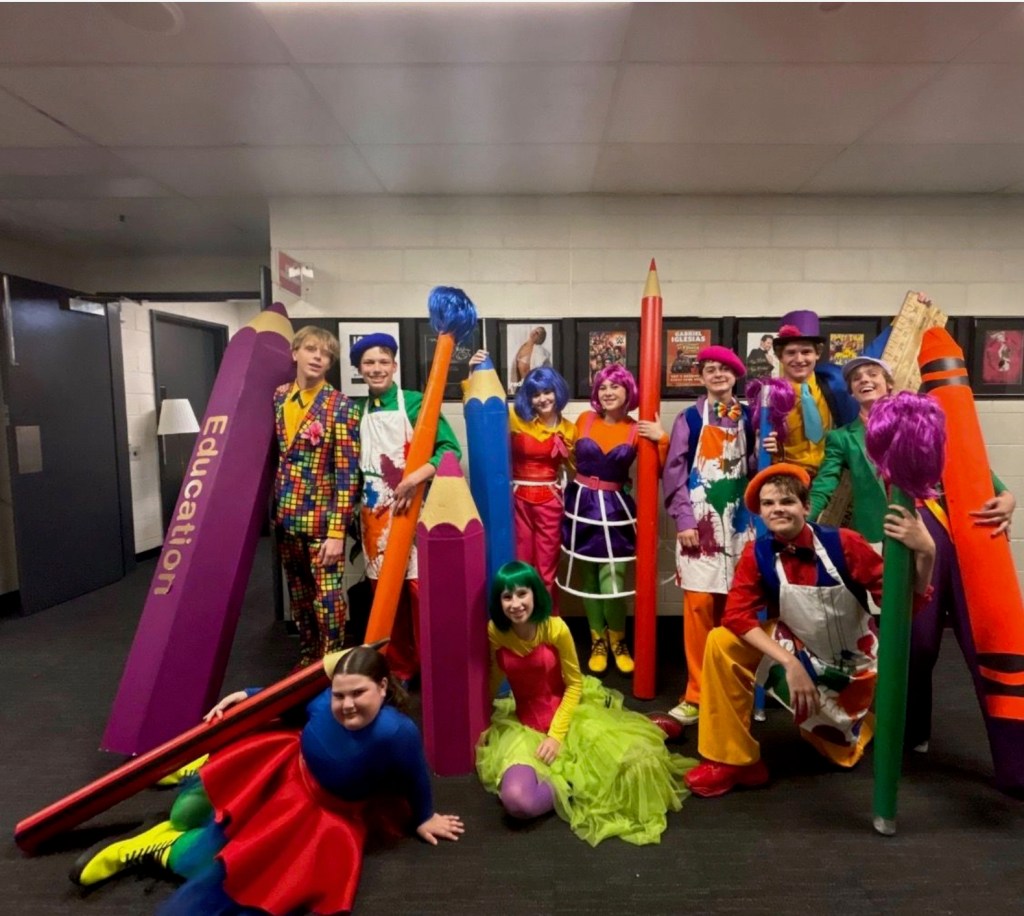
This morning it was Sebastian’s turn to rehearse for School Spectacular at Homebush. After dropping Cordelia off at the railway station, the directions given by Maps took us through a different tunnel so that we came out near Roselands with 10 more kilometres to Olympic Park and about 50 traffic lights. Sebastian had to be there by 9 am (or else) and as the time of arrival approached we all grew increasingly anxious. We made it with 8 minutes to spare.

Sebastion rehearsing for School Spectacular NSW Department of Education

I settled back, preparing to enjoy the trip to Wollongong when my phone rang. It was the hospital asking that I come in for a biopsy of both breasts. Does that mean I could have breast cancer as well as lymphoma?  Anyway, I made an appointment for Tuesday afternoon and felt somewhat depressed as a result. 

The phone rang again. It was the Haemotology Registrar who asked if I would consider going into hospital tonight. He was worried the lesion on my back put me in imminent danger and I could become a paraplegic at any time. He wanted to start me on steroids which would reduce the inflammation on the spine. Then on Monday or Tuesday I’m to start chemotherapy. I was tempted to say, couldn’t hospital just wait until I take the children to The Shiralee, but it seems not.

I had left my bathroom bag in Sydney but managed to rake up some moisturiser, tablets, a toothbrush and toothpaste from our house in Wollongong. We made a mad dash around the shops for pyjamas and slippers.

I had to inform the other grandparents and ask if they would take over the teen sitting. Fortunately, they were on standby and even volunteered to take the grandchildren to the Opera House. 

The doctor thinks I have Non-Hodgkin Lymphoma (Diffuse Large B-cell Lymphoma). Chemo starts Tuesday. Chances of a complete cure are around 70 to 80% so that is comforting. I’m so relieved it’s not as bad as I first thought.

Diffuse Large B-Cell Lymphoma (DLBCL) is an aggressive, fast-growing type of non-Hodgkin Lymphoma (NHL) that affects B-lymphocytes, the immune cells that create anribodies. While aggressive it is often curable with modern chemotherapy regimens, even at advanced stages.

As there were no beds available at the hospital I was advised to go to Emergency and wait. We arrived at about 3 pm and waited and waited. I nearly discharged myself at one stage as I thought a bed would never become available.  After all, who would go home after 10 o’clock at night? I had a hydration drip from 4 o’clock onwards which started beeping every time I bent my arm.  It made a racket until a nurse came out to reset it.  She smilingly called me a troublemaker but the second time it happened she didn’t comment.  The third time another patient showed me how to reset it.  Press the bell button first and then the green start button.  Pity I wasn’t shown that earlier.

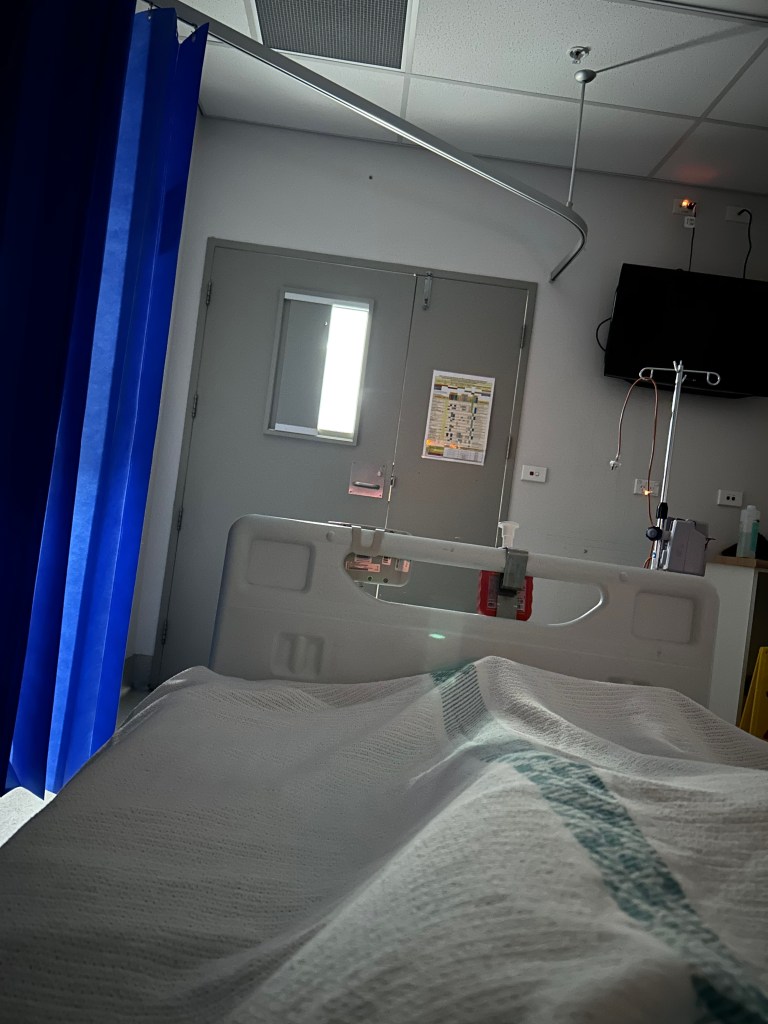
At 11 pm I received the good news that a bed was available.  Apparently an eight hour wait for a bed is considered quite reasonable.  I was wheeled to the Procedure Room which is used when no other beds are available.  It has no windows but right in the middle of the box like room is a bed which I longed to lie on.  It also has no ensuite. I had to walk miles down the corridor to the disabled bathroom but the shower felt so good I’m not complaining.   At least I’m in a room by myself.  Now I will try to get some sleep.

View from my bed