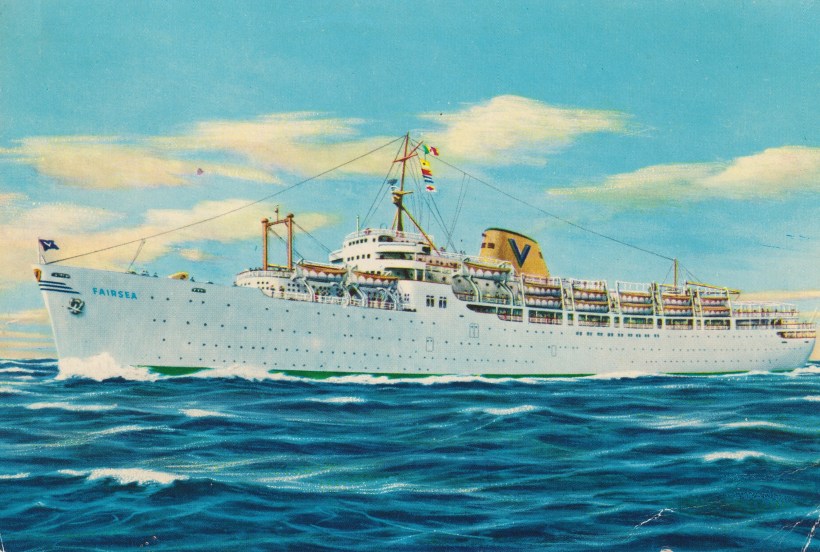

This is the story of Will and his two friends who sailed to England in 1967 to see the world. Aerogrammes. letters, diaries and postcards help to tell of their adventures in this A to Z.
“Going Up the Country”   Canned Heat • 1968
I'm going up the country
Baby, don't you wanna go?
I'm going up the country
Baby, don't you wanna go?
I'm going to some place
Where I've never been before
95 Fordwych Road,West Hamstead NWZ,London. 17/5/1968
Hello! Have been a bit slow getting around to this letter but moving and finding a flat is a big job in London. I received your letter just after I last wrote and very much enjoyed the pics. You should send some more sometime. Also received my licence and news clippings – thank you.
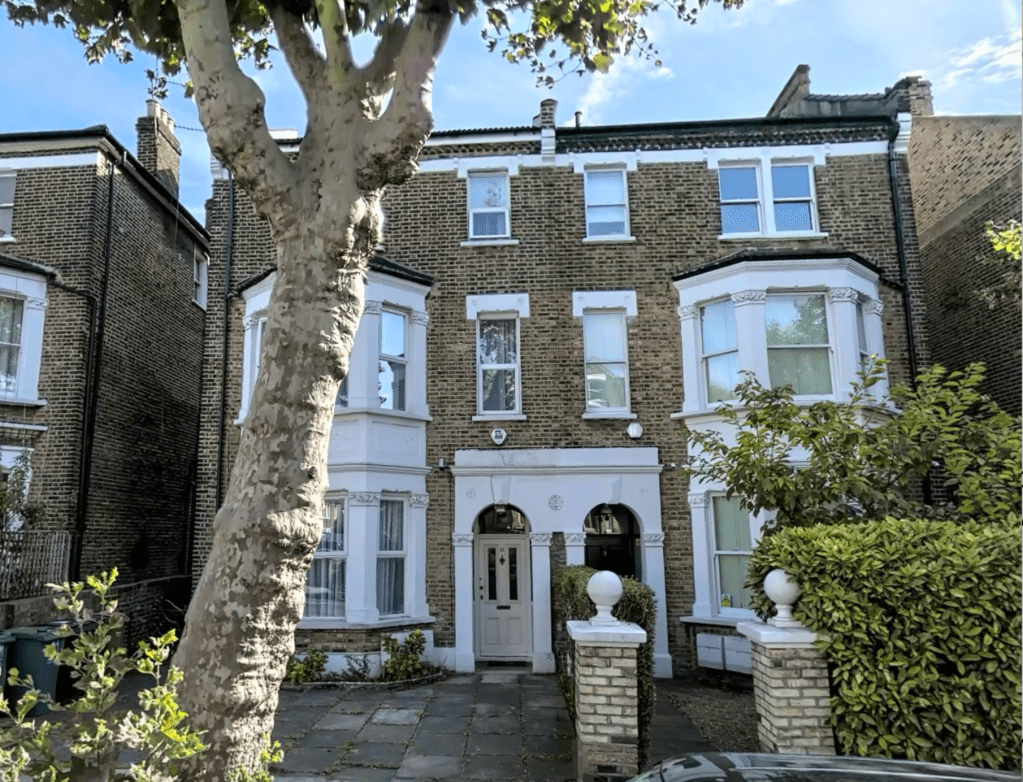
As you can see by the address, Phil and I have a new flat at last as temporary accommodation was getting a bit expensive with the eating out each night. We’re paying £10.10 shillings a week for this flat which is just fair but at least it has two rooms and a kitchen and is central to school and to town. It’s surprising how much stuff, for example pots, pans, crockery, cutlery etc we’ve collected and will either have to throw away or hire a ship to get it home eventually. Have just settled back into school life here again and have now only 6 school days till the Whitsun midterm holidays – 10 days off altogether and at the moment are still figuring on going down to Cornwall though the weather hasn’t been too good. It will be officially summer then – I’m assured by most English that doesn’t mean a thing.
Had a few beers last night with three mates we haven’t seen for a month or two and one of them, Graeme, dropped a bombshell by announcing he’s getting engaged to an English girl. We know he’s been taking her out for some time and she’s doing Teachers College with 18 months to go. Of course, we told him how sorry we were to hear the sad news but her parents are putting on an engagement party (free grog!)
Our school (Essendine) got another mention in the paper last week as reporters came following our letter to the editor and took photos and quite a large article was published.

We are the multiracial staff of a multiracial school and we are wholeheartedly united in opposition to Mr Enoch Powell and to the irresponsible and ill-informed way in which he made known his hatred and fear of coloured immigrants. Our Junior School is not unusual. As to numbers we maintain a very fair balance. About 50% of our children are boys and about 50% are girls. It so happens if one is looking at it in that way that about 50% are white and 50% are immigrants, mostly West Indians. It also so happens that of our immigrant children very many were born in London and have lived in London all their lives. London is their home. We have worked together side by side creating a community in which colour of skin is of no more importance than the colour of your jersey and now from outside comes the undercurrent of hatred and fear, ignorance and prejudice and a restatement in a very alarming way of the age old myth of racial superiority. We are teachers in a deprived area and so we are of course very much aware of all the many many problems which exist, social, educational, economic. How can we hope to solve the problems on the basis of Mr Enoch Powell’s obnoxious philosophy? He has made it that much harder for ordinary people to try in an ordinary and common-sense way to sort these problems out. As teachers we are desperately concerned that boys and girls in our care of whatever colour shall become infected by racial disease which can solve nothing. In this school we have already experienced repercussions. The children are worried, disturbed and hurt as a result of the explosion of racialist sentiments so freely expressed after Mr Powell’s disastrous speech. On our first morning back in school several of our West Indian children came to teachers asking in perplexity , “Is it true that we are all to be sent back home?”
Signed by sixteen members of Essendine staff May 1, 1968
Cilla went for an interview today for an Air Hostess with BOAC and there’s a chance she’ll get it. That’s the way to see the world – get paid to do it.
POSTCARD
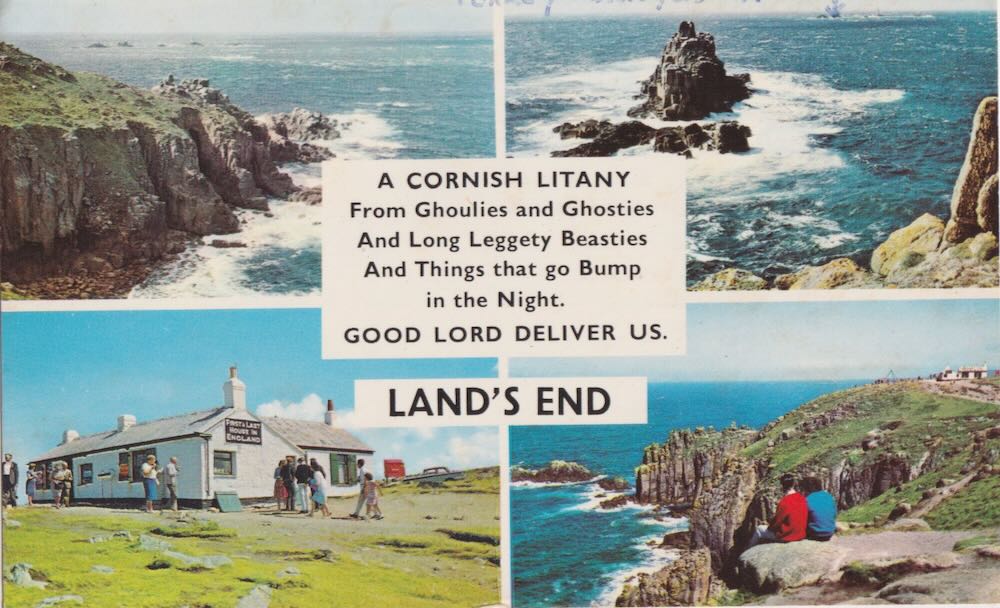
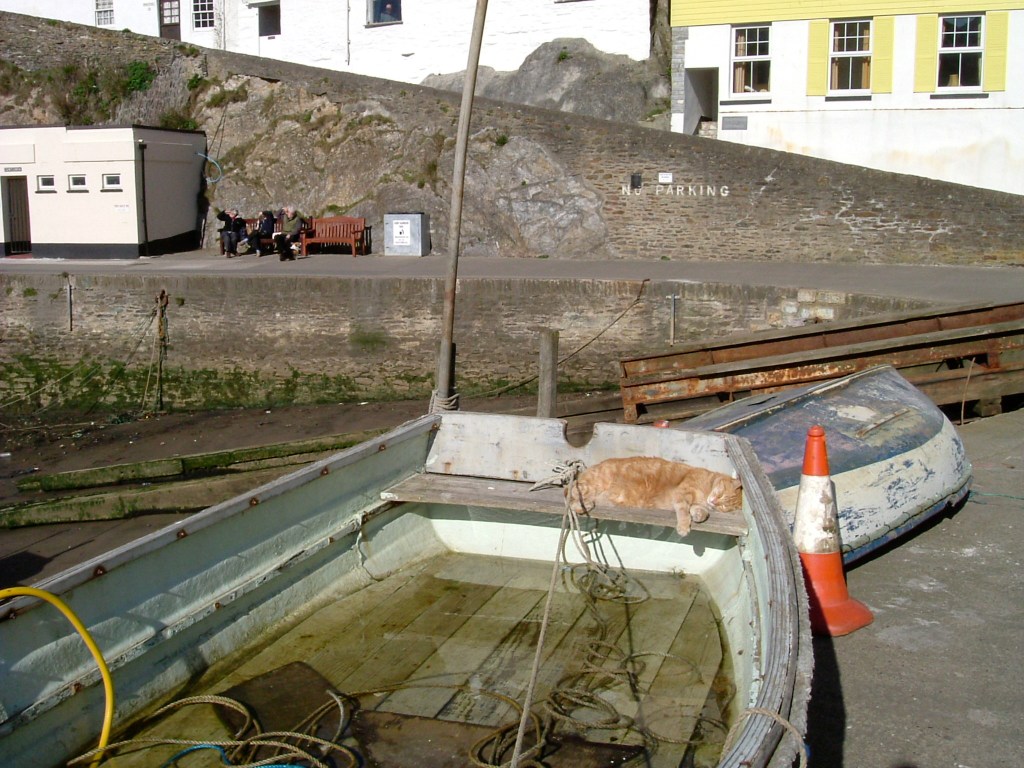
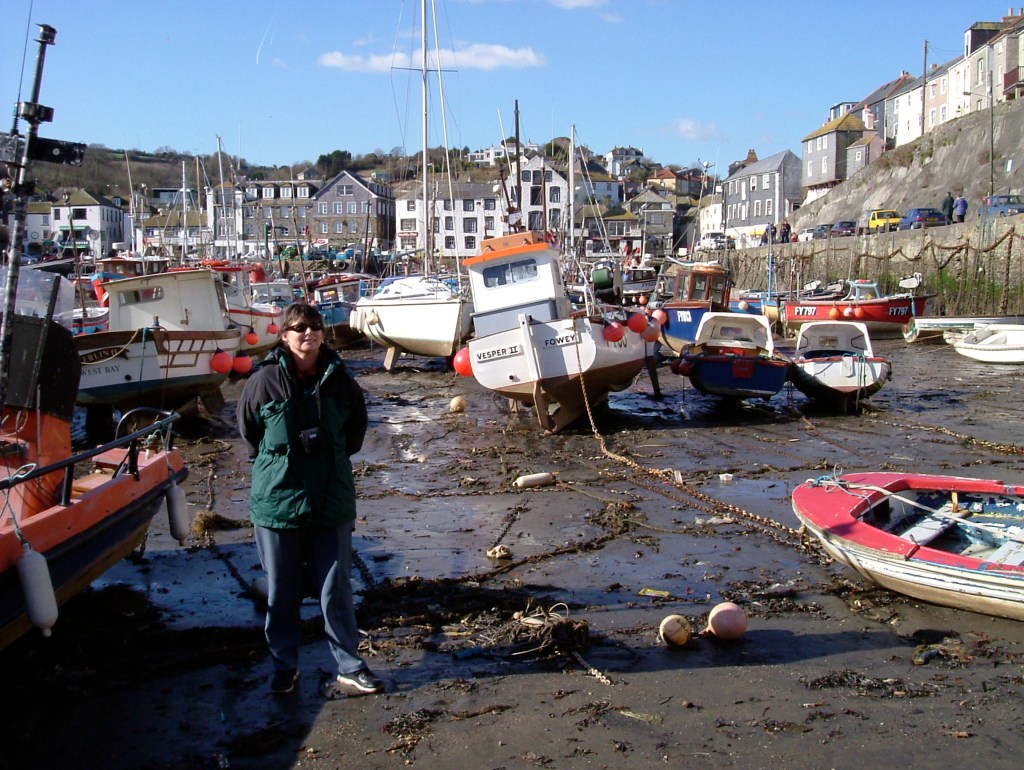
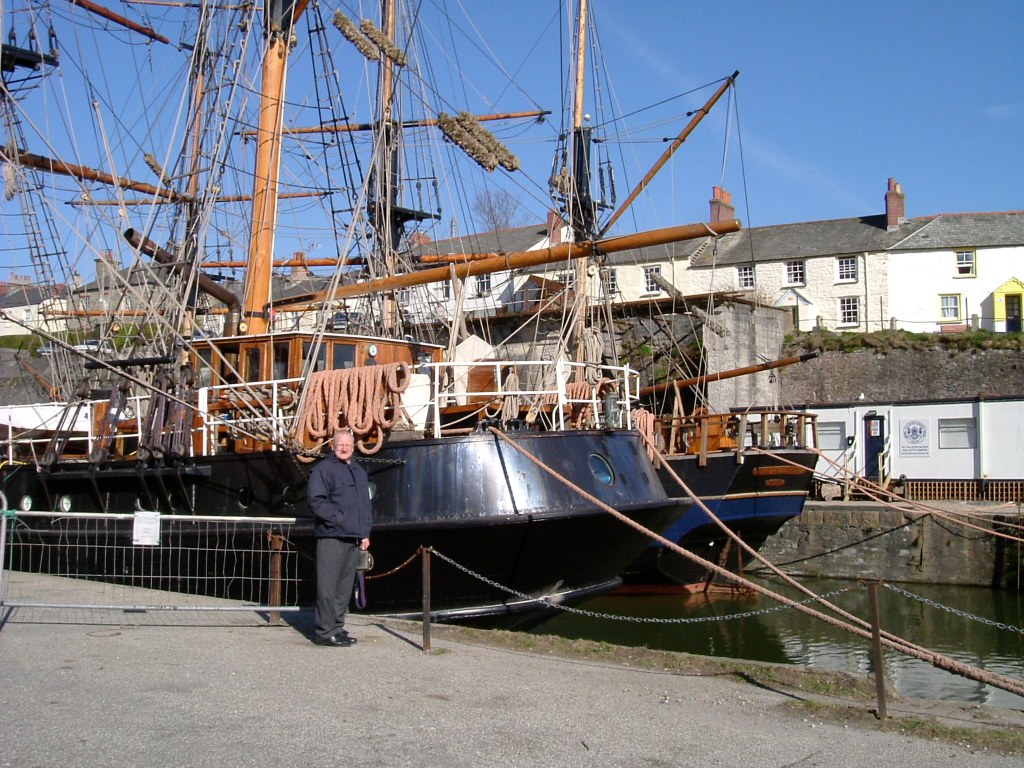
Greetings from Cornwall.
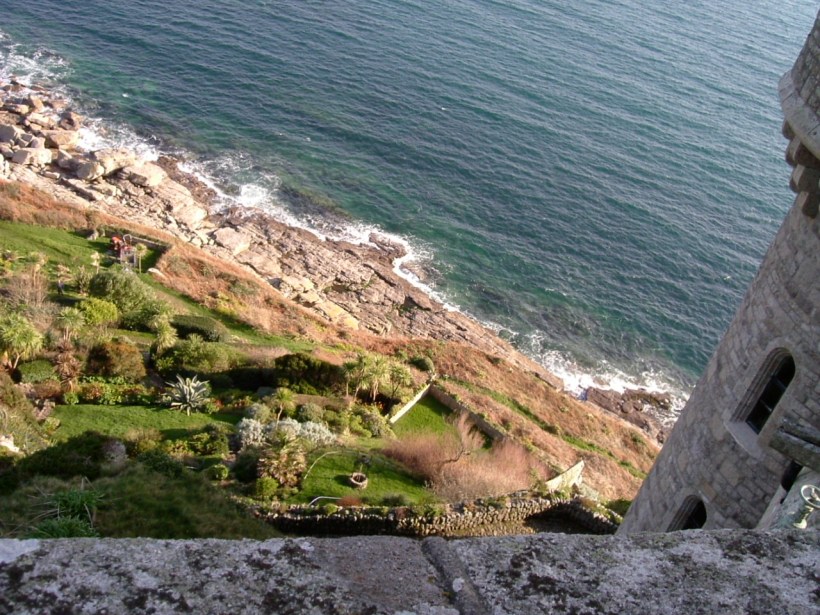
At this moment we are seated in the most southerly car in England as we’re parked on Lizard Point, the last car in the car park! Weather’s not so good but its a change to be out of London. Hope the cliff doesn’t collapse! Checked out some cute villages, pubs etc and just casually pottering about in the countryside.
95 Fordwych Road,West Hamstead NWZ, London.10/06/1968
Hello, received your letter this morning. Did you get my postcard from Cornwall? Pleased to hear you received the rug and like it. It is actually a Scottish tartan but I can’t remember which clan it was.
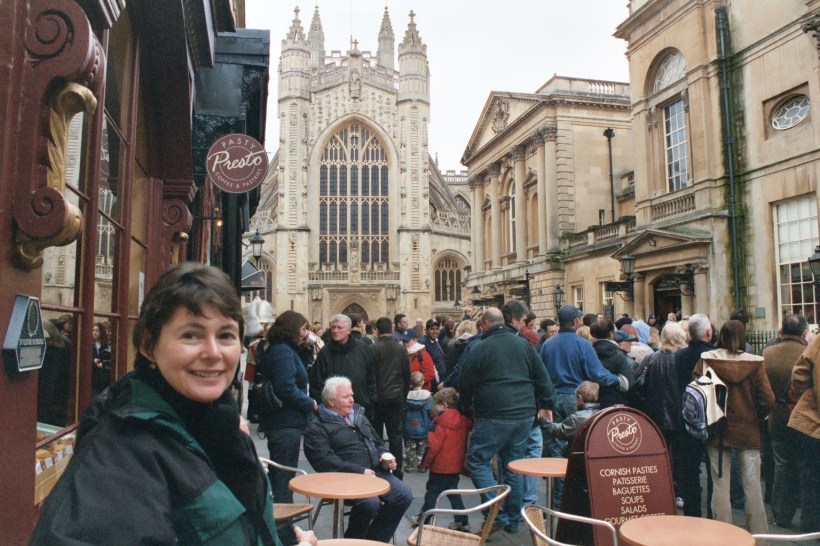
Well, we got back the day before yesterday from our week’s jaunt into the country and had an enjoyable week despite pretty miserable weather as we only got patches of sunshine. Although it only rained for two days it was overcast and cool for quite a bit of the rest of the holiday so of course not warm enough for swimming. We headed out west via Bath and found the spot Captain Arthur Phillip is buried in a little church there (the founder of Australia’s first settlement).
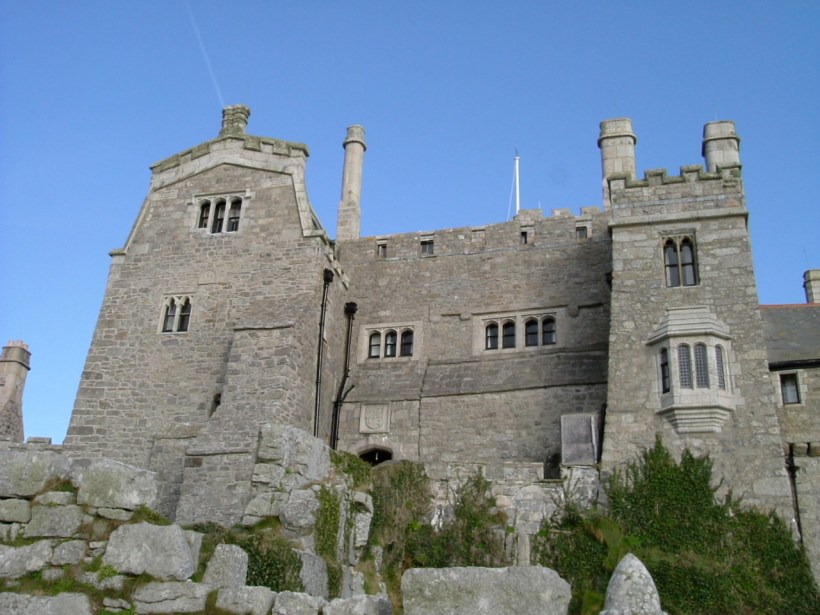
We went on to Cheddar where of course the cheese was beautiful and visited some caves not as good as Jenolan but nevertheless interesting – checked out some quaint little villages with thatched cottages, old manor houses and 12th century pubs etc, visited Castle Combe which was voted last year as England’s prettiest village – the town in which the expensive film Doctor Dolittle was filmed.

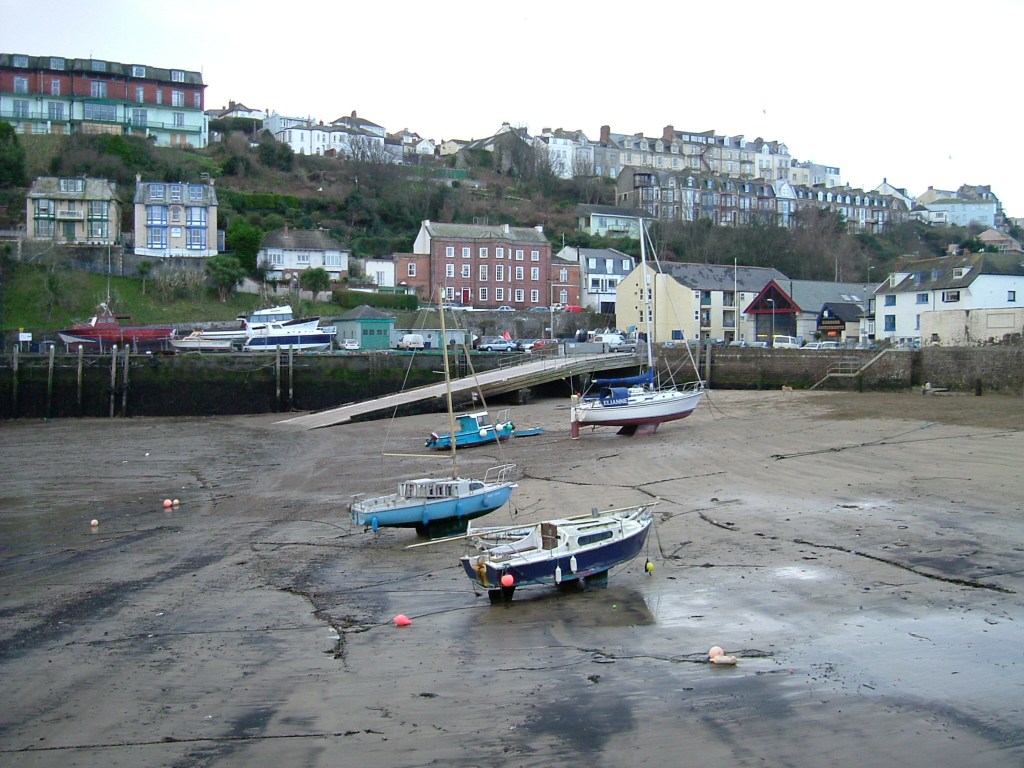
We found England’s surfing West Coast wasn’t so bad. Sandy beaches in places and even a surf and surfboards but still too cold for me to swim. Tasted all the local food specialties which are Devonshire teas (scones, clotted cream, strawberries) and Cornish clotted cream, pastries, mussels, crab, fish etc and apple cider plus the local brews of beer ( just about every town has its own local brewery). We returned via Penzance (didn’t see any pirates), Dartmouth, Plymouth (Drake played his bowls here when the Spanish Armada came), slept one night in Beer which is good to drink but not so good to sleep in. It’s near the town of Seaton. Wasn’t that the name of Nan’s house, Dad?
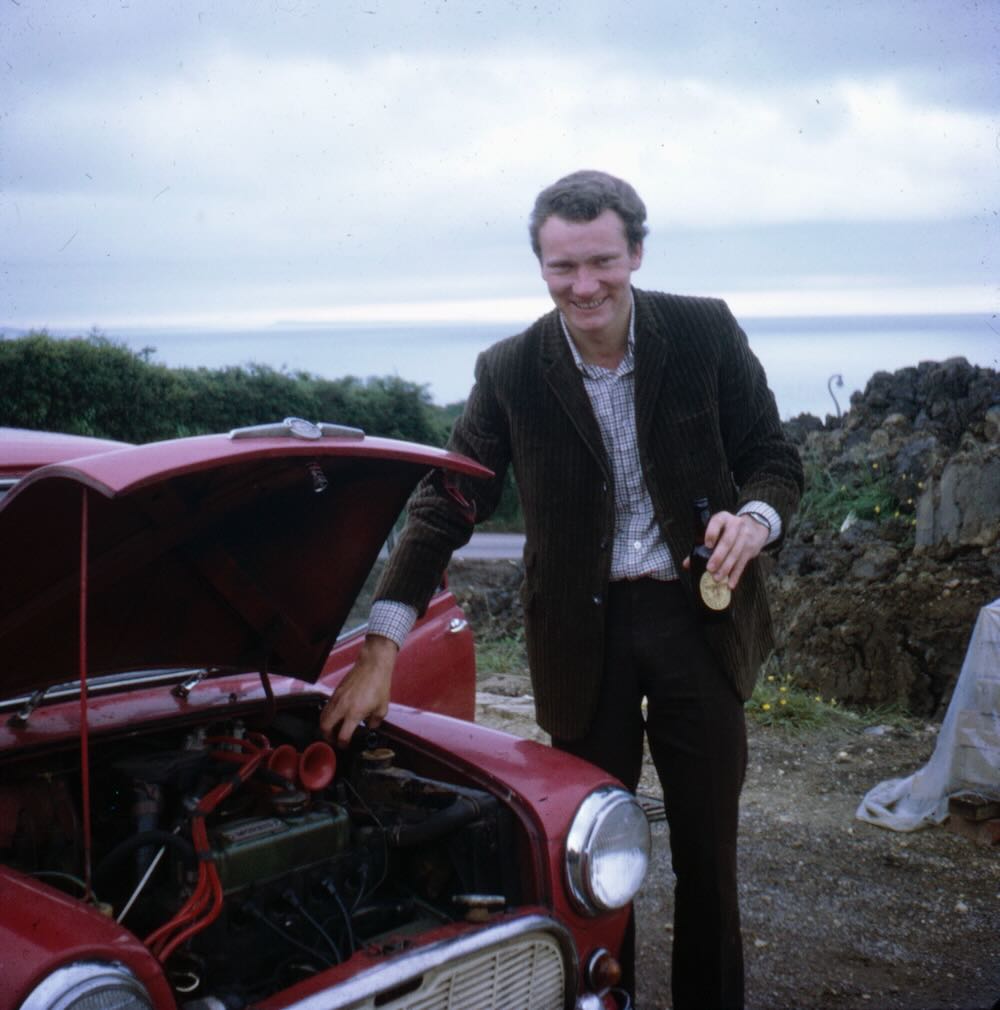
There are some pretty steep hills down Devon and Dorset way and the mini boiled a couple of times but otherwise in 1000 miles went very well. We returned to London via Dorchester and Salisbury where there is a fantastic cathedral built about 1300 and really remarkable architecture inside and outside. Also visited Stonehenge which caveman “ran up” 14,000 years BC as a sort of temple.

The weather improved yesterday and at last are getting some good summer weather so went rowing on the lake in Regents Park and checked out the view from the Post Office tower which at just over 500 feet is still the tallest building in London and has a good view of the city.
Today we were back at school again and only six weeks in this half term anyway and one of the weeks I think I’m off to camp for seven days with the kids down in Surrey or Sussex
I’ve been listening to the First Test most of the day (the noise doesn’t bother the kids so long as I tell them the score now and then). I am quite relieved to know Australia is doing so well because the boss is a fanatical cricket fan and I’d get roasted if we were beaten.
Pleased to hear Andrew behaved himself at the christening. I quite like the name.



 The Curry Apple Orchard