
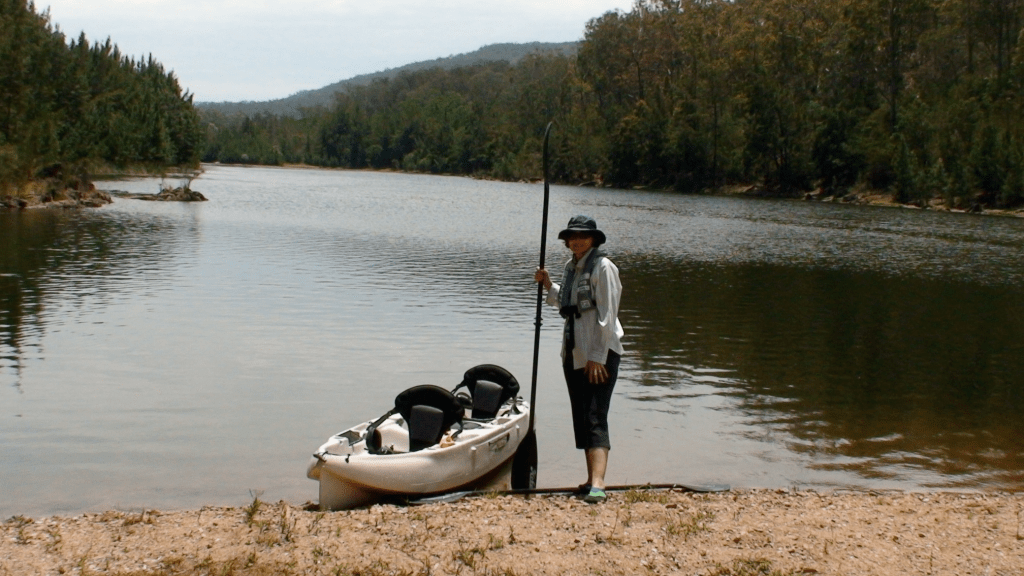
It’s hard to keep us away from boats. Back in 2005 we were impressed by a kayak called a Hobie Outfitter with a Mirage Drive. Instead of paddling with oars the boat was propelled using pedals. We tried a tandem kayak on the water and next thing we knew we were the proud owners of this amazing vessel. Hebe 2, as we called it, travelled on the roof of our car as far as Airlie Beach before powering through the choppy waters of the Whitsundays. We caught fish from it off the Town of 1770 and pedalled up the Maroochydore River. On the South Coast of NSW our favourite kayaking spot was Lake Conjola but we also put it in on the Upper Shoalhaven at Coolendel.
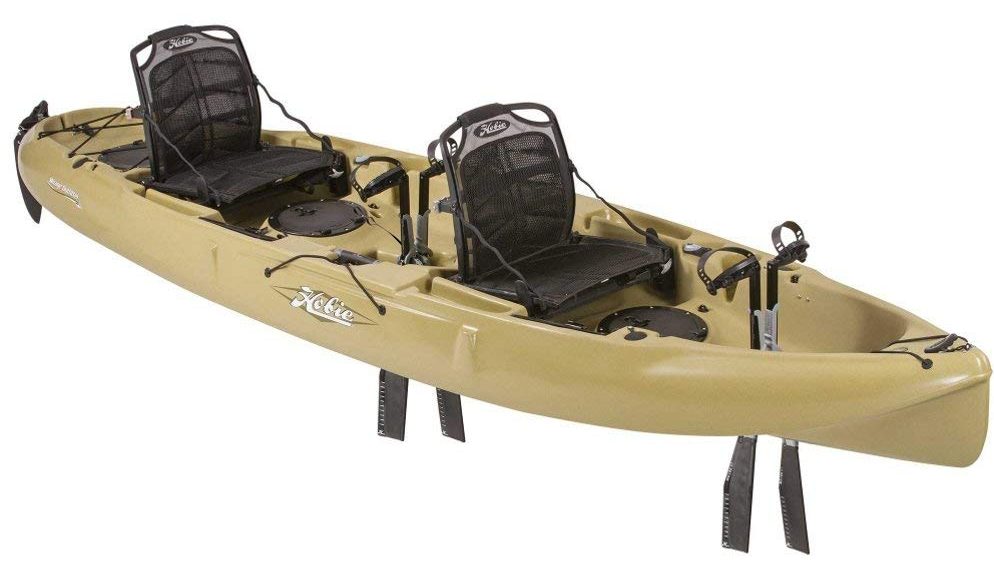
There were a couple of problems. First of all it was quite heavy and lifting it onto the roof of the car required considerable effort from the two of us. One of the pedals was tricky to fit and one of the seats refused to stay in place. After ten years we hadn’t used it for a while so we advertised it and shortly after waved goodbye.
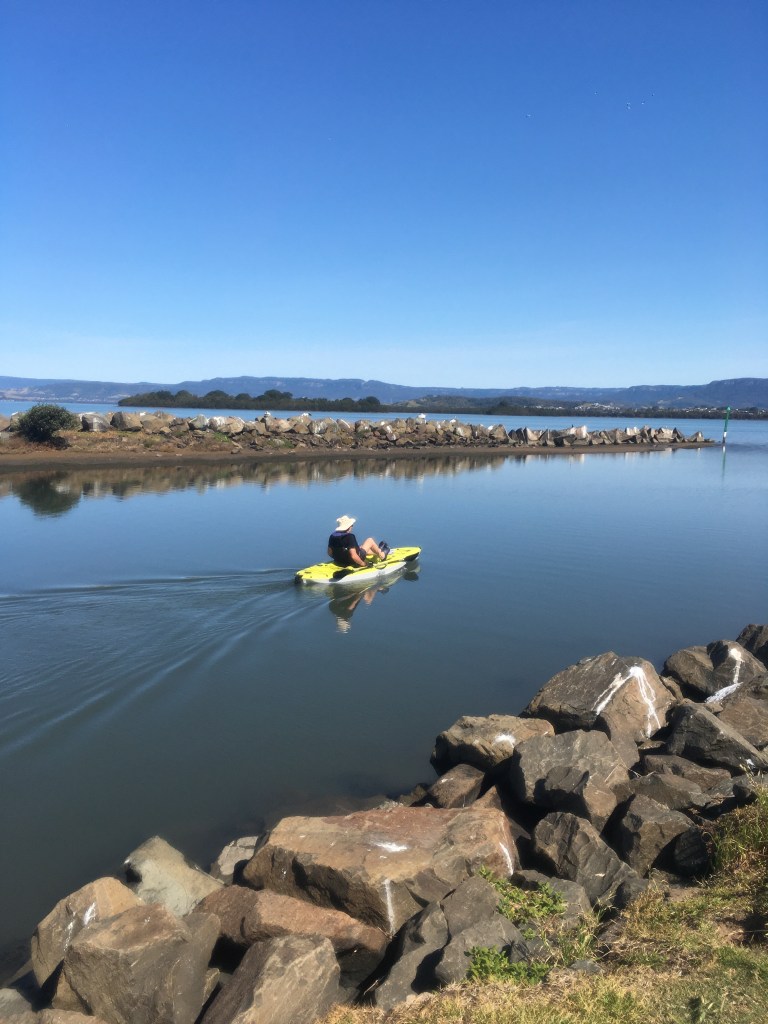
So we were without a boat but it wasn’t until Covid lockdowns limited our lives that we really missed it. I saw a small, single version of a Hobie called a Mirage Passport for sale at the local BCF and snapped it up.
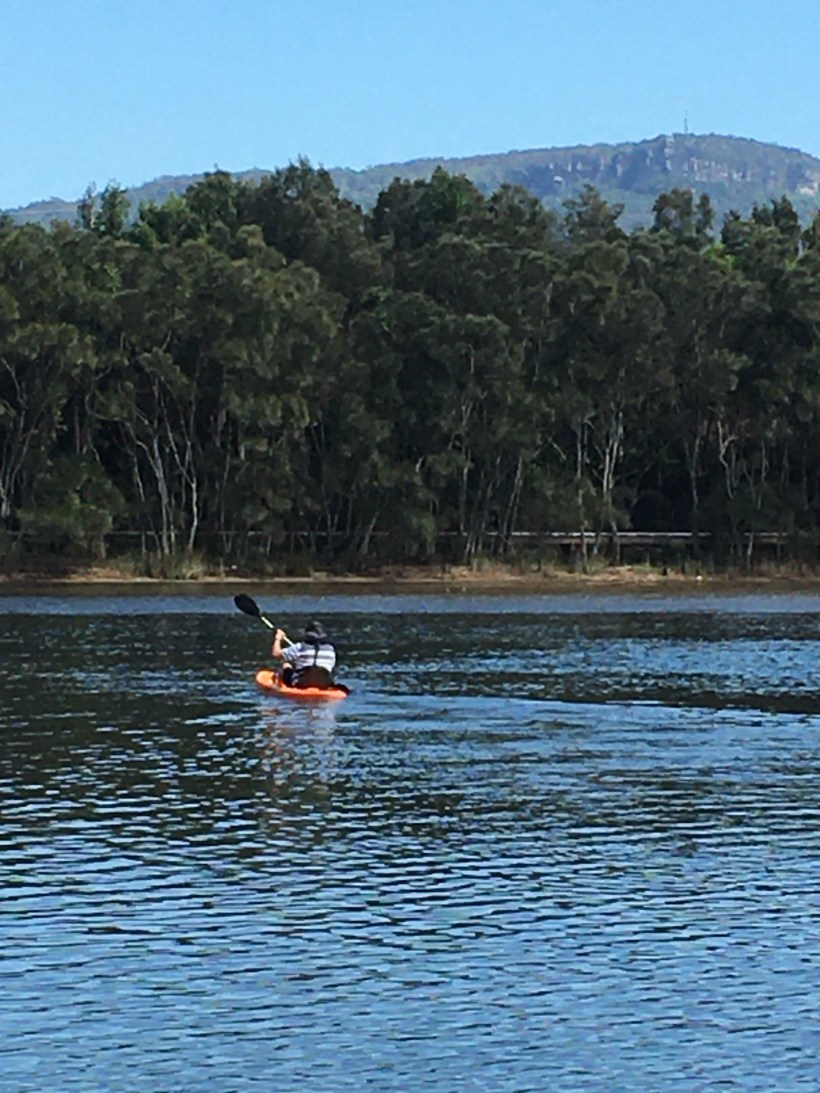
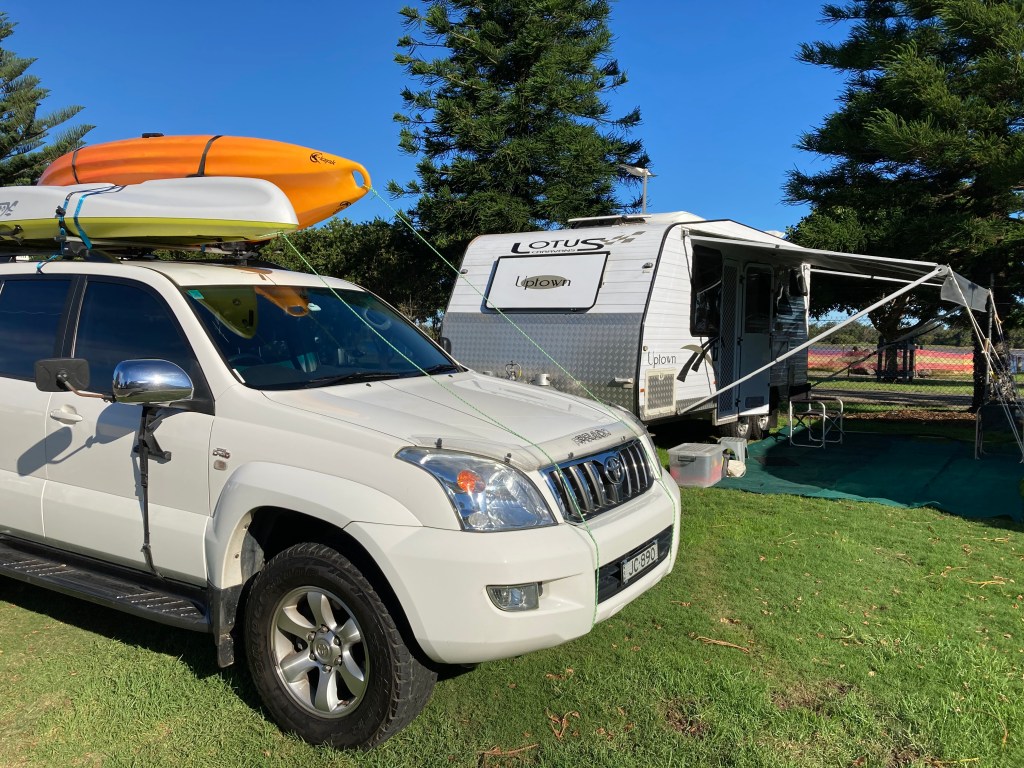
We also bought a regular kayak off our son so one of us paddles and the other one pedals. We had to buy an extra roof rack to hold the second kayak but as they are both lighter than the original Hobie they are easier to transport.
We have only kayaked once overseas and the purpose of the exercise was not so much to experience a paddle on the water, but to get to a particular place. John has always been a fan of Captain James Cook, visiting his school near Great Ayton, the town where he first worked (Staithes) and Whitby, where he was apprenticed to a ship owner. We knew when going ashore from the Pride of America in Kailua Kona on the island of Hawaii (Big Island), that we would be close to the place of his death so we thought it would be a perfect opportunity to visit the site.
Once on the jetty we asked the woman at the Information booth how to go about seeing the Captain Cook Memorial. She said there was no easy way to get there except by boat. Road access is a poor option as it involves a long, hot and difficult walk at the end. There were boat tours but they were expensive and designed for snorkelling, not to see the memorial. She suggested we go with a private tour and pointed to a man in a blue shirt called Ken. Shortly after his wife Marylou arrived and between them they said we could do a tour and go on a kayak ride to the memorial. They just needed two more people.
We tried to convince a few people but most of them said they were not interested in kayaking. Finally a young couple from Florida, Chris and Tammy, agreed to go. They weren’t sure if they wanted to kayak but Marylou said they could go on to The Place of Refuge National Park while we were paddling. First stop was the Kona Joe Coffee Plantation. The coffee is grown on trellises and the setting was wonderful up in the hills. We could see our ship in the far distance. We drank coffee samples and tried chocolate coated coffee beans. The two went very well together.
The kayaks, owned by a woman called Regina, were rather old and faded. So were the lifejackets. We had the seats changed for some more comfortable ones that actually had a seat in them, put on our swimmers in the change sheds, and soon were on the water of Kealakekua Bay. We both laughed at the bung in the bow made of a piece of rolled up paper. We were told it would take 45 minutes to reach the memorial so we paddled hard, knowing that the other couple might be waiting for us. They hired a kayak too but went to an area not far from where we launched to watch the spinning dolphins.
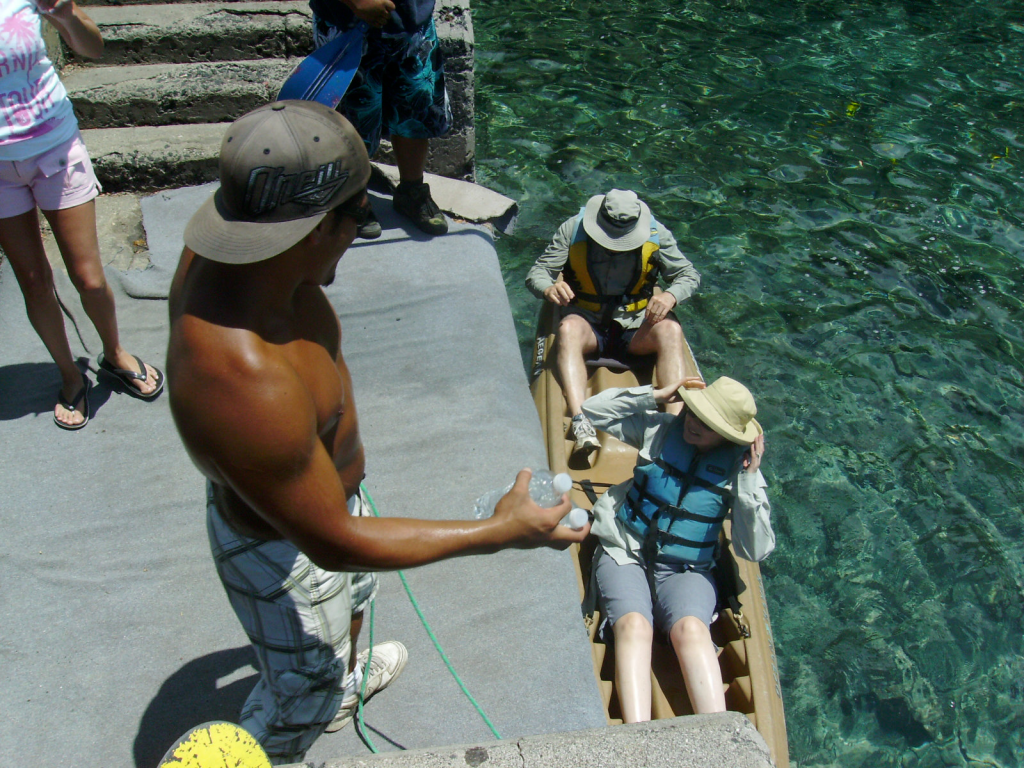
The paddle went well and we arrived in a rocky area surrounded by a number of other much newer kayaks belonging to a snorkelling group. We asked a few people how to get to the memorial but most didn’t know it was there. We had to climb through some bushes before we found the path and from then on it was straight forward. The memorial was erected 100 years after Cook’s demise, by the British. I stood there and tried to imagine what took place, two hundred and thirty-two years before.
It was an unfortunate series of events that led to a very grisly end for the famous navigator. Many local inhabitants rue the day Cook set foot in Hawaii as their way of life was changed forever, which is maybe why his memorial is so isolated.
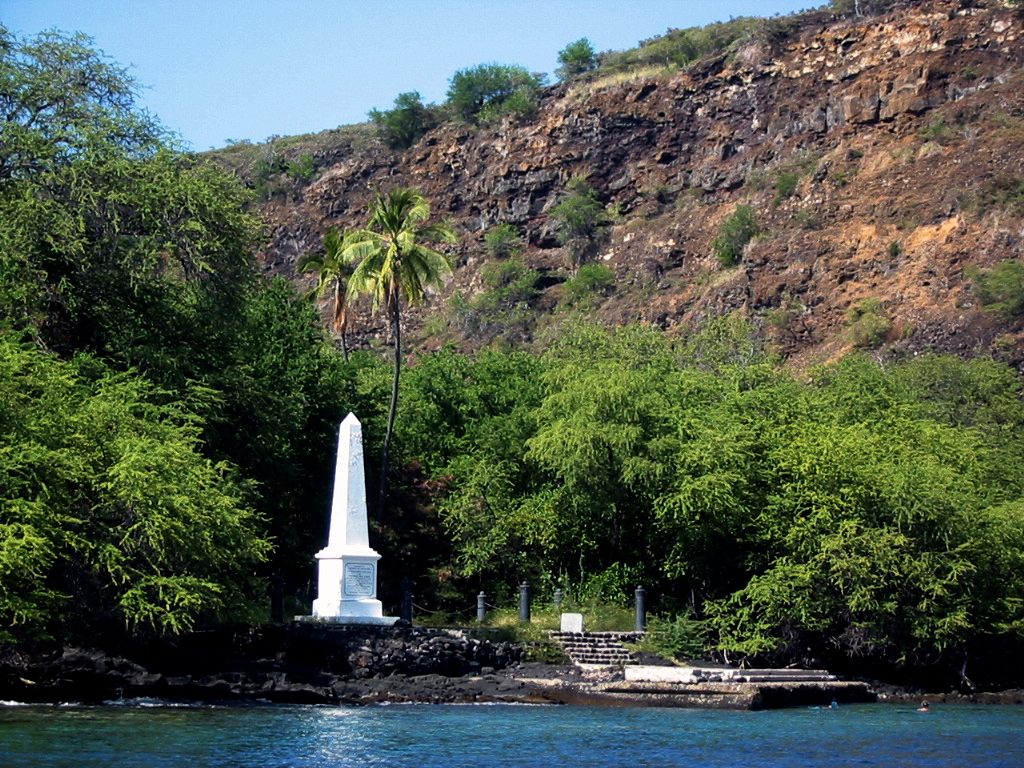
There are various versions of what happened but the following account is generally accepted. When the two ships of Cook’s expedition returned to Kealakekua Bay after a mishap at sea, they were not greeted with enthusiasm as they had worn out their welcome on their first visit. For whatever reason, one of the longboats was stolen from the Resolution. To try and get it back Cook attempted to kidnap the ali’l nui (supreme ruler) of the island. One of the chiefs angrily approached Cook, who reacted by striking him with the broad flat side of his sword. The chief grabbed him and hit him with a shark-toothed club. Cook fell to the sand and was stabbed in the chest with a metal dagger by the personal attendant of the ali’l nui.
The water was clear and clean in 2010, and there was time for a short swim in amongst the yellow fish before we started paddling back. The others had been amongst the dolphins and watched us return so they too paddled back to the launching spot.
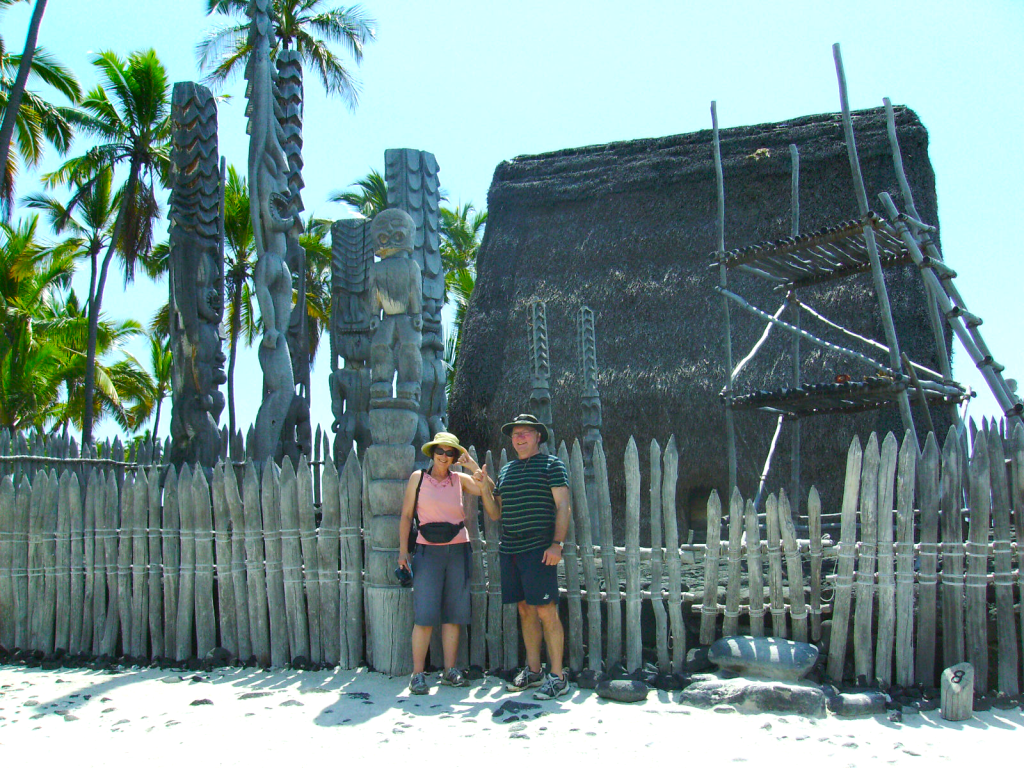
We thought our tour was over but more was to come. We were driven to The Place of Refuge, a National Park called Pu’uhonua o Konaunau. This is where the ali’i established a residence and also where people could seek refuge or absolution. It was a lovely setting right on the sea with clean blue water, sand and black lava. Massive dry stone walls had been built across the area, separating the royal grounds from the Place of Refuge.
We had started the day with only a vague idea of what we wanted to do but we ended up doing so much more.
 The Curry Apple Orchard