H for Here’s Health to Your Enemy’s Enemies (Irish saying)

#AtoZChallenge 2021 April Blogging from A to Z Challenge letter H

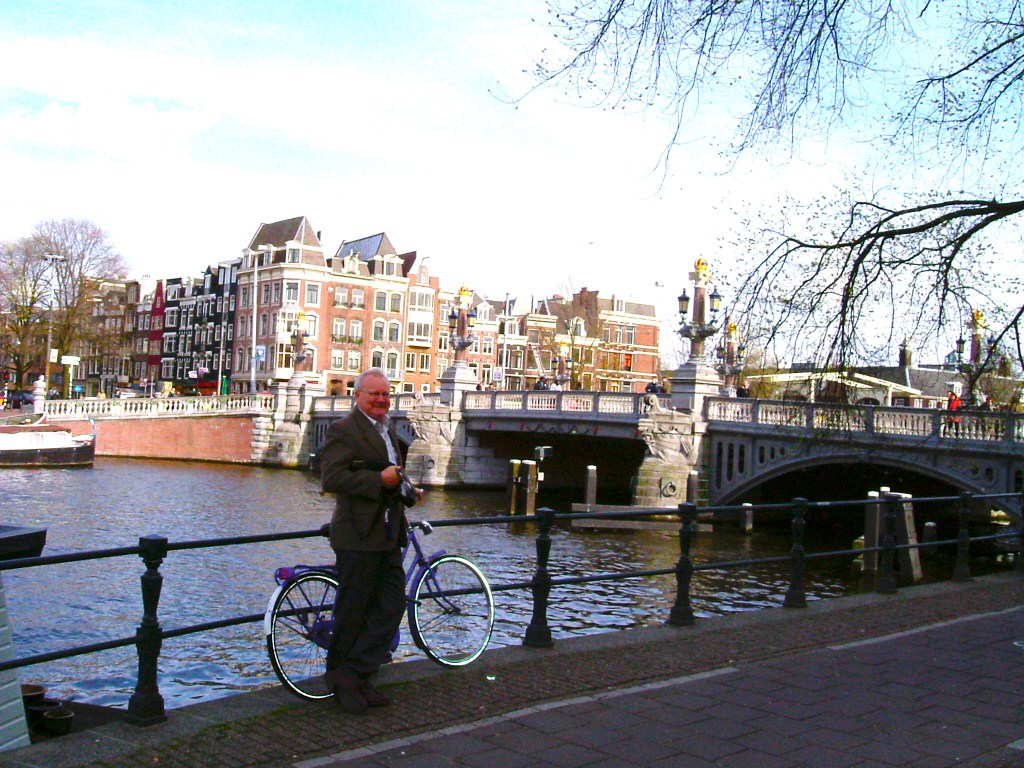
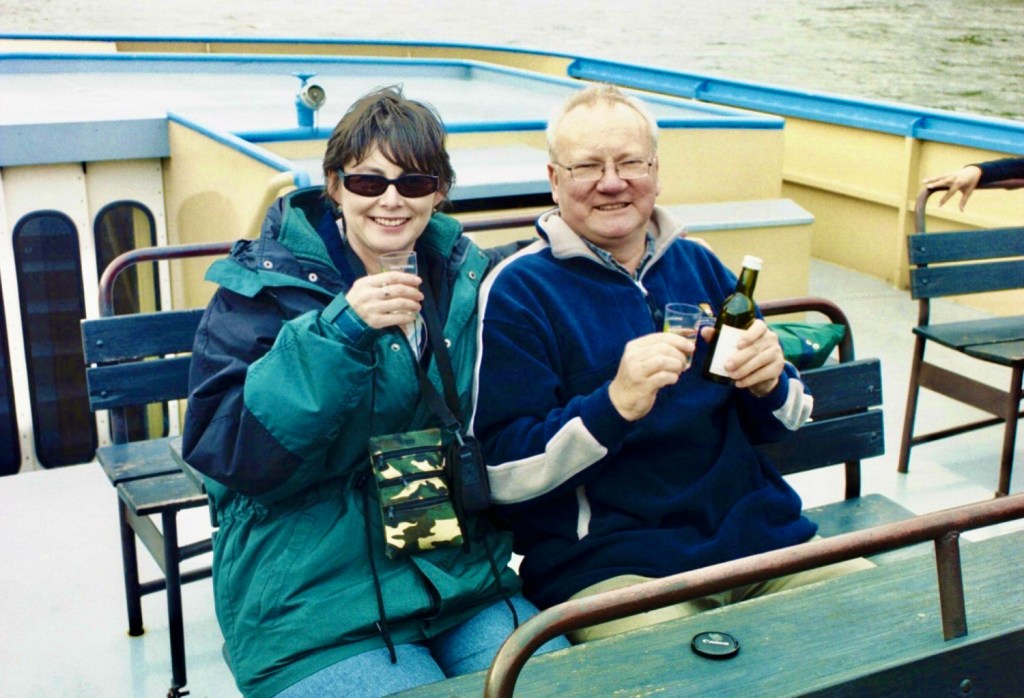
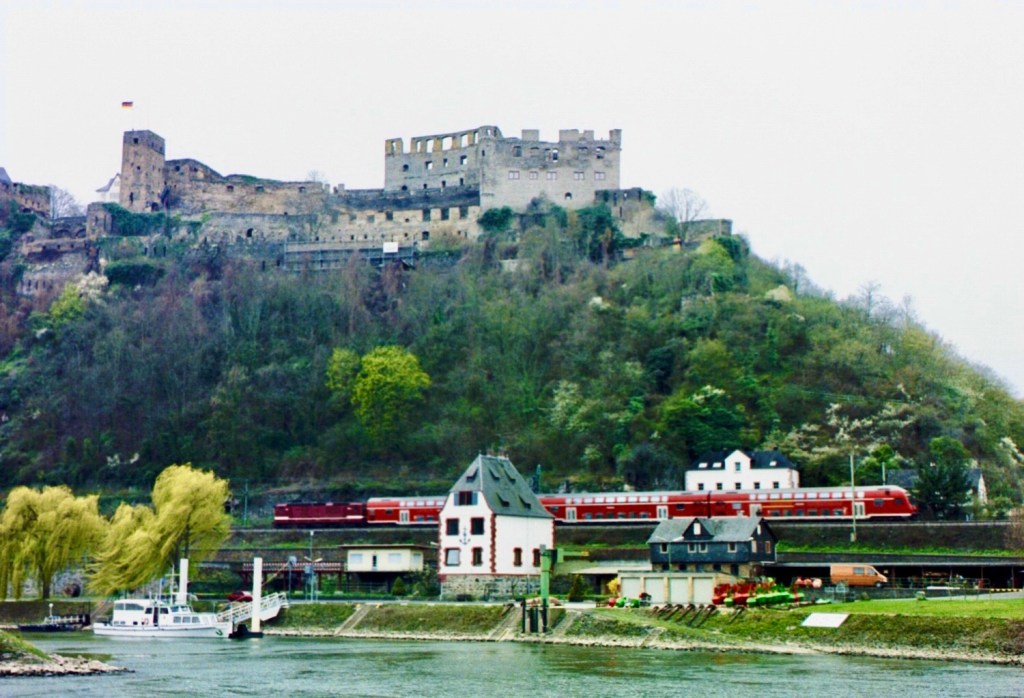
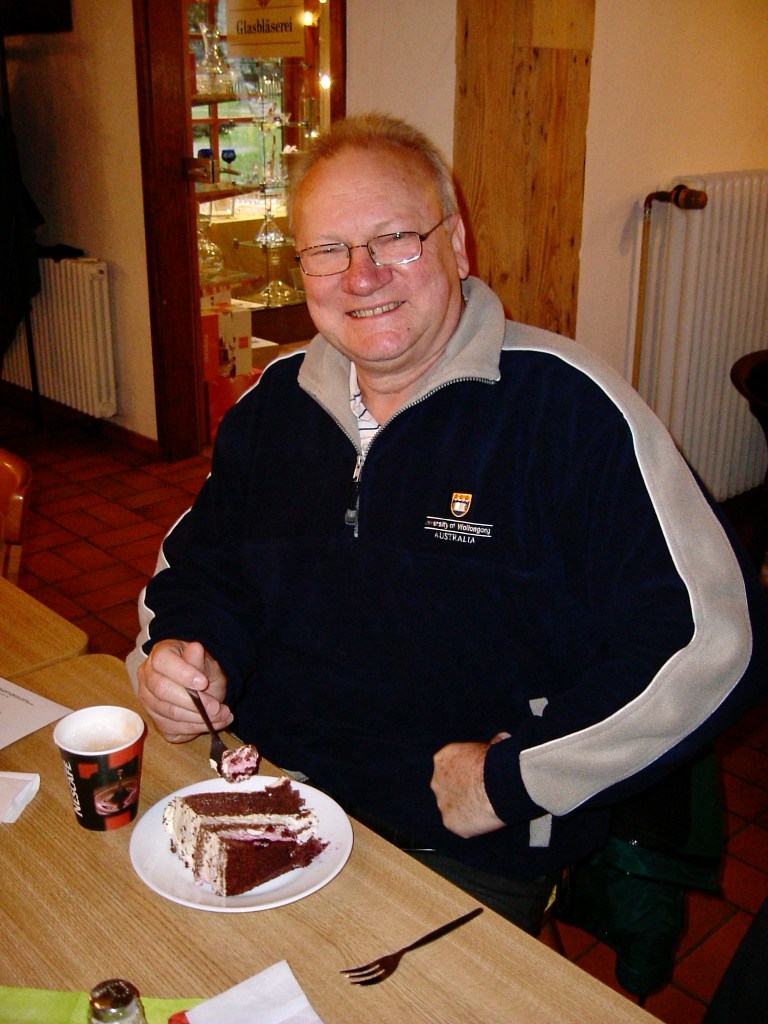
I was told one of the perks of being an exchange teacher is that sometimes events would occur in term time allowing me to be released from the schol. Unfortunately, this only happened once.  On the 27th March we left Chasetown at 5.00am in our Ford Focus looking for the prebooked carpark near Birmingham Airport.  After a short bus ride we were on the plane at 8.00 am and landing in Belfast at 9.00 am. I entered the Malone Lodge Hotel to meet the others while John continued to the Travelodge with our bags.

The morning consisted of presentations including: “The Northern Ireland Education System” and a panel discussion on educational issues.  John appeared as we left on foot for Queen’s University.  Lunch was supplied at the Great Hall, followed by a political overview presented by Fionnuala O’Connor, an economist correspondent for Northern Ireland who is also a Catholic married to a Protestant, giving her a broad view of the situation.

Dan McCall, a school inspector, gave a slide presentation on “Divided Loyalties, Differing Perspectives on Northern Ireland’s History and Culture, Murals, Flags and Banners”.  I was hoping to see some of the murals in the ensuing days.

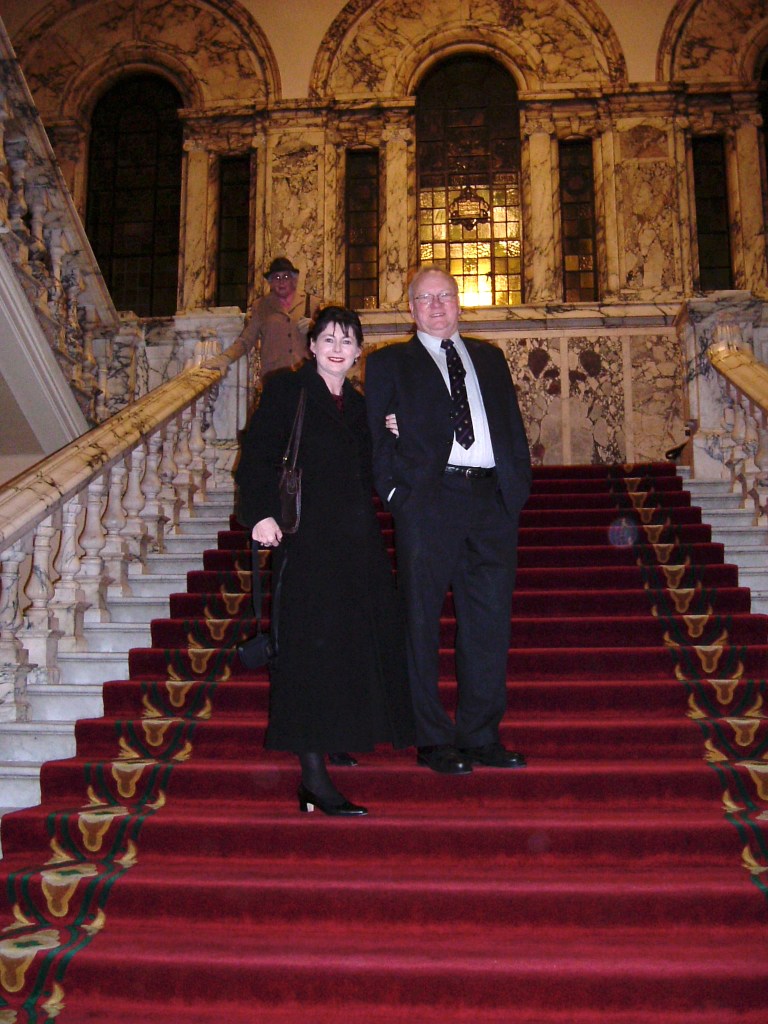
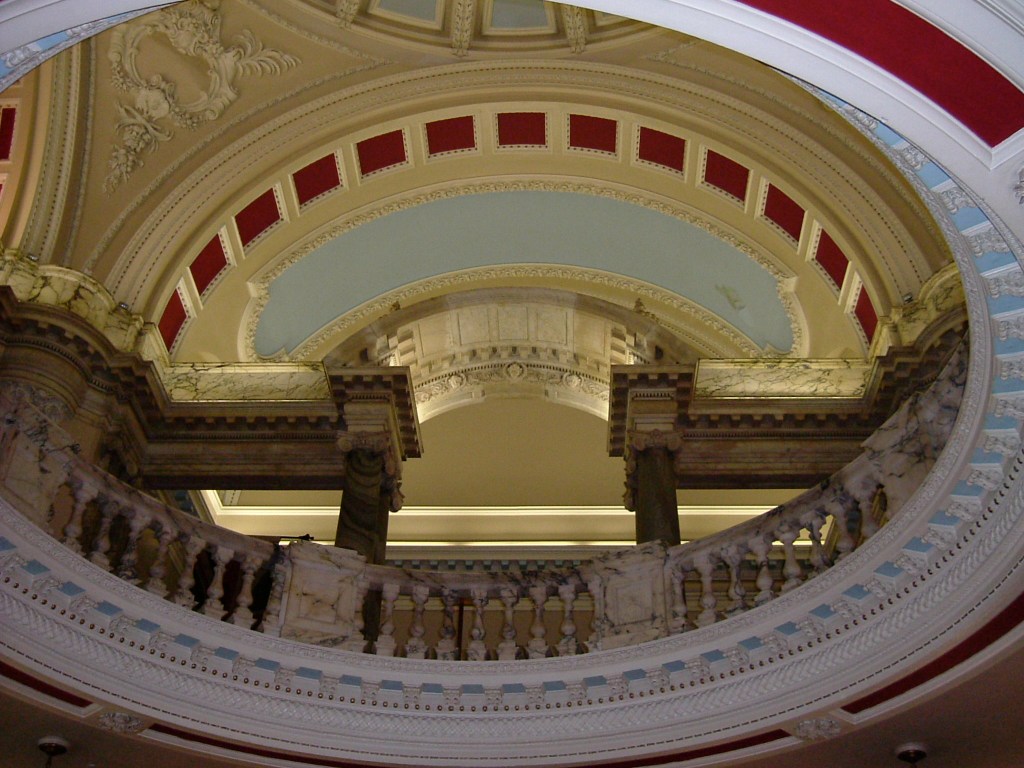
Our hotel was only twenty minutes walk from the Belfast City Hall where we had drinks, a buffet, a speech from the Sheriff and a welcome from the Deputy Lord Mayor (the Lord Mayor was busy).  The building is “an ornate quadrilateral of Portland stone”, built to the same plans as the Cape Town City Hall.  The interior inspired the domes and staircases of The Titanic.

That is where John was off to the next day, to find where the Titanic was built.  Of course that was before the large museum was constructed in its honour but he found enough to keep himself amused at the shipyards.

Meanwhile I was off to Omagh.  At 7.30 I arrived at the Malone Lodge Hotel and seeing a mini bus already there I asked the driver, “Is this the bus for Omagh?”

When he said, “No, it’s the bus for Omagh,” I realised we had a language problem.

Omagh of course is known for the car bombing in 1998 carried out by a group called the Real IRA, an IRA splinter group who opposed the IRA’s ceasefire and Good Friday Agreement.  The bomb killed 29 people and injured 220 others.  The victims included both Protestants and Catholics, six teenagers, six children, a woman pregnant with twins, two Spanish tourists and others on a day trip from the Republic of Ireland. As a result of the bombing new anti-terrorism laws were swiftly brought into being in both the United Kingdom and Ireland.

With all of this in mind six years after the event we arrived at the Omagh Library where our guide Lynda was not waiting for us as expected.  Several people went off for a walk so that when she arrived they were missing.  Then a photographer turned up but one teacher had already been taken off to her school for the day.  After two professional photos were taken people starting lining up for a quick snap on their own cameras.  By the time all that happened and we were back in the mini bus a considerable amount of time had passed.  Before I arrived at my school we dropped people off at Greencastle, Laughmacrory and Carrickmore so that it was 10.45 when I finally arrived at St Columbkille’s Primary School.  All I had eaten that day was an apple given to me by a kind soul on the bus so I was delighted with my cup of tea and scone.  However I had to swallow it fast because Finola informed me I would be visiting her Year 3/4 immediately.  After that I went to Anne’s Year 4 and Emmett’s 5/6.  The children were well behaved and asked interesting questions like:

“Have you swum with Nemo?”

“Do people pray at Ayer’s Rock?”

‘Is winter cold in Australia?”

as well as the usual questions about snakes, spiders and crocodiles.

I showed them my toy stuffed platypus and talked about its amazing reproductive cycle.

They proudly showed me their paintings of sheep with little black legs.

An elderly priest was introduced to me by the principal as I was escorted along the corridor.  Apparently he had worked in Sydney, Australia in the 1970s.

“Aaah!  The terrible thing about Australia is all the orphans that were made by that Prime Minister of yours.”

I must have looked mystified because he continued.

“That Gough Whitlam!  He introduced divorce without cause and that resulted in thousands of orphan children losing their fathers.”

The principal, looked embarrassed and muttered an apology as we moved on.  He asked if I wanted a school lunch or to eat out.  I didn’t have to think long about that and soon we were in a cosy pub facing plates of fish and chips with mashed and baked potatoes for good measure.  When I failed to eat all my potato Peter sternly warned me that the Irish were very attached to their pratas and did I know there were ninety words in the Irish language to describe potatoes?

We also discussed the pros and cons of integrated schools, grammar schools etc and also the Irish language class at the school which I was very much looking forward to visiting after lunch.

The parents of the children support the learning of their traditional language to the extent that in this one class in the school all lessons are conducted in Irish Gaelic and no English is spoken.  It was a positive way to prevent the loss of language after centuries of attempts to eliminate it.  I was reminded of a similar situation with loss of Aboriginal languages in Australia.

On our way back to Belfast we passed Maze Prison where we were told 13 men had died in a hunger strike in 1981.

When I checked up on it later I found that ten had died but many others had lifelong physical effects from their enforced starvation.  I had to find out what it was all about and discovered it started in 1976 when the British parliament changed the paramilitary prisoners’ status from Prisoner of War to Criminal.

The second hunger strike was a showdown between the prisoners and Prime Minister Margaret Thatcher.  One hunger striker, Bobby Sands, was elected as a member of parliament during the strike which was only called off after ten men including Sands, had starved themselves to death.  The strike radicalised Irish nationalist politics and enabled Sinn Fein to become a mainstream political party.

Much less stressful was our trip to the Giant’s Causeway the following day.  As our bus rolled on the sky brightened and the sun came out spasmodically.  We drove along a scenic coastline with cliffs rising up from the roadside reminding me of Lawrence Hargrave Drive north of Wollongong, now so far away.

Our first stop was Camlough or maybe Cushendall.  Anyway it had a little boat harbour and a good view of sand and pebble beaches along the coast.  We stopped to view the Carrik-a-Rede rope bridge but didn’t have time to cross it.

Stuart Yeates from Oxford, UK, CC BY-SA 2.0, via Wikimedia Commons

*Giant’s Causeway, Co. Antrim, Northern Ireland. Taken on May 28, 2005. *Author: [http://www.flickr.com/photos/alphageek/ code poet] on flickr. *Source: http://www.flickr.com/photos/alphageek/20005235/ {{Cc-by-sa-2.0}} Category:Giant’s Causeway[[Cate
Soup and sandwiches filled our empty stomachs at the Causeway Hotel, after which we walked to a lookout and then up some steep steps to the top (about two miles).  The scenery was spectacular, the weather was fine and it was almost warm.  What more could you ask for?

Giant Killers and Grisly Stories

#AtoZChallenge 2021 April Blogging from A to Z Challenge letter G
Ilfracombe

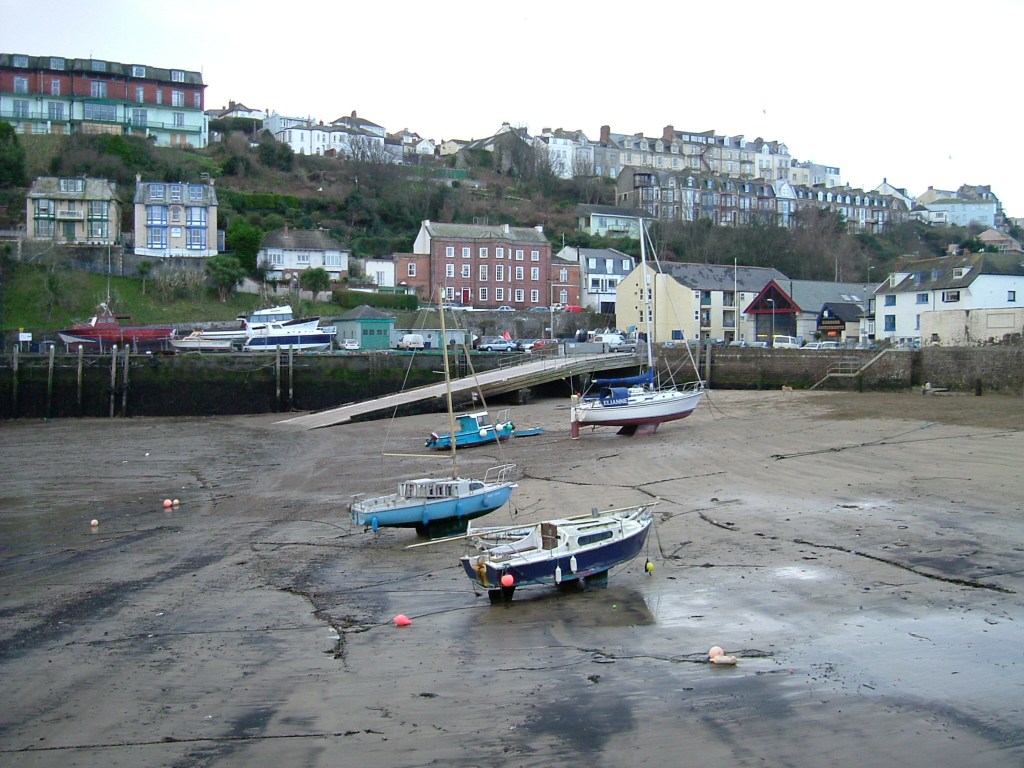
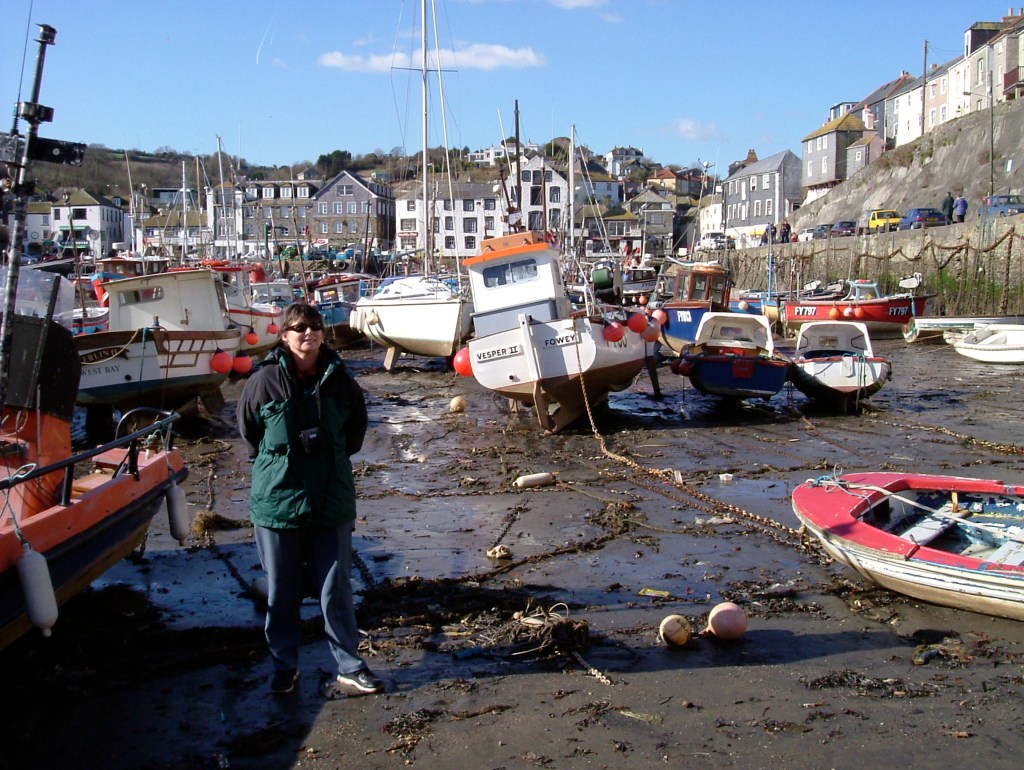
Our proposed destination was Penzance, but we diverted to the hilly town of Ilfracombe.  What astonished me was how developed this town was.  There were rows and rows of terrace houses all the way up the sides of the hills.  The harbour is very tidal so when we arrived all the boats were sitting on the bottom.  You could see how much the water would rise, about 4.5 metres, so it would look quite different at high tide.

The next diversion was Boscastle, famous for its television show about a female Methodist minister who produced a discrete male ‘nude’ calendar.  The lower town is an old fishing village set in a rocky inlet.  Later that year it again made the news as an enormous flood washed away much of the village. Unaware of its impending doom we explored the village with its shops displaying witchcraft and the occult and suffered in the freezing wind as the sun disappeared behind the clouds.

A little further along the road is Tintagel, where a ruined castle, reputedly the birthplace of King Arthur, stands on a promontory.  It can’t be seen from the town, which was crowded with visitors and road works in narrow winding streets so we kept going.

It was then that we found a rare sight in the English countryside.  It was a layby with tables and chairs.  The sun was shining as we cooked toast and soup on the new gas burner.  We must have been quite a sight for the passing motorists as we did not once see anyone else picnicking by the side of the road.

After settling into our hotel in Penzance we ate at The Union which had a Nelson Bar and a Hamilton Restaurant.  The meals of fish pie and salmon with prawns were tasty. After dinner we came across another inn, The Admiral Benbow.  I wondered if it had a connection to Treasure Island but discovered that this Admiral Benbow was fighting the French, his ship was wrecked and he was washed up on the Scilly Isles.  The woman who found him smothered him in the sand in order to get the rings off his fingers.  Because they didn’t come off easily she bit off his fingers.  I wonder if karma ever caught up with her.

Land’s End!  I had to pinch myself as we drove towards this famous landmark.  As we pulled up outside what looked like a run down amusement park we paid our £2 for parking and saw that the park was closed.  We were too early but we enjoyed the outstanding views of the coastline under a brilliant blue sky and took photos of each other standing next to a signpost denoting the spot.  When a photographer arrived he was rather cross we had used his special photo stand. 

As far south as we can go

I was reciting “As I was going to St Ives, I met a man with seven wives” because we were following a winding road to that very place.  The beach is yellow and sandy, reminding me of home, although it is never that cold in Wollongong.  We set up the gas stove on a rock wall overlooking the sea and cooked our soup and toast. Like Ilfracombe the houses climb up the hillside and the streets are narrow and crowded.  Even in February parking in the town was impossible.  I kept thinking, what is it like in summer?

Soup and toast for lunch in St Ives

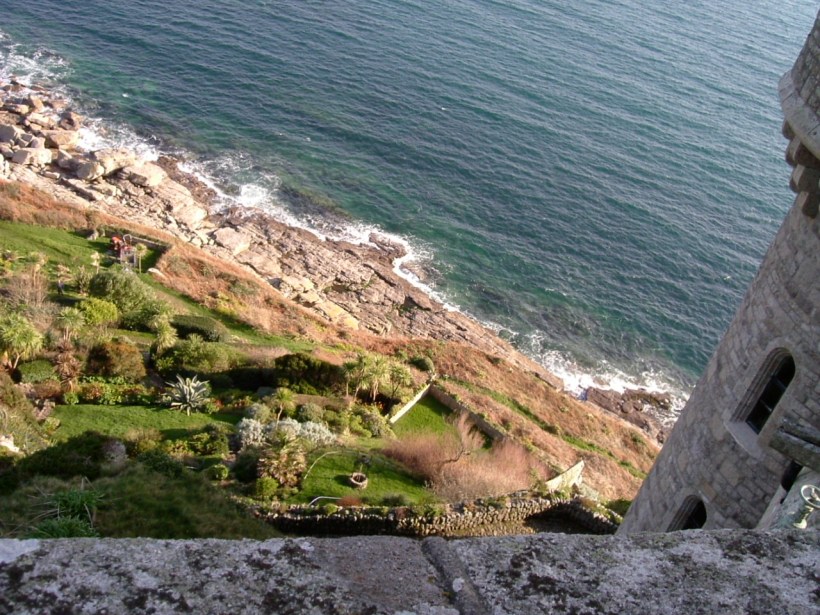
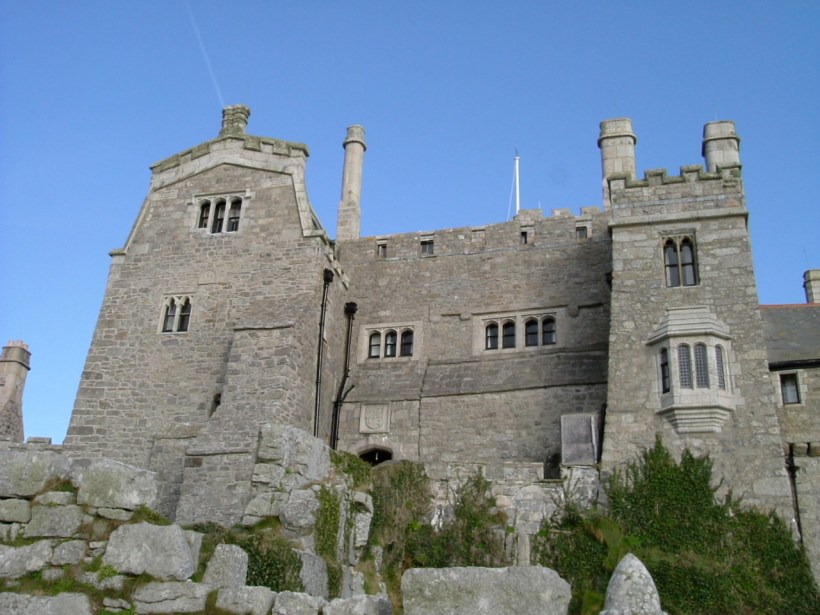
On our way back to Penzance we spotted St Michaels Mount.  After some deliberation we jumped on board the launch (£1 a head) and headed across the bay to a castle on an island. The water level varies by 4.5 metres between low and high tide and there is a causeway for use at low tide.  As we were National Trust members we had free entry into the castle, part of which is lived in by the St Aubyn family who have owned it since 1650.  It was incredibly livable – we both felt we could move in tomorrow.

Going back to 495 AD there are tales of seafarers lured onto the rocks of the island.  The lucky ones saw the archangel St Michael warning them of certain peril and were saved.  Legend has it that Jack the Giant Killer lived in the nearby village of Marazion and lured the giant, who lived on the island, to his death.

By the time of the Norman Conquest in 1066, St Michael’s Mount was owned by the monks of its sister isle, Mont St Michel in Normandy.  Since then the Mount has seen many owners.  The Royalists held back the forces of Oliver Cromwell from its walls, its cannons drove a Napoleonic ship ashore on Marazion Beach, its church tower beacon warned England of the approach of the Spanish Armada.  It was hard to leave but it was our last night in Penzance and we ate pizza in our room with a bottle of wine.

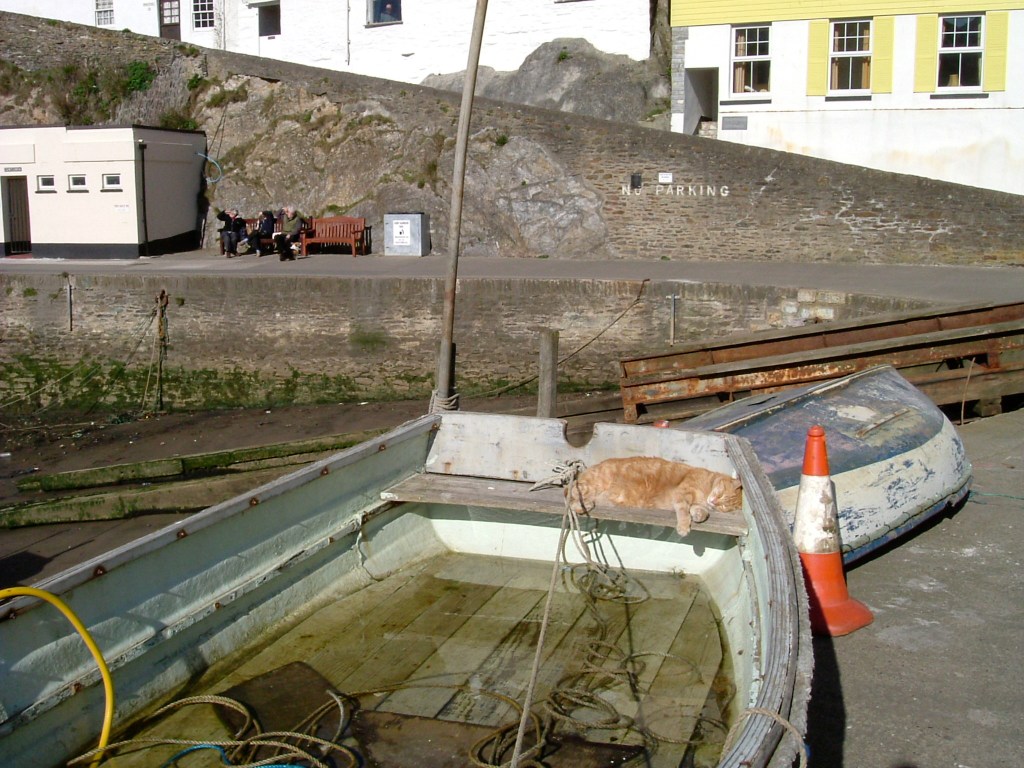
The next day saw us in Megavissey, a working fishing villages with narrow twisting streets and shops selling local ceramics, paintings, witchcraft and food. Although the wind was cold we found a sheltered rock near the harbour and followed the example of a cat sleeping in a waterlogged boat.  It was on a ledge in the sun just above water level and was soaking up the warmth.

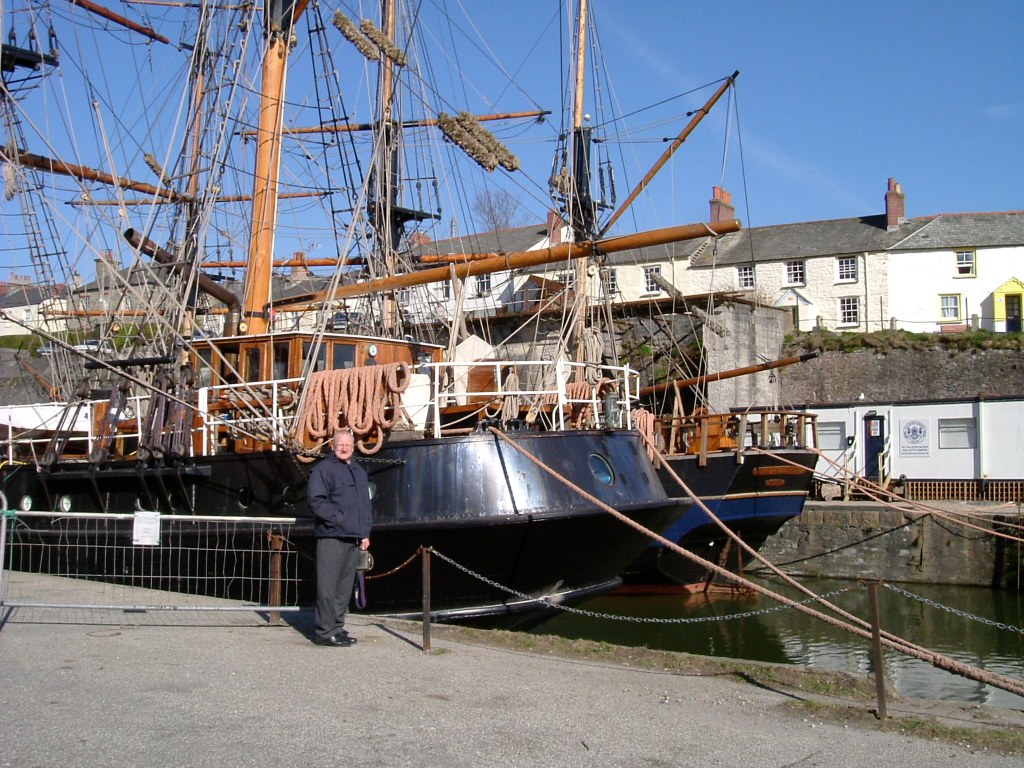
Charlestown was different to other fishing villages in that it had a harbour constructed with dock gates so that when the tide goes out the ships still remain afloat.  It has been the setting for numerous films and TV shows and when we were there three tall ships graced the harbour.

Charlestown where the ships will not run aground

Our lunch of sandwiches was eaten alongside a rushing stream next to a medieval castle with towers and bridges all painted white.  The fact that it was a homewares shopping complex detracted from the ambience but we decided against the more romantic town of Polperro in favour of getting to Plymouth before nightfall.

The holiday was coming to an end as we continued to Torquay, of Fawlty Towers fame.  We gazed at the fine harbour of water unaffected by the tide as we braced against the bitterly cold wind. Of course, we asked at Tourist Information about the hotel and were told that when John Clease filmed some Monty Python footage in the area he stayed at Gleneagles Hotel in Torquay.  The proprietor was so rude he based the television series on him and his hotel.  The actual hotel used in the TV show was in Buckinghamshire and burnt down in 1991.  Gleneagles Hotel has also made way for a modern development although it still existed in 2004.  It looked nothing like the hotel of the TV series, which in 2019, was named the ‘greatest ever British TV sitcom’ by a panel of comedy experts compiled by the Radio Times.

And then it was back to Staffordshire via some interesting towns named Curry Rivel, Curry Mallet and North Curry in Somerset.  John was hoping they would give some clue to the meaning of his name. Apparently Curry is derived from a Celtic word Crwy meaning boundary or then again it could derive from the name of St Cyrig, who crossed the Bristol Channel and established a small reed and wattle church in the area.

Meanwhile I had to think about returning to school but it wasn’t long before we were off on another adventure.

F for Freedom on the Road

#AtoZChallenge 2021 April Blogging from A to Z Challenge letter F

Nothing can describe the feeling of euphoria as we set off in the Ford Focus on the first day of the half term holiday.  After surviving the throat infection, the reports and the parent interviews we had a whole week of freedom to explore Bath and the coast of Devon and Cornwall.  It was cold, cloudy and damp when we left and John was muttering about the English weather but as we arrived in Bath and found a car park, the weather was forgotten.  

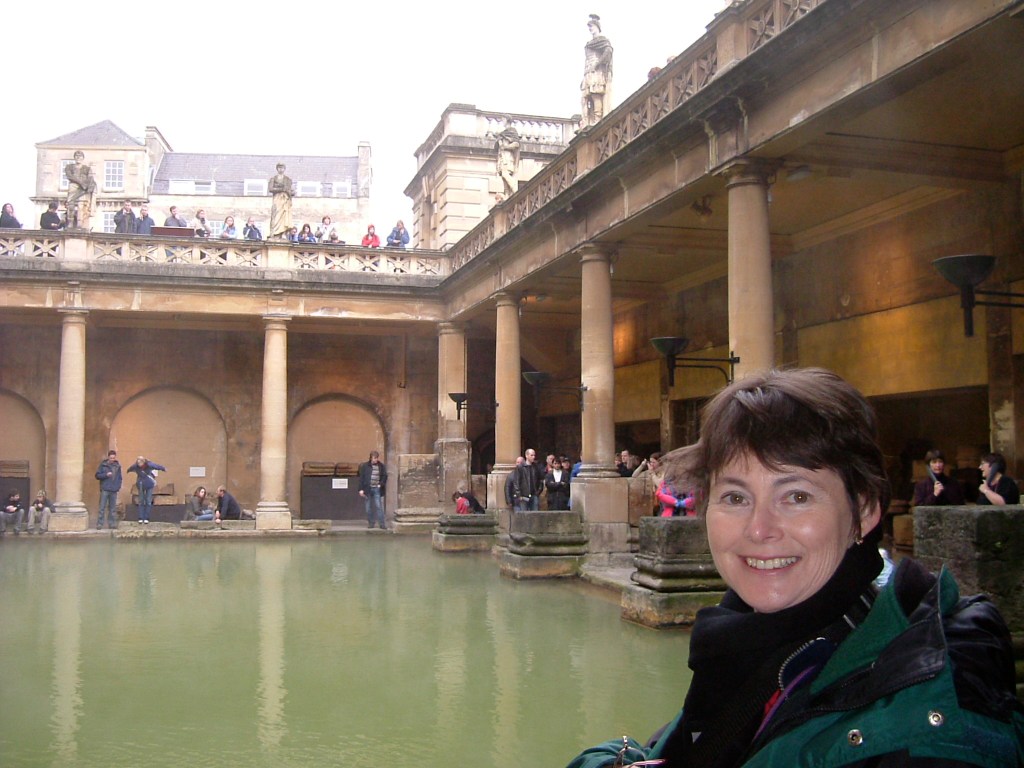
The tourist bureau provided us with a list of what to do and see and of course the Roman Baths were first on the list.  At £9 a head we thought it was expensive but we were given a personal audio guide to accompany us on our tour. Aquae Sulis, as Bath was known by the Romans, flourished between the 1st and the 5th centuries AD.  The baths were rediscovered  in 1878 and pseudo Roman columns and observatories were added to “enhance” the ruins. In recent times many Roman artifacts have been excavated and put on display.  I was curious to know where the people of Jane Austen’s time would have bathed and discovered that in the 18th Century the Pump Room was where one could buy warm mineral water by the glass.  Immediately underneath the windows of the Pump Room was the King’s Bath, a giant communal cistern where patients sat in a bath with hot water up to their necks.  Men wore brown linen suits while women wore petticoats and jackets of the same material.

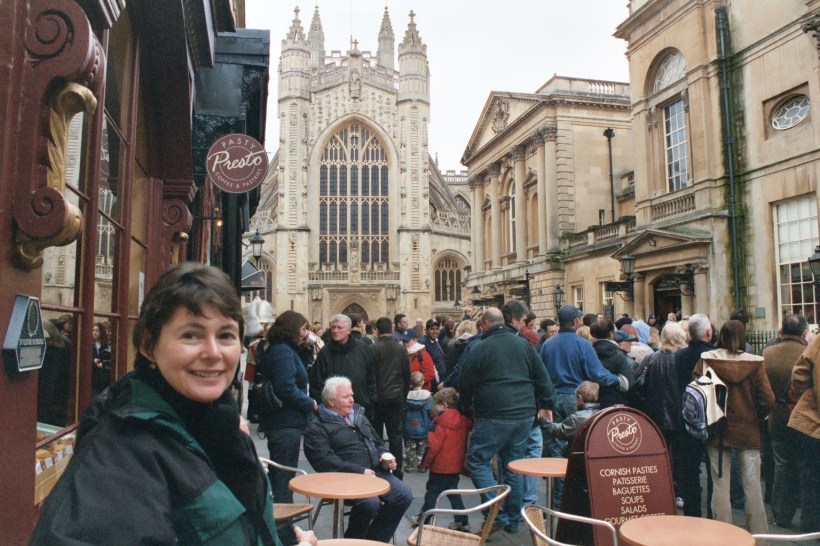
Back to the present and the Roman Baths. Feeling rather claustrophobic we advanced slowly through the reconstruction of the temple and the displays of bronze heads of Sulis Minerva, finally making our escape from the dense crowds. The weather had warmed up a little so it wasn’t unpleasant sitting in the square between Bath Abbey and the Roman Baths, eating our Sainsbury sandwiches.

After crossing the Avon River we recrossed on the Pulteney Bridge which is lined with shops.  A walk to the Circus and the Royal Crescent completed a rushed but satisfying tour of Bath.

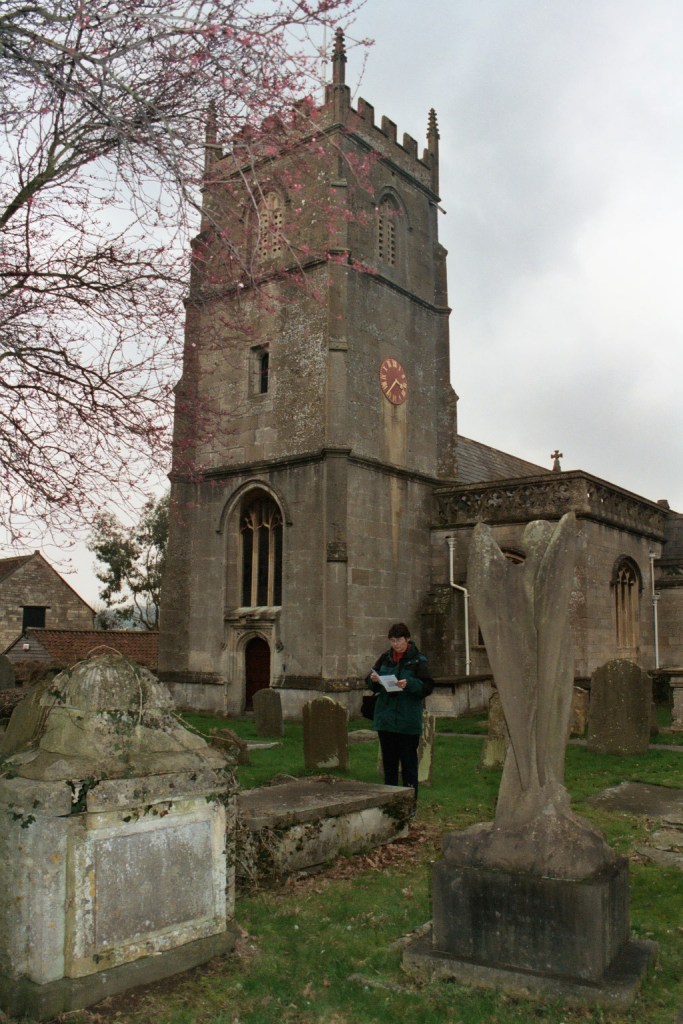
Now we were off to Batheaston where we had booked a room in The Old Mill Hotel.  After our experience at the Youth Hostel in Stratford we decided to go more upmarket although the Lodge, where we were staying, was tiny, with a low roof and basic decor.  Importantly, however, it was warm and the bed was comfortable.  We booked for dinner and then walked across the toll bridge (50p for cars) to the Bathhampton Church where Arthur Phillip is buried.  Phillip, with his second wife, bought a handsome Georgian house in Bath in 1806 but died in 1814 under mysterious circumstances.  It was thought that maybe he committed suicide and that is why he is not buried in Bath Abbey.  Apparently he fell to the street from a top floor window.

Searching for the grave of Arthur Phillip

Arthur Phillip has come under attack in recent years for bringing the first European settlers to Australia (albeit against their will) and thus destroying the Aboriginal way of life which had existed for sixty five thousand years.

I suppose if it wasn’t Phillip it would have been someone else and if you were going to choose a person to govern a motley array of convicts and a tough marine corp you would want a man like him.  He at least tried to understand the local inhabitants but held the popular and misguided view that to be civilised like the British was the only path to happiness.  Unlike many of his contemporaries he saw the settlement as something more than a penal colony and had visions of it becoming a great asset to the British Empire.

At the door of St Nicholas Church, Bathhampton is a sign.  It says:

“Arthur Phillip
Founder of Australia
and First Governor of New South Wales
His grave is inside the church
There is a display of Arthur Phillip’s leadership of the First Fleet and the names of those who sailed to Australia
The Australia Chapel has stained glass windows showing the Crests of the Australian States
You are welcome to our services
The Arthur Phillip Memorial is closed during services”


His gravestone is on the floor immediately inside the inner porch door:

The text reads: Underneath lie the Remains of ARTHUR PHILLIP, Esq. Admiral of the Blue who died 31st August 1814 in his 76th year.  Also of ISABELLA Relic of the above Admiral PHILLIP who died 4th March 1823 in the 71stYear of her Age.

Walking back to The Old Mill we looked forward to dinner overlooking the waterwheel and a new day of adventure ahead.

Our accommodation on the first night of our escape

I took the wheel of the Focus as we approached Devon.  The roads were narrow with stone walls almost to the edge.  Cars sat on my tail willing me to drive faster.  The speed limits changed constantly.  The joy of driving on the A39!

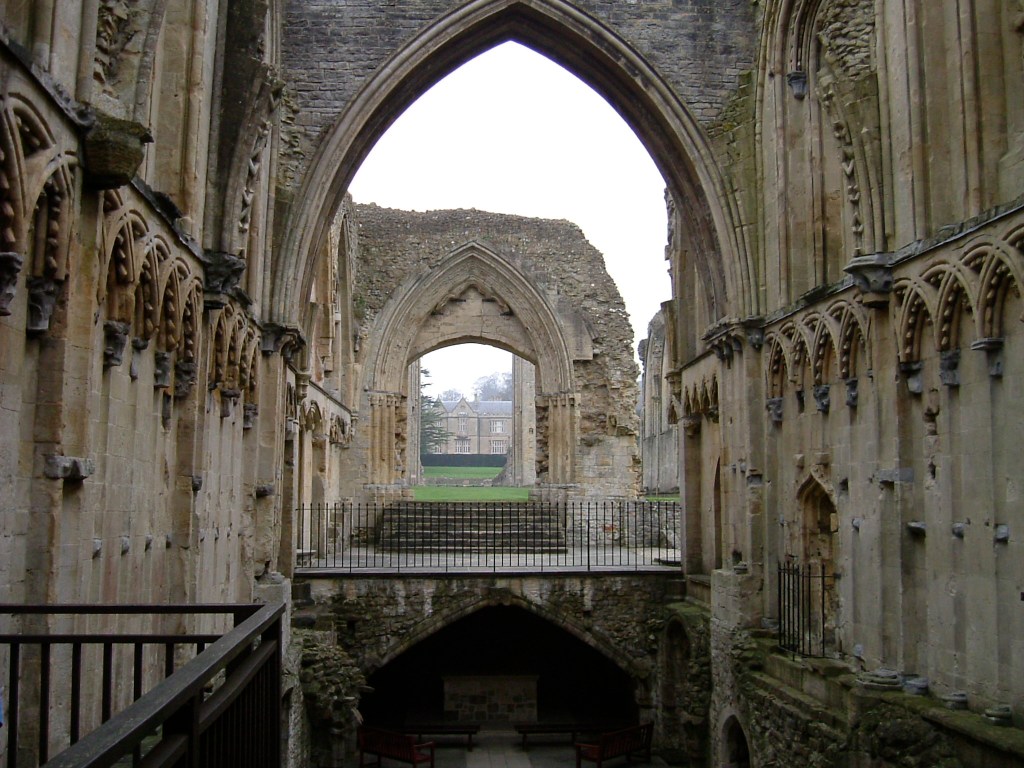
Our goal was Berrynarbor and we had delayed too long gazing at Wells Cathedral and picking our way over the ruins of Glastonbury Abbey. At last we were in the Exmoor National Park.  I felt the urge to pull over and look towards the sea. Through the sedge grass in between the gorse bushes covered in yellow flowers we ran, stepping on heather flowering low on the ground.  The sun was shining and the hills ran down to the sea. It was a magical moment which I will never forget.

We drove down the steepest hill imaginable in Porlock.  Warning signs said look out for runaway cars. The town of Combe Martin had the longest main street I had ever seen.  Finally we arrived at the Langleigh B&B, a converted Post Office with a spacious bedroom looking out across the valley.  Over the road was Ye Olde Globe, with a roaring log fire and hearty food. Berrynarbor is the image of an English village. The main street consisted of whitewashed cottages with thatched roofs.  The local industry is making flower pot men and they adorn all the buildings in the form of workmen going about their jobs.

So ended the second day of our Freedom on the Road.

E for Eating Garlic and Razorblades

#AtoZChallenge 2021 April Blogging from A to Z Challenge letter E

While I was facing the stresses of a new job, John was still researching cars.  He liked the look of the Ford Focus but without the internet was not getting very far.  He visited two car yards in Chasetown without any luck.  We only had one more day before the rental car was to be returned to Birmingham airport.  He also made an appointment with Carol’s doctor so we could be accepted on his list of patients.

A week later I made an exhausted diary entry as I was too tired each night to do anything but fall asleep.  I noted the things I found to be different from my school in Australia.

Children bring a ‘kit’ to school for ‘games’ which includes ‘pumps’.  After they finish they remove their pumps which are covered in mud.  I must remember to take two pairs of shoes in future.  Children also have gym, which consists of setting up complicated and colourful apparatus and then rotating from one station to the next.

Some of the gym equipment. I have blocked the children’s faces but they would be in their mid twenties by now.

The first week was spent giving ‘Spellings’ every day.  These tests are marked by an assistant and are the same words tested in the SATS test in Year 6 along with Reading, Writing, Numeracy and Science.  My Australian accent was as strange to the childrens’ ears as their accent was to mine and some even tearfully told their parents they couldn’t understand the words the new teacher was saying in Spellings. Hmmm, now I have to develop a Midland’s accent.

If you want to use the computers for something which ties in with your other schoolwork you can’t because you have to teach what is in the school program.  I wanted to do some art related work but instead we had to do simulations, which consisted of clicking on musical instruments and hearing them play.

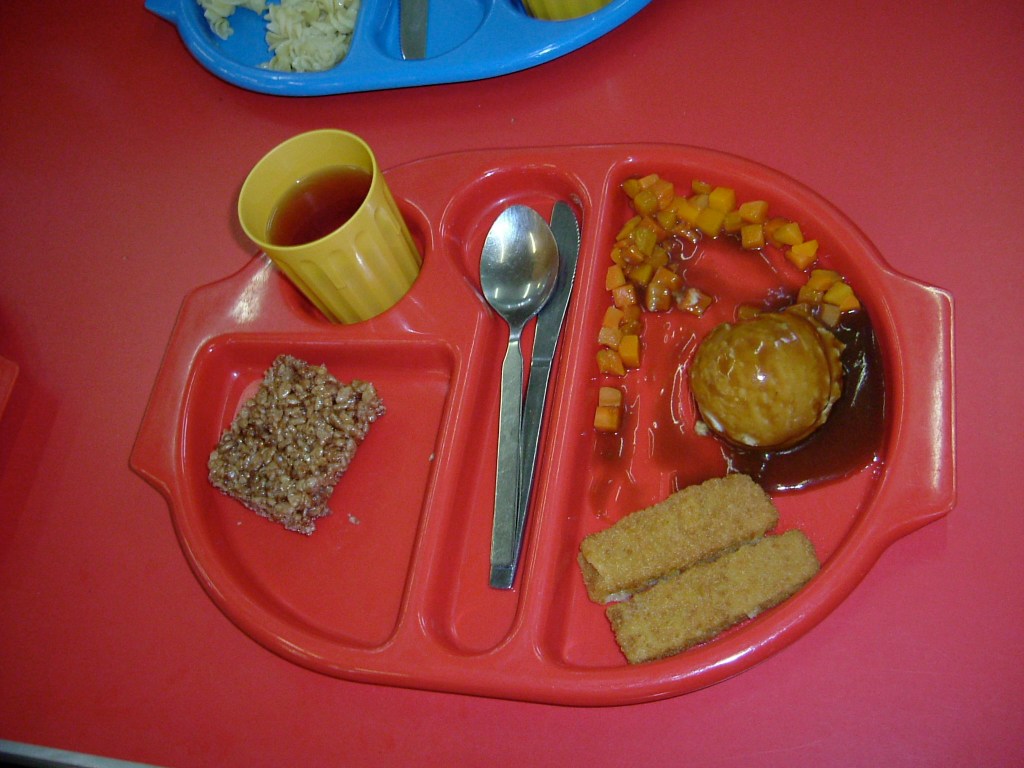
School dinners are served in the hall (after the gym equipment is put away).  Children go out to play, rugged up in their winter coats, and are then called in for dinner.  Years 3, 4, 5 and 6 go in last so often have not finished when the end of lunchtime comes.  As a result I have the class returning in dribs and drabs for about 15 minutes.

A typical school dinner

Reading this 17 years later makes it sound as though I was super critical of the school.  I actually thought it was very well run.  The children were well behaved and the teachers very supportive.  The strict adherence to curriculum was a by-product of a previous era of extreme freedom in which standards slipped considerably.  When my husband taught in London in the 1960s he used his NSW curriculum as there was no guidance on what to teach.

My greatest problem was the teaching of numeracy as I had to learn new ways to perform mathematical operations using number lines.  I decided to change my research topic to the teaching of Numeracy in Primary School.

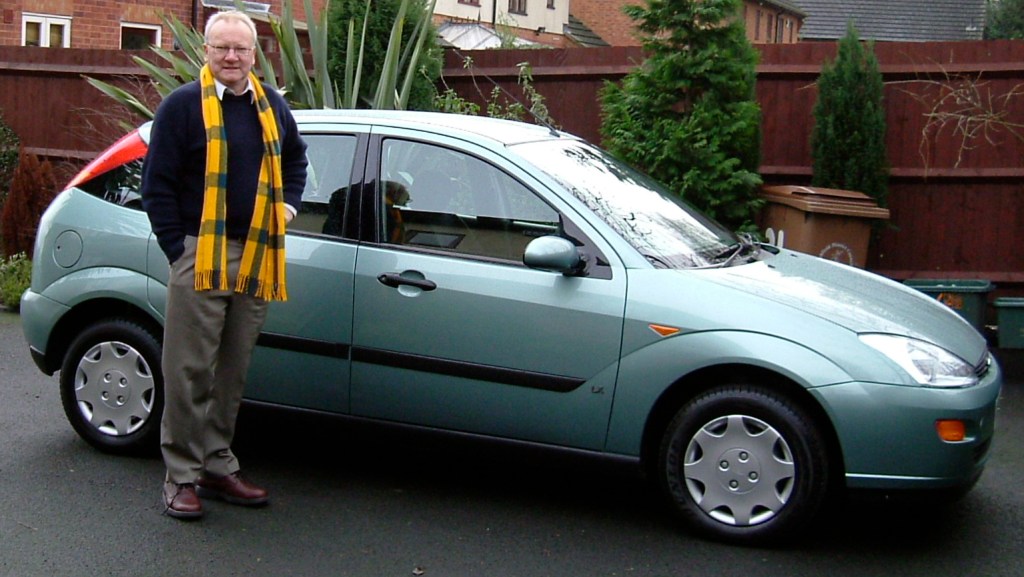
Meanwhile John had secured his new pride and joy, a Ford Focus.  Over budget at £6,500 it was only twelve months old and had belonged to a government agency. We could go exploring each weekend to make up for the long days spent at school.

The new Ford Focus

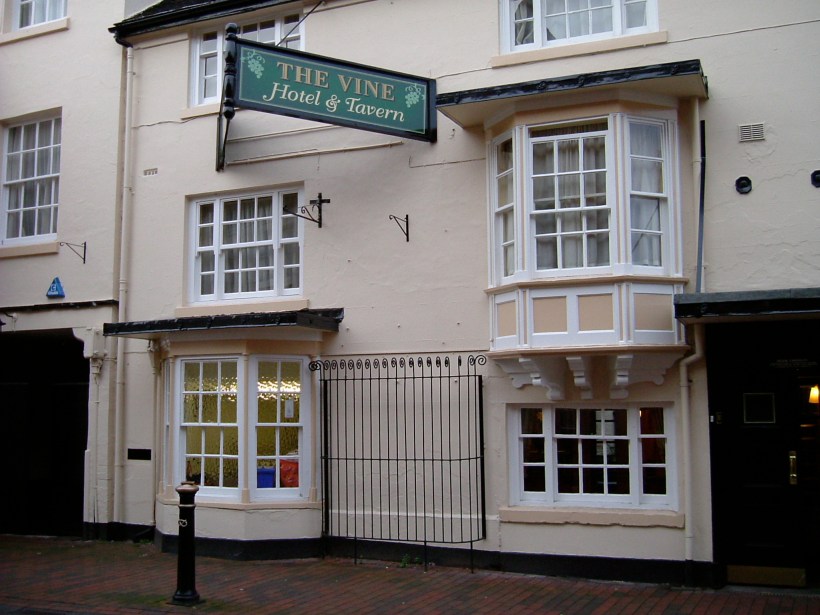
Our visit to the doctor had unintended consequences.  All those people sneezing and coughing around me caused me to feel very ill by the end of the first week.  I had already picked up the local expression of ‘feeling poorly’ and I was.  A planned trip to Birmingham was delayed and instead we drove to Stafford, explored a ‘Tall House’ over 400 years old and had lunch at The Vine.  On Sunday we visited Uttoxeter where I would have been living if the second exchange had gone through. The town was large and historic but did not appear to be thriving. Some buildings were three or four hundred years old and seemed to be barely holding together. 

By Sunday night my throat was like razor blades but I hoped I would be able to teach the next day.  On Tuesday I felt so bad I asked the deputy if I could have Wednesday off to rest my voice and go to the doctor.  He arranged immediately for my class to be split so I could go home but that meant that guided reading couldn’t take place that afternoon.  For one of my fellow teachers guided reading was more sacred than Lichfield Cathedral so my feelings of guilt were substantial.

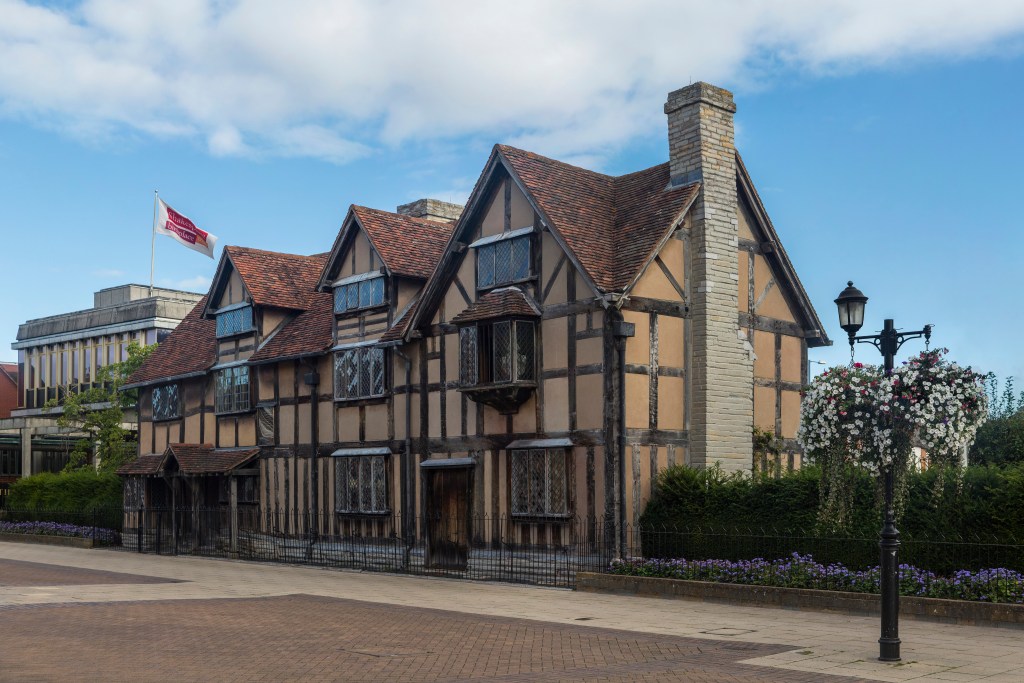
I was able to get in to see the doctor at 5.35 that afternoon.  He immediately wrote a script for antibiotics and suggested I rest for a few days.  However, after one day at home I felt I had to go back.  A week later the sore throat was as bad as ever but the doctor refused to give me any more antibiotics.  He told me to take a week off work but how could I do that? The following weekend we planned a visit to Stratford-on-Avon, staying in a youth hostel, but I couldn’t even summon enough energy to look inside Shakespeare’s birthplace. 

I didn’t get to look inside Shakespeare’s house. “Alas, the frailty is to blame” Twelfth Night
By Diliff – Own work, CC BY-SA 3.0, https://commons.wikimedia.org/w/index.php?curid=22120641

Arriving early at the Youth Hostel we found the heating would not be turned on until 6 o’clock so even lying on the bed in the freezing cold was not an option.  Somehow I survived a miserable night in the bottom bunk of our cell like room.

YHA Stratford-upon-Avon Hostel -I’m sure its very nice in summer

As I had no medication John took me to the casualty department of our local hospital the next morning where I was given stronger antibiotics before driving home.  It was felt in England that the over prescription of antibiotics was rampant and was diluting their effectiveness.  I didn’t get tonsillitis very often but I knew what I needed when I did.  Strangely I haven’t had it in the sixteen years I have been back home in Australia.

One of the helpful suggestions given to me at school was to eat raw garlic.  It was thought this might help my throat.  I tried it and all I can say is don’t do it.  It made me feel so sick I almost forgot about my throat, and that is saying something.

Here is an extract of an email to a friend.  Yes, we finally got the internet up and running much to our delight.

Dianne, It’s the weekend!!! I had Monday and Tuesday off and struggled to school Wed Thurs Fri.  What a relief to stop.  I have never been in such bad health.  I like John’s suggestion of shipping me off to Samoa like R L Stevenson but I don’t want my grave there.  We had “loads’ of snow on Wednesday and the roads froze on Thurs so they were like skating rinks.  The schoolwork is building up.  Parent interviews are in a week and a half with inspection of books, report sized comments on Maths, English and Science and a Monday evening devoted to timetabling parent visits so they can see all their children’s teachers in close proximity.

(Because we divided the children into three groups for English and Mathematics we taught children from the other two classes as well as our own. As a result we had to timetable the parental visits so they could see all three teachers within a similar time frame.) 

Interviews are from 4 ’til 6 on Tuesday and 6 ’til 8 on Thursday.  The following day is pupil free with a week’s half term holiday after that.  I’ll need it.  NSW primary teachers don’t know how good they’ve got it.  

Maybe current NSW teachers will dispute my comment but in 2004 the amount of time spent by teachers at school in England far exceeded that of NSW teachers (based purely on anecdotal evidence). It was more common for teachers in Australia to leave school early and take work home. After all you can’t get much done in a baking hot demountable. You could actually reduce your heating bill by staying at school in England.

D for Diary of New Experiences

#AtoZChallenge 2021 April Blogging from A to Z Challenge letter D

New Year’s Day!  The first day of 2004!  What a challenging, exciting, educational year it would be.

We wasted no time continuing our exploration. Driving around the local area we viewed the sailing club at Chasewater. The dam was built for the purpose of controlling the flow of water to the nearby canals. On a wet, cold and windy day the thought of setting sail in a dinghy on the chilly waves was not appealing.  Across the dam wall in Chasewater Park there were hundreds of birds, Canada geese, swans and ducks.

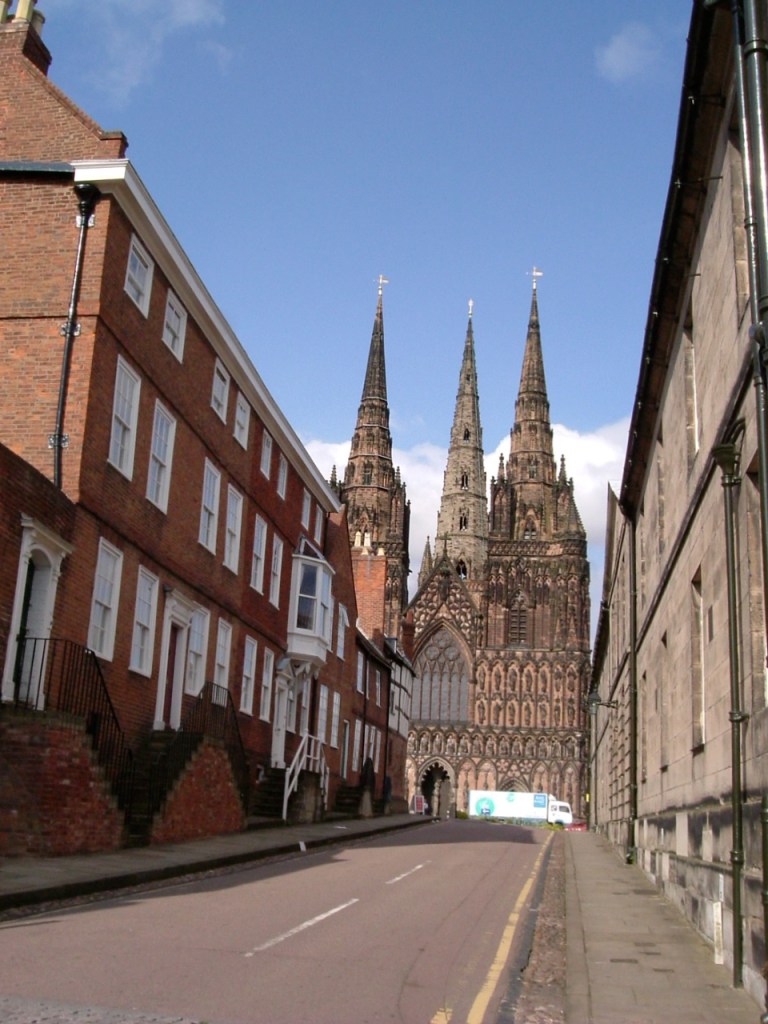
The nearest big town is Lichfield so we drove there, leaving the warmth of the car to admire the Georgian architecture, finally finding shelter in Lichfield Cathedral which is 750 years old and costs an absolute fortune to heat.  Its history was fascinating.  During the Civil War it was used as a garrison for both Loyalists and Roundheads, lost part of its roof and one of its three spires to cannon fire and more recently has been carefully restored to its current glorious state. 

The three towers of Lichfield Cathedral (photo taken in the Summer)

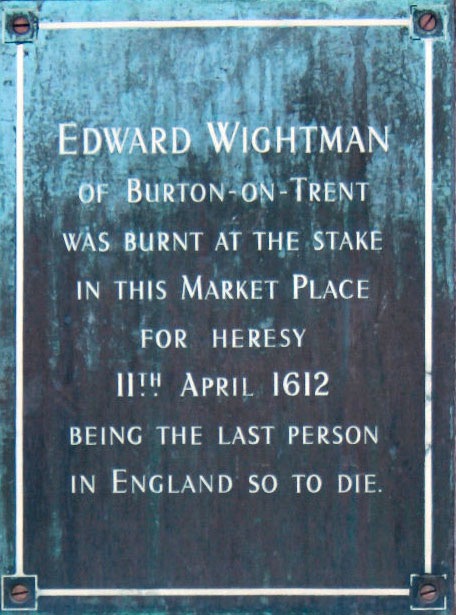
We were fascinated and horrified to read about the last man to be burnt at the stake in England, in 1612.  Edward Wightman’s religious views varied considerably from the established church, including the desire to ban baptism of children and the belief that Jesus was a mere mortal and not the son of God.  As he felt the heat of the flames he recanted and was given a reprieve from the fire.  However he must have regained his courage, persevered with his views and was again sentenced to death by burning.  This time he was given no reprieve.

A plaque in the Lichfield Market Place

Famous names such as Erasmus Darwin (1731-1802), Samuel Johnson (1709-1784) and Elias Ashmole (1617-1692) helped make Lichfield a major centre for scientific advancement, music, literature and culture within Europe.  It was exciting to be in the midst of so much history so close to where we were living.

Real life issues saw us driving to Cannock the next day to pick up a cheque book and credit cards.  It was an attractive town with a series of malls and squares making it largely a pedestrianised area.  As we left the warmth of the car we put on our overcoats, hats, scarves and gloves and headed to the bank.  I found I had left one glove at home so consequently one hand was frozen, even though I put it in my pocket.  In the bank they were trying to plug in a fan heater because the central heating wasn’t coping.  They also informed me they had lost our credit cards somewhere between Bradford and Cannock. As a result they cancelled the cards and ordered new ones which they promised to send to us. We left with our cheque books and the knowledge that six thousand pounds from our Australian bank had been deposited so we were now able to buy a car.

The next attraction was a used car yard, where we negotiated to take a Vauxhall Astra Diesel for a test drive. It was £6,000 with 79,000 miles on the clock.  John didn’t want to commit as he felt it was overpriced. Instead he bought himself a used car magazine which he studied with great diligence.

Using our phone card we rang John’s father and our son Cameron, relieved they were both doing well.  Cameron was living in a motel in Canberra with a number of other graduates until he could find permanent accommodation.  He would be given a generous moving allowance and was looking at rental houses to share with a couple of others.

Buying food may not seem very exciting but it was all new to us.  We had been given some options, Tescos at Brownhills, Safeway in Chasetown and Sainsburies in Great Wyrley.  We chose Tescos where we looked askance at the price of meat and wine.  However we departed with lamb chops, some groceries and a bottle of red.  The icecream stayed frozen in the boot.  No need for an esky.

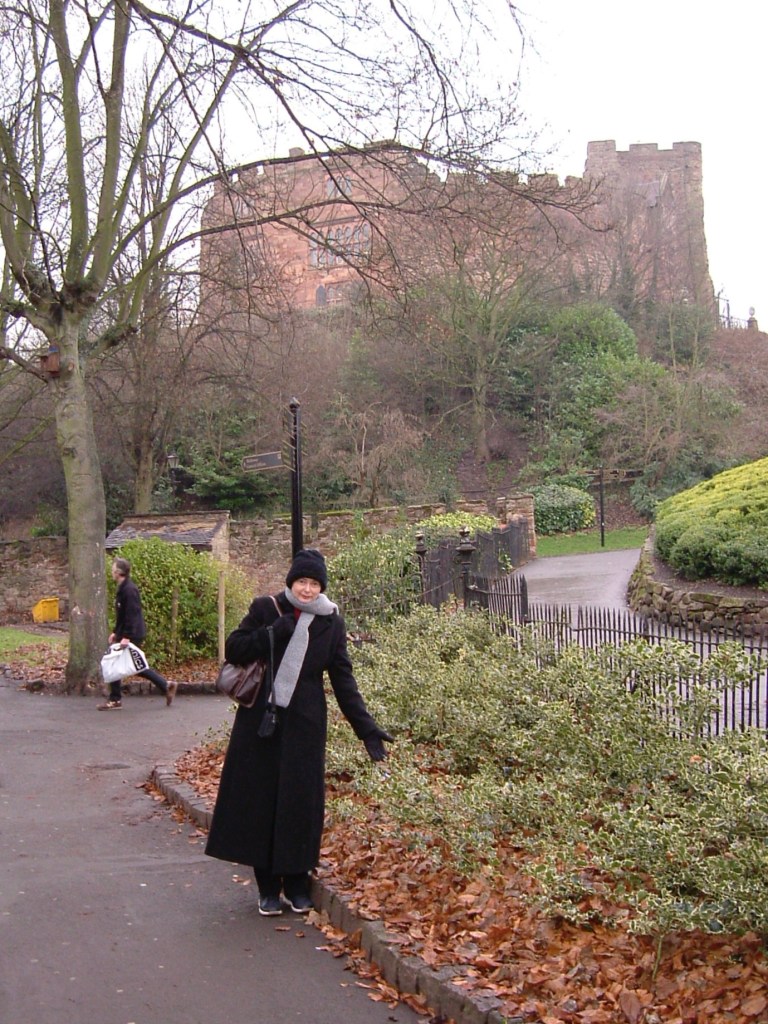
That meant we could keep exploring so we came upon the historic town of Tamworth. Although there were some unattractive high rise buildings spoiling the skyline we admired the ancient castle on the edge of the town. There was an extensive market battling the cold in the High Street but we ducked into an indoor shopping centre instead. One of the highlights was the toilet in the park. Not only was it heated but it was scrupulouly clean with artificial flowers beside the washbasins.

The castle at Tamworth

We were settling into life in England but at the back of my mind was the terrifying thought of school starting next week.  Would the children like me?  Would I get along with the staff?  What would the parents think?  At home I would still be on summer holidays for another month.  What had I let myself in for?

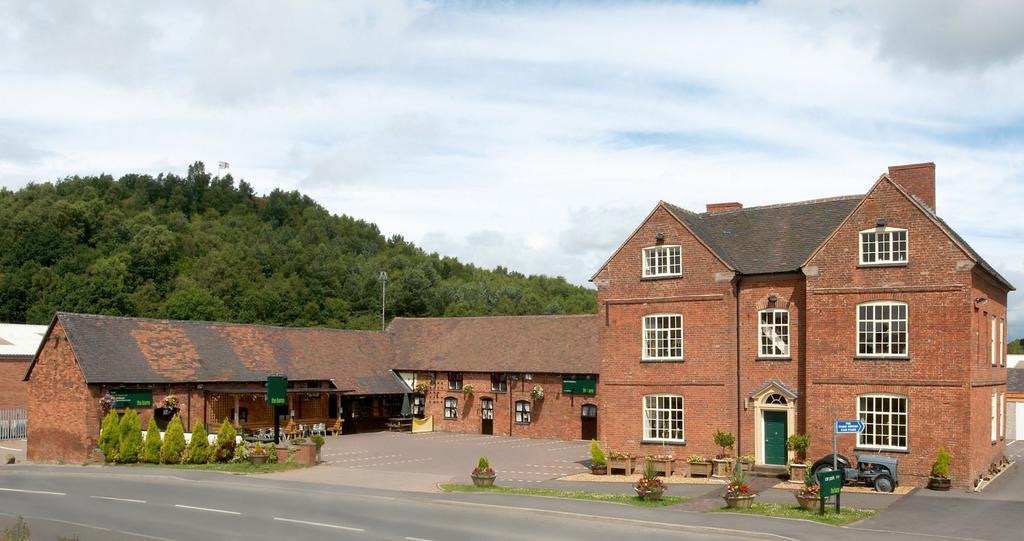
Lunch at The Barns

Light snow was falling as we approached The Barns in Huntington.  The School Principal and her husband were taking us out for Sunday lunch with their two adult children. It was the day before school resumed and was a thoughtful way of making me feel more comfortable in my unfamiliar surroundings.  A three-course meal and two bottles of Australian wine later we were driven home with a farewell and “I’ll see you tomorrow” from the Principal.

My neighbour M picked me up next morning at 8.00am. Soon I was meeting the support teacher and the other two year 3 teachers, J and S.  They were so organised that I found my whole week was planned without having to lift a pen.  Programming was going to be relatively easy as it was a co-operative effort but all written work had to be marked and everything was to be documented so one was expected to stay back late each day to keep up with the workload.  Half term holidays were for catching up with paperwork which didn’t exactly match my plans but I was keeping quiet about that.

I volunteered to take a recorder group at lunchtime which entitled me to free school lunches.  I soon noticed differences between schools.  Whereas every classroom in my NSW school had an overhead projector there was only one in this school, requiring fetching and returning for every use.  Saying that, they were trialling Smart Whiteboards in two classrooms. The Base Ten blocks which were the cornerstone of my Mathematics teaching and in every classroom at home, were rarely used, so I claimed a dusty box full for my own use.

At least I could play the game “Win a Flat” on my first day of teaching!

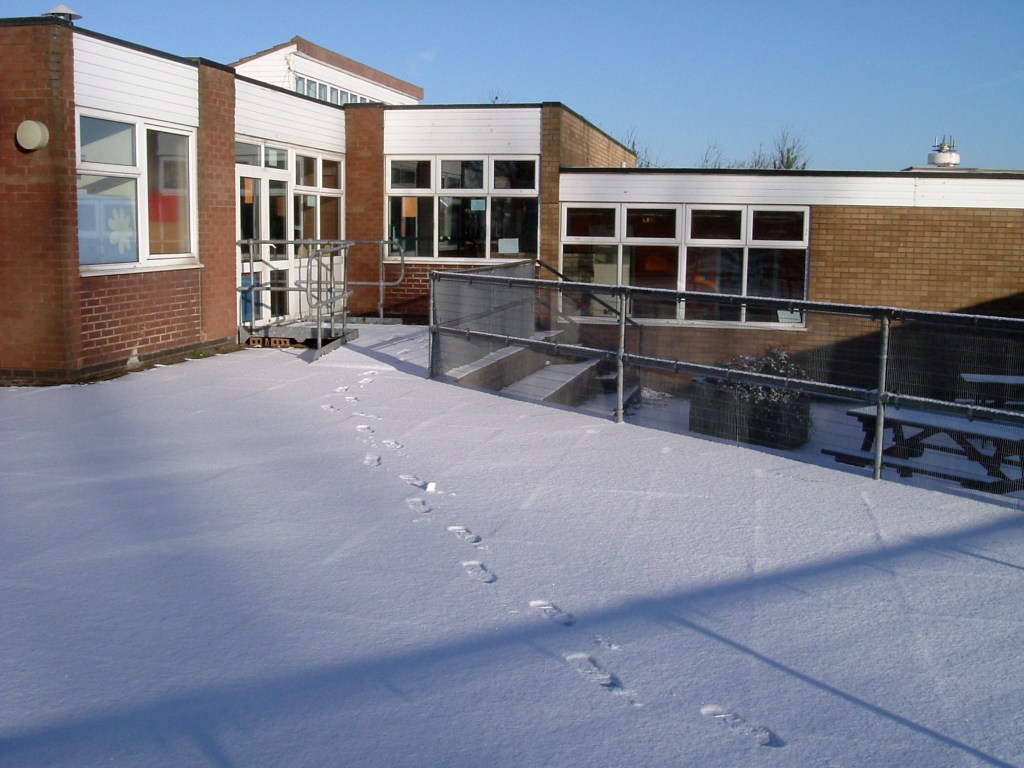
My school for the next year

C for Close Your Eyes and Think of England

#AtoZChallenge 2021 April Blogging from A to Z Challenge letter C

Arrival at Heathrow, passing through customs and retrieving our luggage all went smoothly, unlike my first visit to London in 1998, but that’s another story.  The Heathrow Travel Inn was very new, comfortable and spacious.  The next morning we left the warmth of the hotel for a walk around the block.  The cold hit my face like a sledgehammer. I had sudden misgivings.  Could I survive in this climate?  How long until Spring?

A taxi took us to the house my daughter was sharing with six others.  They called themselves Seven Little Australians and seemed oblivious of the freezing temperatures. John had lived in London for three years in the “Swinging ‘60s” so was keen to revisit old haunts.  First on the list was “The Dove” so we bought a daily transport ticket and took two tubes to Hammersmith.  The walk alongside the Thames was interesting as it was low tide and canal boats sat on the dry. We warmed ourselves by the roaring coal fire in the The Dove and ate potatoes topped with beans and cheese, tuna and onions. We noticed one of the flatmates seemed particularly interested in our daughter.

John reminiscing about his youth

We bought cards for our mobile phones, found a place to sleep in Carina’s house in Shepherd’s Bush, and prepared to go out for dinner.  Carina had booked a table at the Blue Elephant which was an upmarket Thai restaurant. We had to catch three trains to get to Fulham.  The Blue Elephant lived up to its reputation.  We were greeted by smiling waitresses and met with a blast of hot, humid air which felt as if it was blowing off the Andaman Sea.  All I can say is the restaurant was completely over the top with wooden bridges crossing running streams filled with fish and floating baskets of flowers.  John had been looking a bit peaky but this was the last straw.  After we ordered a simple soup for him, he decided to go for a walk outside in the cold and possibly go home.  Carina ordered us two dishes with steamed rice, accompanied by jasmine tea.  The waitress suggested we choose something less spicy to go with the order or maybe we would like less chilli in our dishes but I confidently replied they would be fine. I found out the meaning of the elephants beside each dish on the menu.  Two elephants meant very, very hot.  We were unable to finish the meal.  Instead we had fruit and icecream to put out the fire and asked for containers to take away what we could not eat.  The bill arrived for £58  which put me into a state of shock.

I don’t want to labour the point but we were visiting Britain at a time when the Australian dollar equalled 42p or as low as 38p after actually changing money.  That meant that every British pound equalled more than AUD $2.60.  Our dinner at the Blue Elephant cost us over AUD $150 . I was still receiving my salary from the NSW Education Department so we had decided to be very careful when eating out so we could save money for travelling.  Day 1 we had blown the budget and the whole thing was a bit of a disaster.  John was still wandering the local streets so we found him and headed back to Shepherd’s Bush on the tube, carrying our containers of fiery curry.

Carina left early next morning for Edinburgh and Hogmanay with two flatmates, including the interested one.  Although we promised to wait for the plumber to fix the hot water in the downstair’s bathroom, he didn’t arrive by 10.00 am so we had to shut the front door and take a taxi to the car hire place at Park Royal.  The taxi driver was from Trinidad and John found out his life history as we drove through London.  He had nine children, all living in Trinidad.  He was going back for a holiday for the first time in 22 years.

Our first rental car

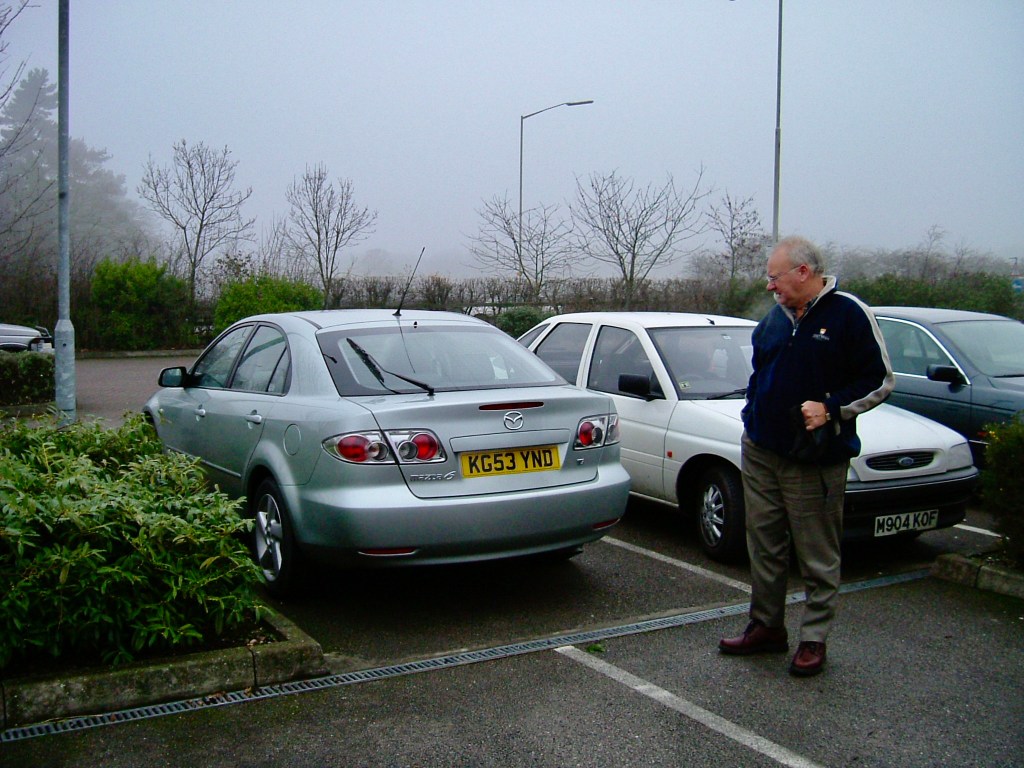
John was pleased with the car as we were upgraded to a Mazda 6.  It had digital controls for climate air, radio etc.  How good was the feeling as we left London, travelling along the M1 to the Midlands.  We stopped at an old pub for lunch but in England things are not always what they seem.  It was owned by a food chain called Harvester, and lacked the character I was anticipating in an old English pub..

Our lunch stop on the way to Staffordshire

We pulled up outside our home for the next twelve months.  Carol was there to welcome us and introduced us to M, another teacher at the school, who offered to drive me there for the first few days.  (As it turned out she drove me all year). Friends of ours had arranged for beer and wine to be in the fridge and Carol had also left food.  We drank the wine and ate the rest of the curry with copious quantities of rice. After working out how to operate the TV we both fell asleep in front of it.  Somehow we climbed the stairs to the bedroom and had no trouble falling asleep a second time.

The view from our new home

There is nothing more frustrating than standing in a shower when the water runs cold.  Especially in the middle of winter. It wasn’t until later I discovered I had to pull a cord hanging from the ceiling to activate the heat. 

My diary reflects my difficulties.

John is sleeping and I am having a very frustrating time because I can’t get anything to work. First of all, the Central Heating won’t come on. I tried reprogramming it to new times and now the downstair’s heaters won’t even warm up.  It’s not cold in the house as we have the gas fire but it is annoying that I have done something to mess up the system.  I then tried to connect to the internet but I can’t find a plug in the wall like at home.  The phone cable just disappears through a hole in the floor.  I decided to watch TV as I was not getting anywhere but I can’t even turn that on.  There are two remotes and neither will work.  John had it on earlier so why won’t it work!!!

On New Year’s Eve Carol arrived to take me for a school visit to Castle Bridge*. It was unlike its grand name and consisted of a long, flat roofed building with wings at either end built in the unexciting architectural style of the middle 20th Century. I met the school principal who took me on a tour of the school, ending up in my new classroom where Carol explained her program.  It was a lot to take in and I was glad to get home and have some lunch.

I had success with the washing machine and although the weather was not suitable for outdoor drying I was pleased to see Carol had a Hill’s Hoist in her back garden.  In this wet, chilly weather I used a clothes horse in the study. The view from upstairs was across a decidedly bleak graveyard but at least the neighbours would be quiet.

The graveyard behind our home

Although we may have opted for New Year at home we were invited to a party.  It was at the home of Carol’s parents.  At 7.45pm Carol came by and drove us to her parent’s house which is near the school.  I despaired of ever finding my way there as a new tollway had split the area in two and made what was a simple journey into a complicated one.  We were welcomed by Carol’s parents and were to find them supportive and friendly for the year of our stay.  They were full of advice on where to go and what to do. Alan loaned me a book on walking around Staffordshire but I looked out the conservatory window and decided to wait until the weather improved.  The food was excellent.  John and I concentrated on the large Atlantic salmon and salads as we had been deprived of greens the last few days.

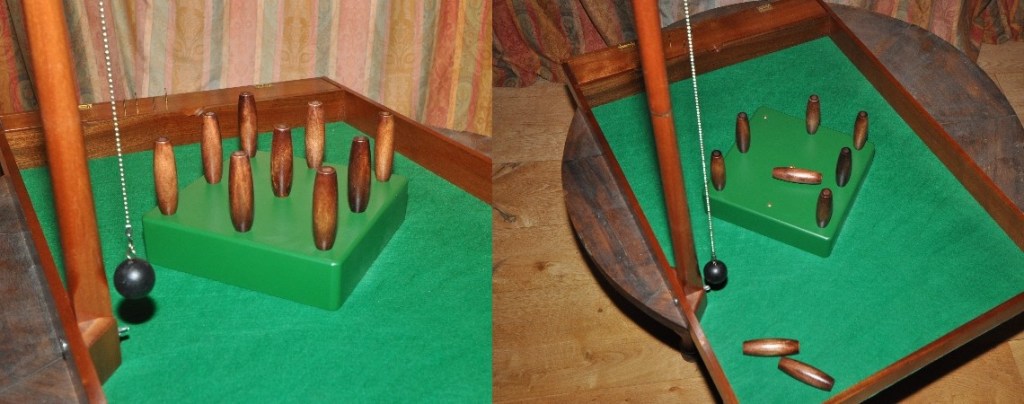
There were a number of other guests, including family and friends.  After the meal we played a traditional English game called bar skittles made by Jaques of London.

The Oldest Sports and Games Manufacturer in the World
Passed down from father to son for six generations, Jaques have been responsible for inventing many well known games, such as Croquet, Ping Pong, Snakes and Ladders, Ludo, Tiddledy Winks, The Staunton Chess Set, Happy Families, Snap and many more.

Carol had ordered a taxi to take us back to Chasetown.  It would normally have been ten pounds but the driver informed us New Year’s Eve was double price. Maybe, I decided, we should stop worrying about money and just chill.

*not the school’s real name

B for Business Class

#AtoZChallenge 2021 April Blogging from A to Z Challenge letter B

The Exchange Program Orientation Conference, held at the William Wilkin’s Gallery in the historic Department of Education Building, Bridge Street, Sydney, was a much anticipated event on my calendar.  It was on the last day of the school term, which I didn’t mind at all.  I would be staying in a hotel in the city but more exciting was the thought of all the new and interesting information I would gather and the like-minded people who would be heading off on their own adventures.

Department of Education Building, Sydney

The excitement level rose as a representative from Awards and Recognition congratulated us on our exchanges.  Later I was to discover that only four teachers were exchanging to England.  What had happened?  Three years before there were 30. The Canadian contingent was quite large, with about 27 going to British Colombia, Nova Scotia, Ontario and Alberta from state and private schools.

Of the assembled group of 38 teachers I found S, a special education teacher who was going to live in Wimbledon, J, a school counsellor, who was leaving in two weeks for her job in the Surrey Childrens’ Service and the only Primary School teacher, B from an Anglican College in Newcastle.  Her husband was also going, having taken a year’s leave without pay from his teaching job.  He hoped to pick up casual work but was not too stressed about being a house husband for a year.

The afternoon was filled with a rather confusing mixture of information on tax, finance, health, unions, travel and visas presented by representatives of various organisations.  By this time I was fighting an annoying cough and sore throat so I happily agreed to my husband’s suggestion to skip drinks at the Gallipoli Club and return to my hotel room for a rest.  Little did I realise that my throat infection would come back to haunt me in the months to come.

Boxing Day 2003 was unlike any other.  For over a month we had been frantically preparing our house for our new guest.  A single woman named Carol was exchanging her semi-detached house in Chasetown, Staffordshire for our home of nearly 30 years in the Wollongong suburbs.  We would not be able to show her around as she was staying in England until after our arrival. We would meet her on her own territory.

Can you imagine taking a year’s supply of everything you might need in one suitcase weighing no more than 25 kilograms? Leaving our cleaner, Enid, to do a final vacuum, we drove to the airport in the Prado.  Grabbing a trolley we headed for the check in and breathed a sigh of relief as the bags came in at 25 kg and 23.8 kg. John requested an aisle seat but the Cathay Pacific officer could do better than that.  He announced we were getting a late Christmas present, an upgrade to Business Class.

Our son Cameron had parked the car and was looking after our hand luggage.  We said goodbye but I had hopes that maybe he could come and join us for a few weeks.  He had just been offered a job as a computer analyst with the Public Service in Canberra and would be searching for accommodation without our help.  A feeling of guilt was mixed with the knowledge he was 21 and quite capable of looking after himself.

Friends had also come to see us off.  After all, a year is a long time.  I hadn’t let my mind dwell on that too much but I was anxious about John’s father who at 86 might not be there when we got back.

Travelling Business Class helped dispel my worries.  Our personal flight attendant, Edward, was continually offering us another wine, a tempting pastry or anything else our hearts desired.  The lay flat seats were a luxury and the individual, high quality TV screens gave us an almost unlimited choice of programs. It seemed no time at all before we landed in Hong Kong.  After cheerful farewells to the crew we struggled off with four coats, two cameras, a laptop computer, three bottles of wine, and two heavy backpacks.  It was five years since we had last been in Hong Kong so we forgot you had to catch a train to the luggage rondo.  Once we found it the luggage soon appeared and we ran for the train to Kowloon.  It was just about to leave but waited for us while helpful porters threw our luggage in and took our trolley.  The journey gave us time to regain our breath but the next concern was that the free shuttle bus stopped at 11.00 pm and it was now 10.55 pm.  The bus drivers cheered us on as we jumped onto the last bus at 11.09.

Everything had gone so well we were a little taken aback by the room at the Orchard Garden Hotel.  It was clean but about twice the size of a double bed so we continually fell over each other and our luggage.  The shower was adequate but I slept badly as there was a dip on my side of the bed and I was continually sliding downhill.

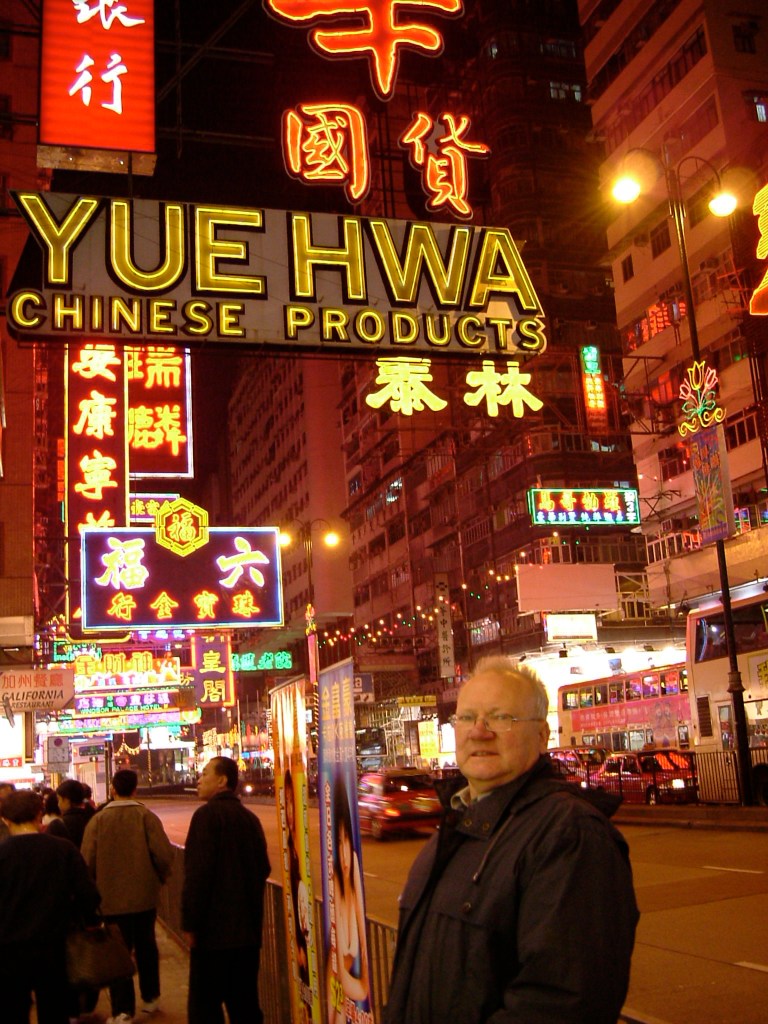
We had moved from Summer to Winter in a few hours.  Dawn was late so we woke in the dark.  We meandered through shops, buying a camera and presents, trying not to eat too much of the delicious food. As evening approached the streets were lit up for the Christmas season and carols played continuously through the loudspeakers.

Enjoying the bright lights of Hong Kong

The downside of travelling business class from Sydney to Hong Kong was that on the longer second leg to London we were downgraded to economy. Gone were the horizontal seats, the cheerful service and the delicious wine and food.  Even the TV screens were small and scratched.  I looked down below where small clusters of lights pierced the blackness. I guessed we were somewhere over the Siberian lowlands.  It didn’t do to think too much about the incredible feat of flying in a small tin can way above the earth in the dark.  I just trusted that everyone knew what they were doing and that I would land safely at my destination.

A for Age is No Barrier

#AtoZChallenge 2021 April Blogging from A to Z Challenge letter A

I don’t know what made me do it. I do know that Mike gave me the idea.  He was an affable Canadian who arrived at my school for a year’s exchange.  I guessed he was even older than me and I was the wrong side of 50. He and his wife were delighted with their exchange house overlooking the beach.  Mike was less delighted with his new class, some of whom showed little interest in Canada or the outside world and treated him with a scorn reserved for all casuals, itinerant teachers or staff who had not been in the school as long as they had.

However, for me, the stars were aligning.  My husband had retired from his job as a school principal, my daughter was working in London and my son was approaching his final year of university. It had always been my dream to live and work in another country long term so that I could get a feel for the culture, watch the change in the seasons and best of all, have a base to explore an entirely new continent.  A year in England with a school and accommodation already taken care of would be a dream come true.  If Mike could do it, why couldn’t I? 

I have the ability to push to the back of my mind worst case scenarios and so blithely went ahead with my application in November 2002. With my principal’s mixed blessing I sent my form to the local district superintendent.  The interview was by phone early in the Christmas holidays.  I answered the call in my dressing gown and heated curlers, trying to sound dignified and intelligent as we discussed my proposed research project.  The interview appeared to be a formality and so the waiting game began.  I looked forward to the new school year with more than usual enthusiasm because I hoped a letter would be waiting, revealing my new home and workplace for the following year.

Days turned into weeks, then months.  One afternoon I returned from a science excursion with my Year 5.  It was getting late in the afternoon but for some reason I checked the staffroom and saw a fat white envelope in my pigeon hole.  John, the principal, had written a congratulatory note on the outside.  With mounting excitement I tore it open to reveal photos of a traditional white English house flanked by established English trees.  It was tastefully furnished with period pieces and looked like something from an English House and Garden magazine. Reading on I discovered it was in Kent with a nearby primary school in Greenwich.  It was so different to my house and my newly built (1995) school in NSW. 

My school in Australia

I rang my husband before rushing home to examine the documents more closely.  It looked as though the adventure was about to begin! After promptly returning my acceptance I waited for a response.

Our house in Australia back in 2003. It looks very different now.

Nothing happened. Until one day a phone call to my principal brought the devastating news.  The exchange was off.  Not my fault – internal staffing problems in the school.

“The next offer might be better,” people said, trying to comfort me. “Maybe it was meant to be!”

Several emails to State Office later it was suggested I consider Canada or the US as the UK was hard to get.  I wondered why as our exchange rate and sunny climate would surely be an incentive for any English teacher.  I really wanted England as my daughter was in London and my ancestors had all come from Britain by ship a hundred and fifty years before.  It was time to return to the “Old Country”.

Another offer did come. The house was a small semi-detached in Uttoxeter, Staffordshire.  The school was on the edge of a ‘50s industrial estate in a nearby city.  It seemed that schools were rated in England by their position on a League Table after the children sat for their SATS tests.  The inauspicious results from the school placed it 125 out of a possible 128 in the county. School numbers were decreasing at an alarming rate according to demographic information available on the net.  To my mind the whole situation seemed to be a self-fulfilling prophecy as enrolments and test results declined simultaneously.

Although somewhat concerned about the school and disappointed that London was no longer 20 minutes by train, but more like two hours, I returned my acceptance.

Time passed and unbelievably I again received the message, “We regret to inform you that the proposed exchange between Linda Curry and X will not be going ahead.”

I couldn’t believe my eyes.  My husband suggested I take leave or resign and work in England for English money but I wasn’t quite brave enough to do that.  My heart was set on an exchange.  At 52 I wasn’t getting any younger and I wanted the security of a house and job before I left Australian shores as well as a job to return to the following year.

An emotional outpouring to the Australian exchange organisers received a sympathetic ear.  They assured me there was nothing wrong with my application.  In fact the first exchange was cancelled because two of the staff had become pregnant and the principal did not want any more staff changes.  Those SAT tests and League Tables had them worried.  In the second case the mother of the exchange teacher became seriously ill and so she had to cancel her plans.

We were having coffee in our caravan, having escaped to the Gold Coast for a winter break in the June/July holidays.  My mobile rang. “Would you be prepared to teach younger children and do you think your principal would be happy to accept an ‘infants only’ teacher’?”  After saying I couldn’t speak for my Principal but as far as I was concerned it wasn’t a problem I had the foresight to ask, “Where?”

“Staffordshire, I think,” was the reply.  Somehow, I knew this was it.

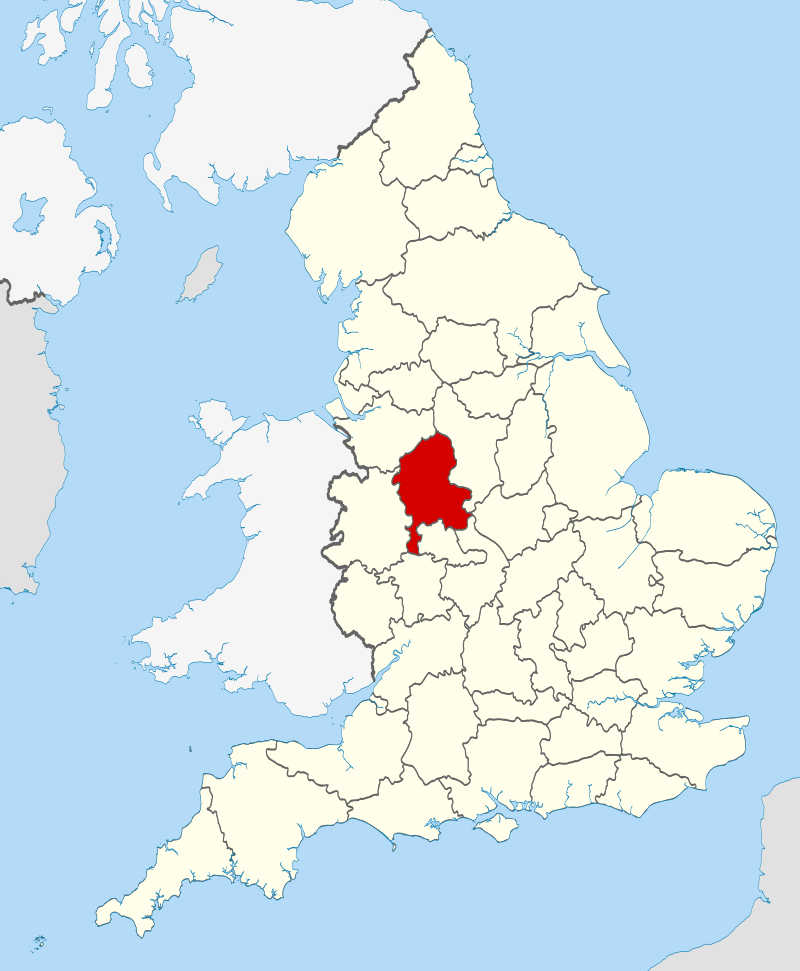
So that is where Staffordshire is!

A to Z 2021: A Year in “The Old Country”

When I was young the older people in the family used to refer to the United Kingdom as “The Old Country”. This is where their parents or grandparents had left England, Scotland and Northern Ireland in the mid 1800s, never to return.

This blog is about my year in England, returning to the land of my ancestors, working in a Midland’s school and living in a small semi-detached house next to a graveyard.

From a mixture of hand written notes, diary extracts and emails to friends in Australia I am compiling the definitive record of the year 2004, when I finally fulfilled a lifelong dream of leaving the security of home and embarking on the greatest adventure of my life.

This is my 6th A to Z. Previous titles were:

2016 – A for Argonaut

2017 – Fact or Fiction – Family Stories

2018 – A for Ancestry

2019 – Travels in Our Caravan

2020 – Taking the Hard Road

I look forward to sharing this year’s A to Z with you and also to reading the blogs of the many other contributors in this wonderful month of writing!

Annie’s Secret-13

Chapter 13

The service was held at St Margaret’s Church of England in 11th Street, Mildura.  It occurred to Annie  that it was the same street in which Haydie was conceived.  They arrived late and sat discretely in the last row.  The organ played and they stood up mouthing a hymn they didn’t know as there were no hymn books left.  William Brown, Jack’s business partner, walked to the front of the church to speak about his lifelong friend.

It is with a heavy heart that I farewell our friend Jack Hamilton.  I don’t want to dwell on sadness but would rather recall the great joy he gave to all around him.  

 I refer to Wordsworth’s poem, ‘The Character of a Happy Warrior’, as I feel it captures, far better than I am able to do, the essence of the man who was our mentor and friend.  

This is the happy Warrior; this is he 

Whom every Man in arms should wish to be

My first memories of Jack date back to France in World War One.  I can still see him now, playing his violin in a little smoky café, leading the singing of ‘Mademoiselle from Armentieres’.  Sometime later it was maybe with that same violin that he led the singing of ‘The Tattooed Lady’ in the blockie’s camps after a day of clearing the mallee in 100 degree heat.  Then Jack married and he and his charming wife moved into their home on the block.  Jack would welcome each guest with a tune on his violin as they arrived.  Every Wednesday night became a singing night with local musicians.  I’m sure a number of you remember those evenings with ‘Lily Marlene’ and ‘Danny Boy’.

William continued. All of you who knew him would agree that he had a most outstanding personality, with a great sense of humour. He had that characteristic we call charisma.  He radiated vitality and charm.

He was a man who helped fellow human beings whatever their rank in the community.  He was always ready to lend a hand to those in need.

Hayden was thinking hard.  He was worried.  Jack had been his mentor.  It was Jack’s idea to start up the irrigation business and his advice and contacts had been invaluable.  He felt as if he had been set adrift.  Now that supplies were drying up he would have to move on, back to Sydney, and somehow start again.

Jack was a generous spirit.  Many people, from all walks of life, loved him for his sense of fairness and dedication to what was right.   As well as a being a dedicated family man he was an astute businessman but in saying that he was always aware of his own moral being.  

Annie was confused.  She didn’t know what to feel. He had given her the greatest gift anyone could ask for but for a while she had hoped that they could talk again, alone, and recreate the magic of that evening together. Now he had gone, and she would never see his face or hear his voice again.  She alone carried the burden of guilt and deceit but knew she must try to make her marriage with Hayden work. At least she was safe in the knowledge that no-one could possibly ever find out.

William Brown was finishing his eulogy.  Jack was a man who hated violence.  He hated war with a passion and yet he felt it his duty to become involved in two world wars as the alternative was unthinkable.  He was a man torn between his moral duty and his own sense of morality.

We bid a sad farewell to a man whose life ended prematurely, a man who was unable to enjoy the pleasure of old age and a man who will be greatly missed by his loving family and many friends. I ask you all to bow your heads and remember Jack Hamilton …. the Happy Warrior.

Hayden and Annie left as soon as the service was over.  Neither could face the weeping, bowed figure of Enid or the solemn faces of her children.  Annie bought a sympathy card, deliberating for hours on the words she needed.  In the end she wrote, 

“Our deepest sympathy to Enid and your children.  Jack will be sorely missed.  We will be eternally grateful for the helping hand he extended to us before and after our arrival in Mildura.”

They had one last picnic by the river.  Hayden pointed the Brownie Box towards Annie as she held Haydee on her hip.  The child, in her short skirt and striped jumper, sucked her thumb as the camera clicked.  Now Annie was sitting in the grass, her green and white leaf print skirt spread over her legs, while behind, the mallee poked out of the brown, flooded river. Hayden’s black shadow filled the foreground.  

Annie packed the picnic things, the thermos, the anodised cups, the empty brown paper bags and the blanket. Hayden put them in the boot while Annie climbed into the front seat with Haydie.

”We’ll be off tomorrow before dawn!” he said to Haydie as he climbed into the driver’s seat. “I think we’ll just put you on the parcel shelf and let you sleep until breakfast time.”

“You sound cheerful.” said Annie. She sighed. Another fresh start. Would it be any better than all those other fresh starts? She wondered what the future held, especially as they had a child to think about. Still Hayden seemed convinced he was doing the right thing so maybe she should have more faith in him.

Yes, Hayden was optimistic.  He felt he had learned a lot in Mildura.  Irrigation was a good field to be in.  People needed water everywhere, not just in the Mallee.  He would move to Sydney and supply the farmers of NSW with not only pumps and hoses but also with tank stands, fence posts and gates made from steel and piping. They just needed to collect all the money owing to them and they would be able to start afresh.  Maybe they could buy some land on the outskirts of Sydney, build a little house for the three of them and never move again. Annie would be happy and he could watch Haydie grow and teach her all he knew.

He started the truck, put it into gear and headed for home.

THE END