
I’m afraid I have to cheat a little here. Strictly speaking, we weren’t caravanning when we visited Strahan in 1993. Instead, we caught the Sea Cat across Bass Strait driving our little Daihatsu Applause. The air conditioning on our larger Ford Falcon was playing up so our two children (aged 13 and 11) sat squashed in the back seat of the small car with an Esky between them. Not a propitious start to the holiday. Nor was the seasickness which overtook them both on the voyage across Bass Strait.
By the time we reached Strahan, however, they were quite cheerful at the prospect of staying in a house with their own bedroom. Up until then, we had frequented caravan parks, staying in caravans and cabins. Strahan Lodge was an old house situated on a rise overlooking Macquarie Harbour. It had been moved by truck from the town of Linda, near Queenstown, some years before.

The children were pleased to meet other similarly aged people and soon a game of cricket was happening on the grassy lawn. We cooked some fish on the barbecue and got to know some of the other guests.
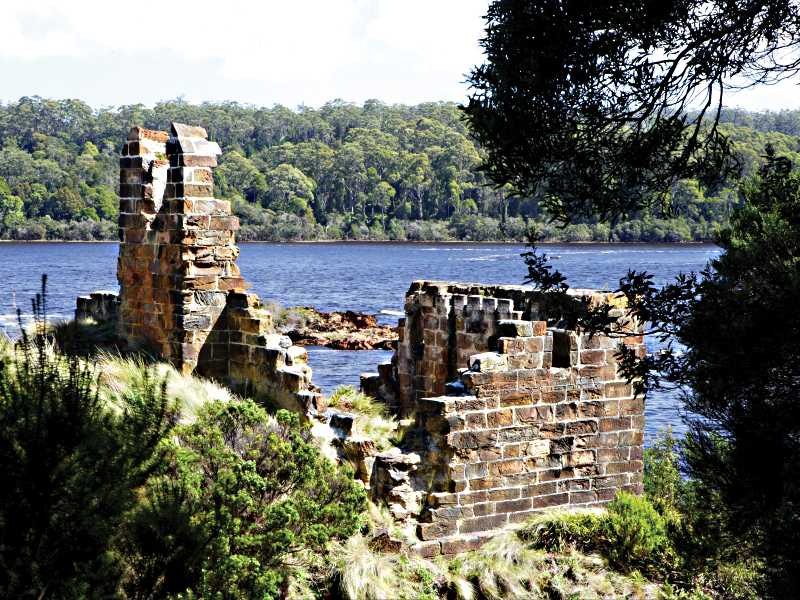
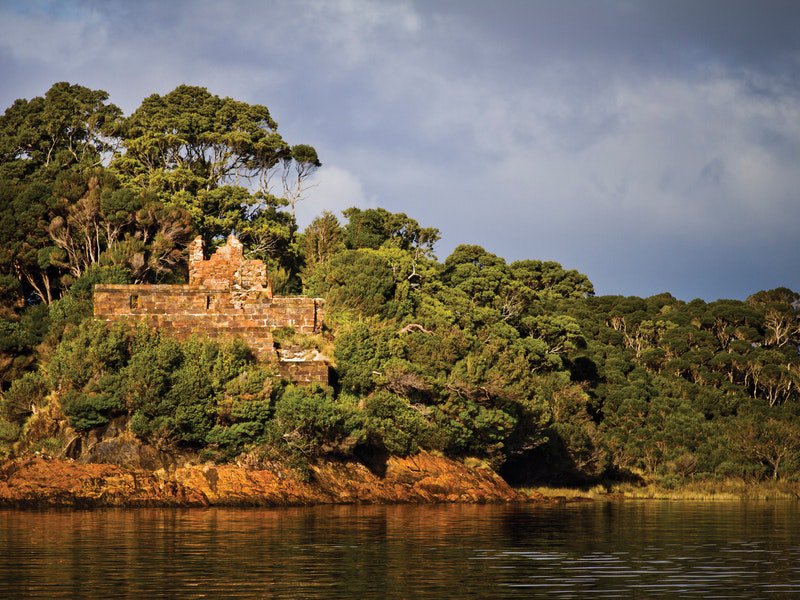
Next morning we boarded the Gorden Explorer at 8.40 am. Although the weather looked dismal we moved around the ship when weather permitted. Macquarie Harbour is renowned for the reflections on the tea coloured water but the rain put an end to that. We passed Sarah Island and were given a brief history of the penal settlement established in 1820. Unfortunately, we didn’t go ashore. Hopefully, we will go back again to fill in the gaps.
The attraction of Sarah Island was the Huon Pine, a tree perfect for shipbuilding. The island and nearby harbour shores were covered in it. Over 100 vessels were built during its time as a penal colony. Life would have been miserable for the convicts, cutting timber in chains in the cold and rain. Crowded barracks, frequent floggings and inadequate food would have made it a “Hell on Earth”.

Sarah Island was the penal settlement to which only the worst criminals were sent. They had committed felonies while they were in prison, or tried repeatedly to escape. Some proudly wore the scars of 300 lashes. As a result, the most harrowing and horrifying stories come from that island. One convict, known as Trenham, stabbed a fellow inmate, reasoning that this would get him executed and he wouldn’t have to spend any more time on Sarah Island.
Another famous escape was that of James Goodwin. He and Thomas Connell carved themselves a canoe and rowed up the Gordon and Franklin Rivers. Eventually, they had to leave the canoe and continue on foot. Goodwin reached the town of Ouse but Connell was never heard of again. Fortunately for Goodwin, he was pardoned and given a job with the Surveyor General because he knew so much about the Western Wilderness.
Alexander Pearce would stop at nothing to survive. Escaping with seven others, they were all soon starving so drew lots as to who they would kill and eat. Pearce was the lone survivor although some went back to Macquarie Harbour in preference to being eaten. He was recaptured and sent back to Sarah Island. He escaped again with one other inmate who also became a meal for the desperate man. What happened to him after his capture eleven days later I hate to think.
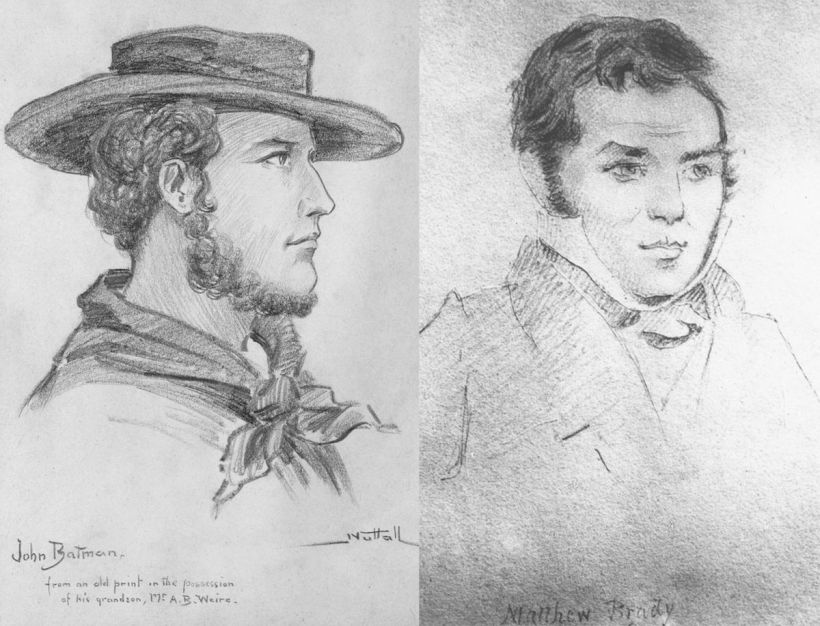
Some people succeeded in their escape, for a while anyway. Matthew Brady stole a boat and became a bushranger. Like Ned Kelly he became a folk hero as he was always well mannered when robbing his victims. Alas, he was captured in 1826 when one of his gang turned informer in exchange for a pardon.
Probably the most amazing escape is the story of “The Men That God Forgot”, the title of a book by Richard Butler.
When it was decided to close the settlement and move the convicts to the newly built Port Arthur prison, not only the convicts were relieved. Water laden westerly winds brought 100 inches of rain a year. The Roaring Forties in Winter were fierce and furious. The soldiers were looking forward to posts in balmy India or more temperate parts of Australia.

In 1833 all had left the tiny island in Macquarie Harbour except ten convicts who were completing the construction of the last boat, the Frederick. Of the soldiers left to guard the men, Captain Charles Taw reputedly kept his spirits up with regular doses of rum. His deputy, Mr Hoy was a more sympathetic man but dogged by severe back pain. Only five others were left to guard the ten so it is no wonder that disaster struck.
When four soldiers went fishing and with the guns locked away, it was an easy matter for the convicts to take over the ship. They put the soldiers ashore with a month’s supply of food. Some of the convicts had enough humanity not to wish starvation on their former guards.
The ship set off for South America while the seven soldiers decided to walk the hundred plus miles to the Van Diemen’s Land Company property at Woolnorth on the far north coast.
The escaped convicts sailed west and made it all the way to Chile, pumping water from the leaking hull as they faced storms and freezing weather. Finally abandoning ship they rowed the whaleboat to shore and pretended to be shipwrecked sailors. Four of the men were captured and brought back to stand trial on charges of piracy. However, these charges couldn’t stick because the ship had not been completed and had not been seized in open waters, so they were only found guilty of robbery, not piracy. Consequently, they were not hanged, only imprisoned.
The story has been celebrated since 1994 in the form of a live theatre production “The Ship that Never Was” performed every day in Strahan.
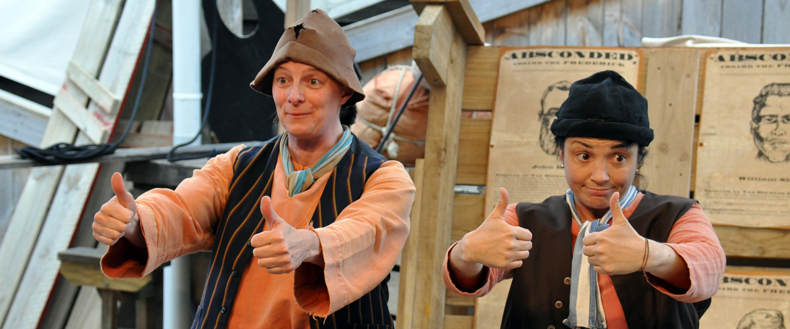
My grandchildren visited two years ago and were very excited to be part of the production which invites members of the audience to participate.







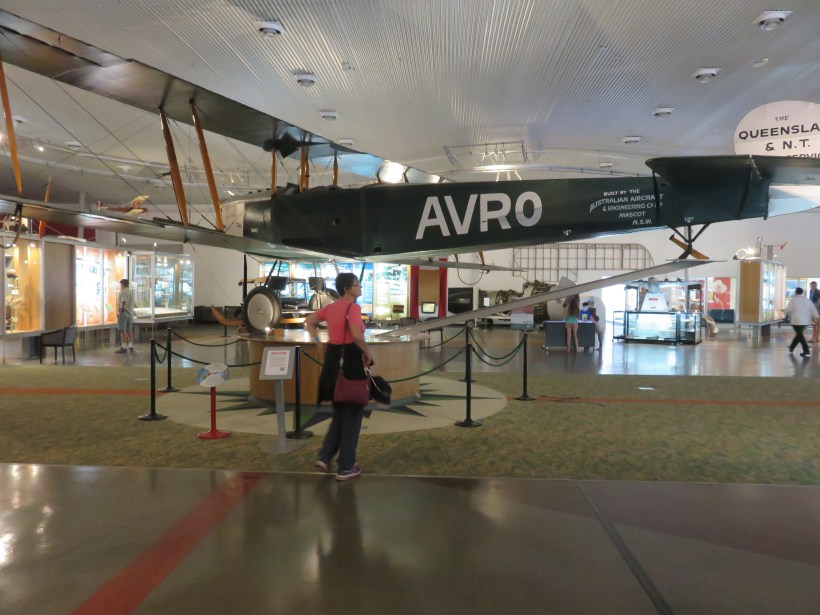
 Our first visit to the Qantas Museum was in September 2002.


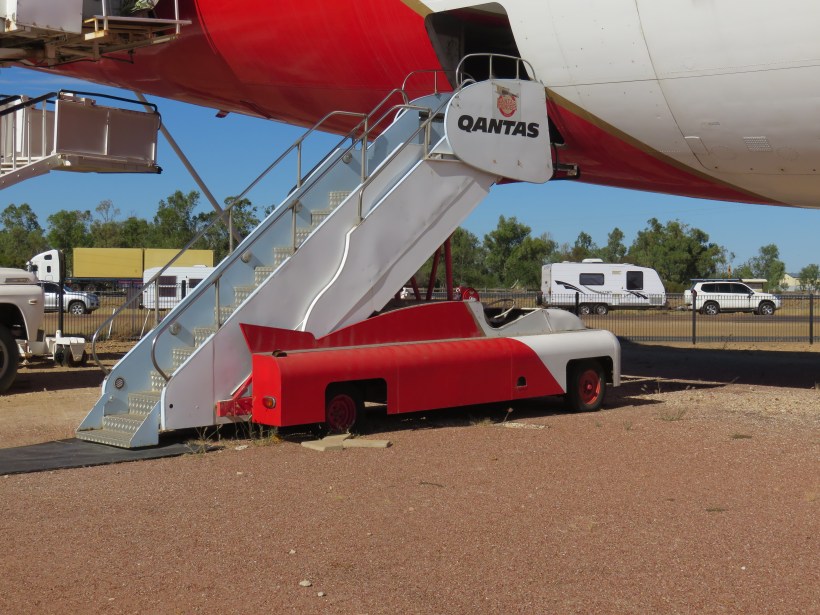
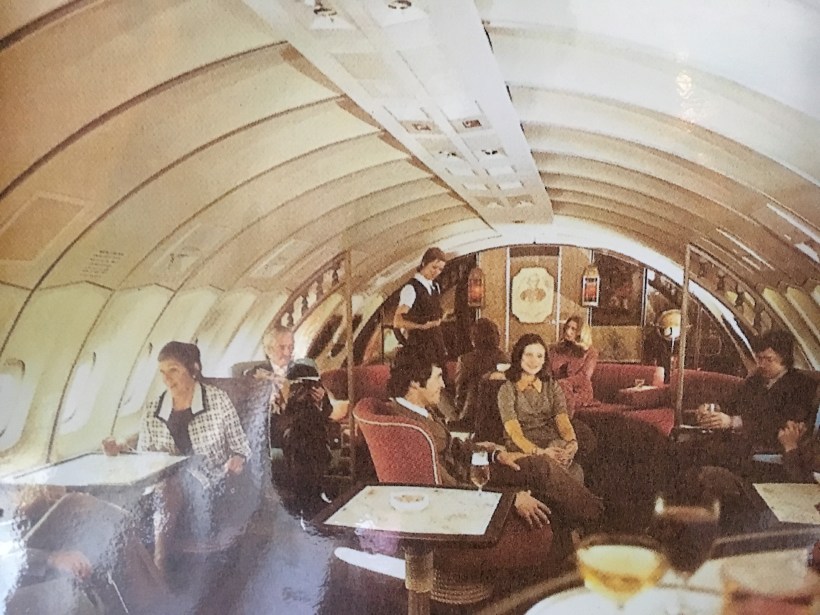
 It was 2017 when we called in again, this time to see the two Boeings, a 707-138B and a 747-200 which had landed in 2006 and 2009 respectively.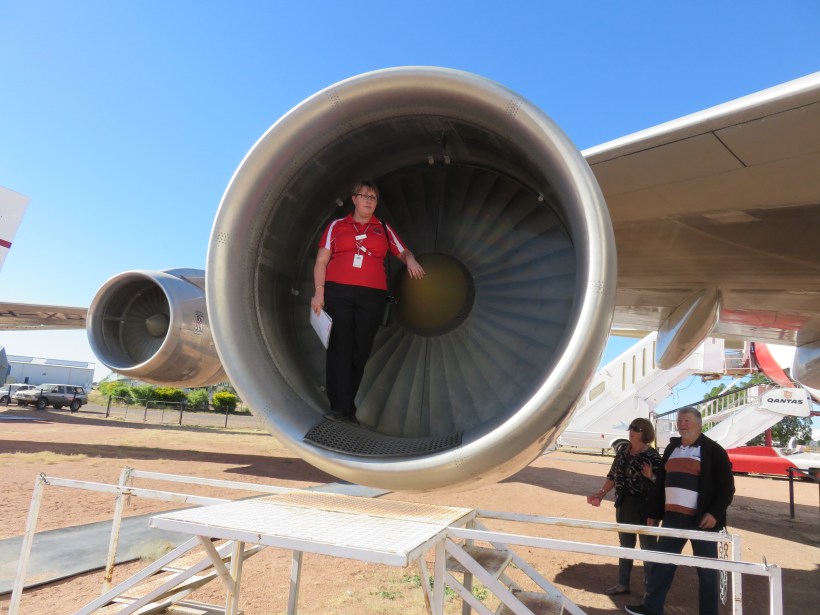



 Ever since I wrote in the 2017 A to Z about John’s great-great-grandparents’ experience at the Quarantine Station in Melbourne we have both been keen to see it for ourselves. Here is an extract from the blog: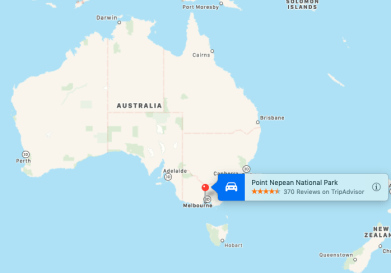
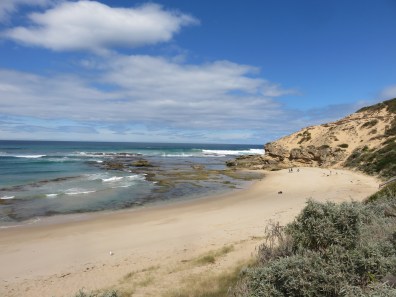
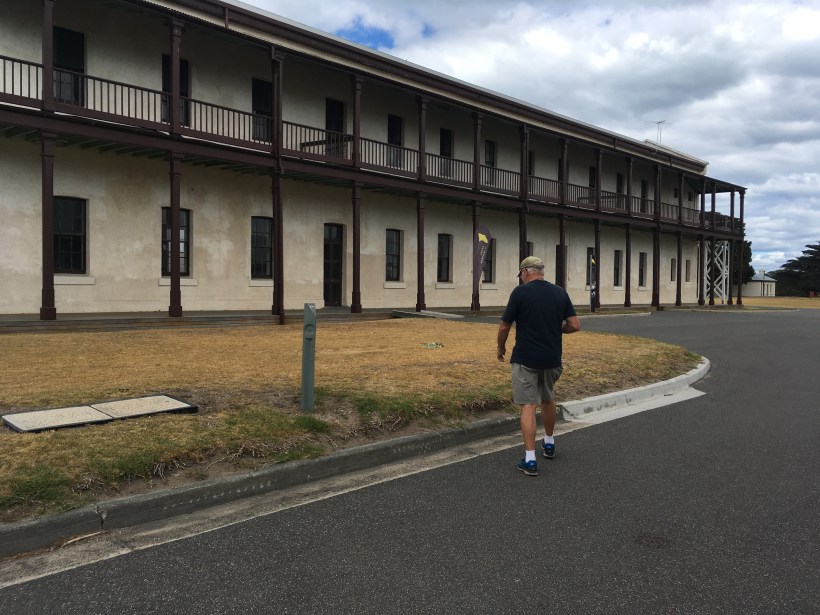
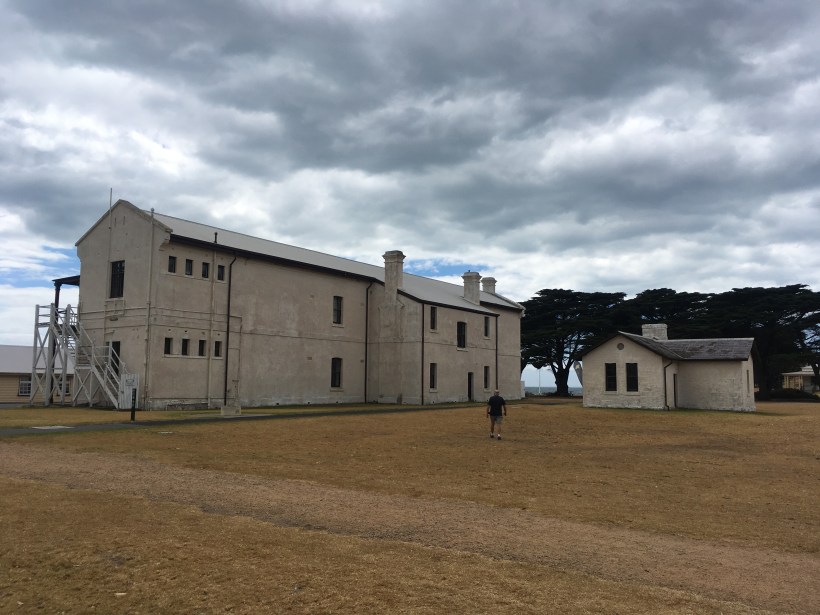
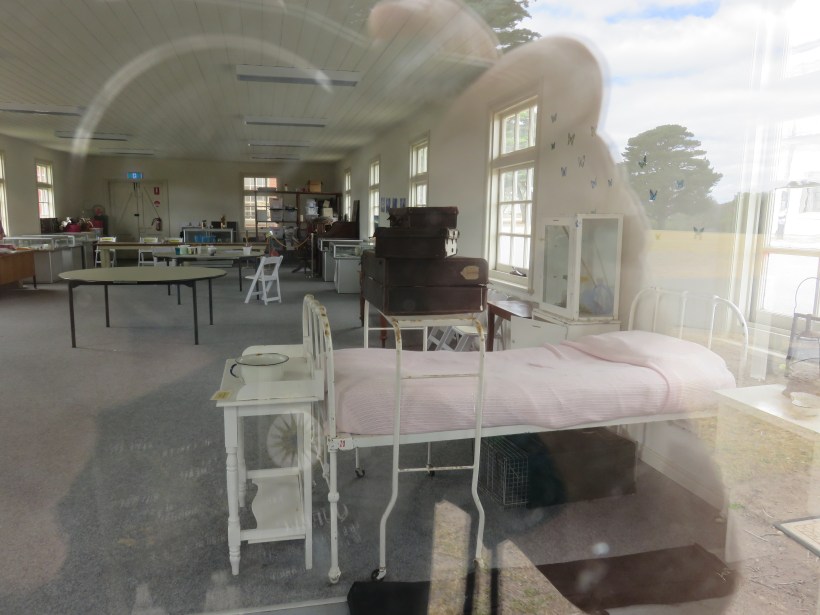
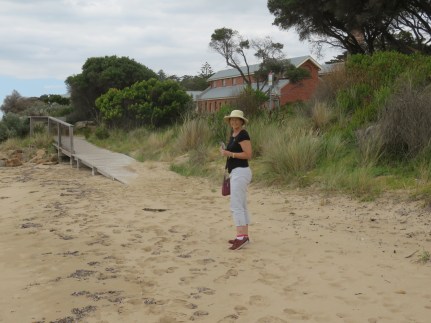
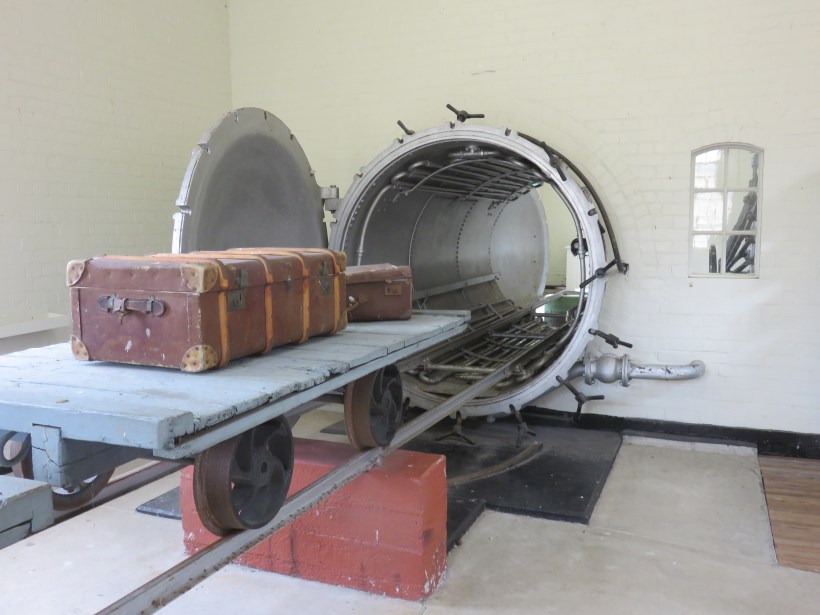
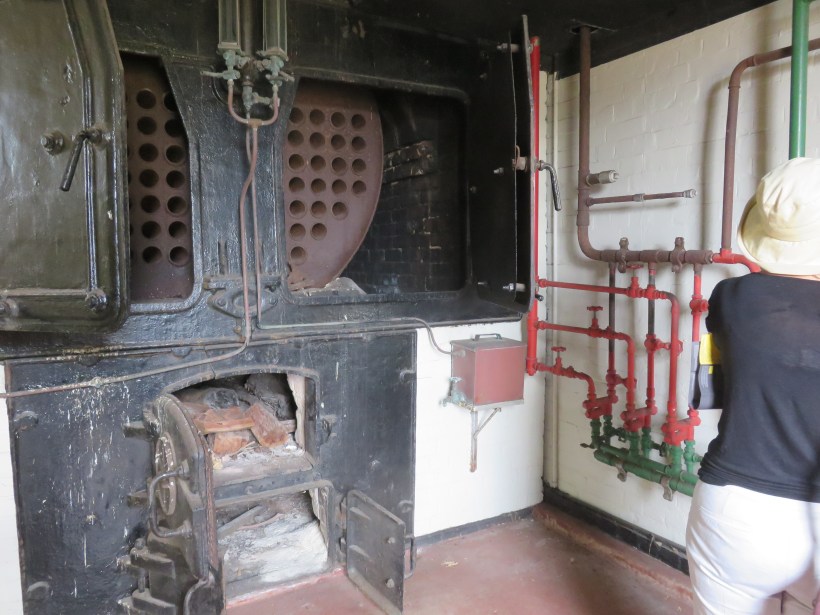
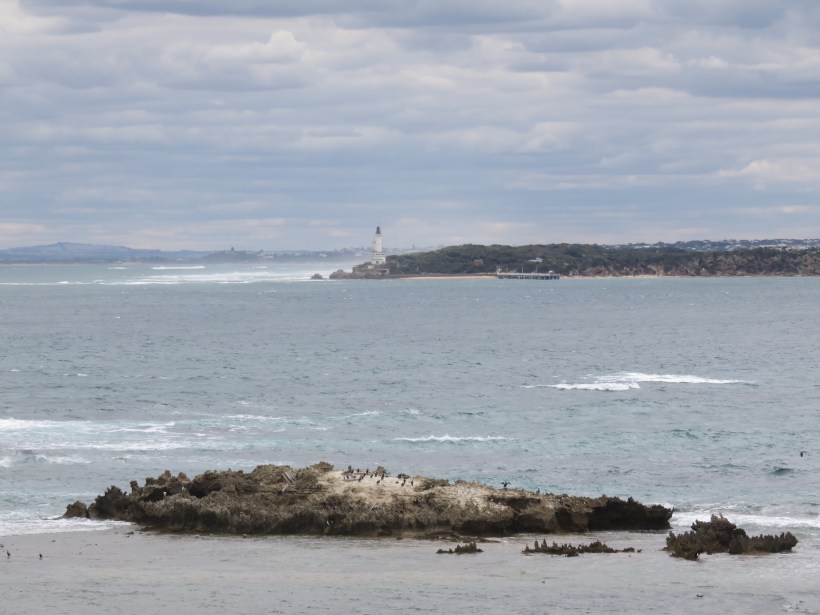
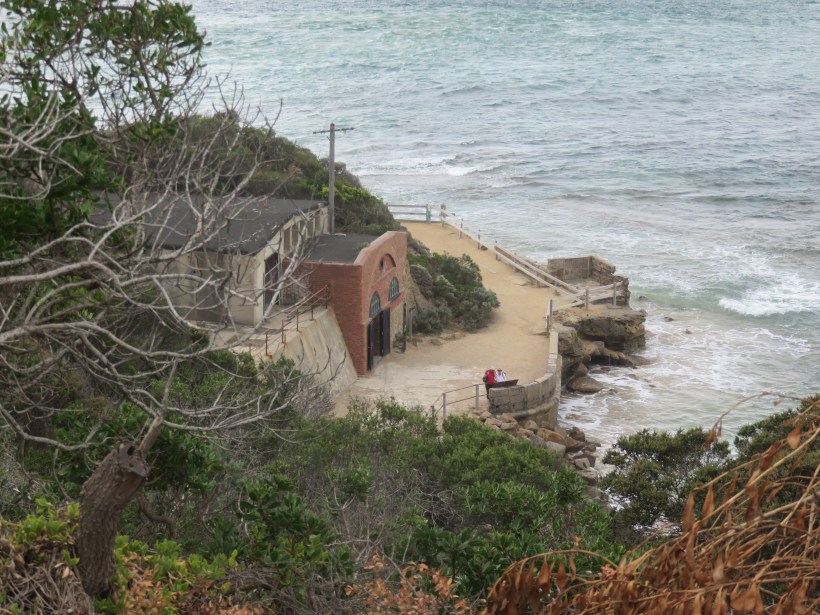
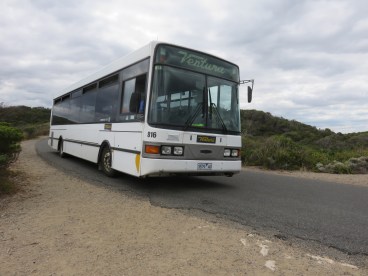 We noticed that a bus left for Fort Nepean every hour. After exploring the Quarantine Station for several hours and eating our picnic lunch (there is no food available there) we paid our $10 and set off on a further adventure. Not knowing what to expect we learnt the fort had been built in 1878 to guard against enemy attack.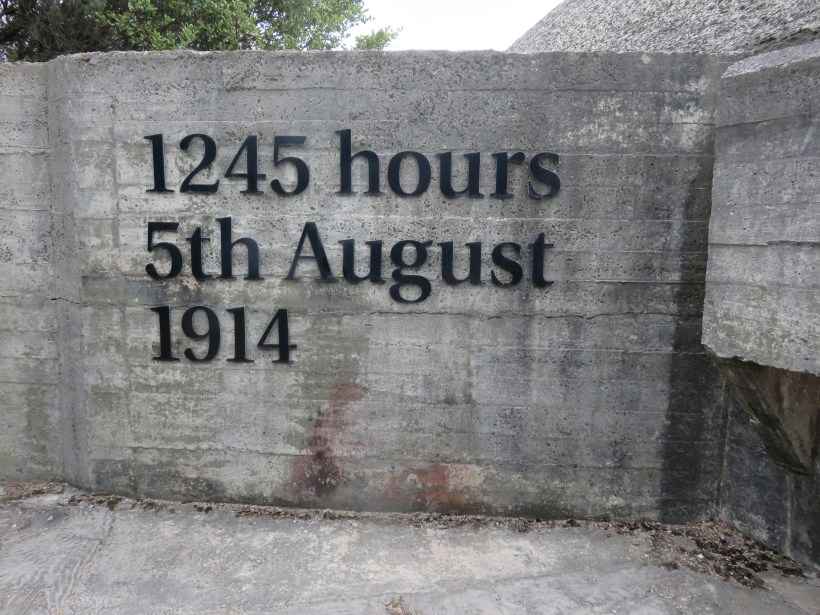


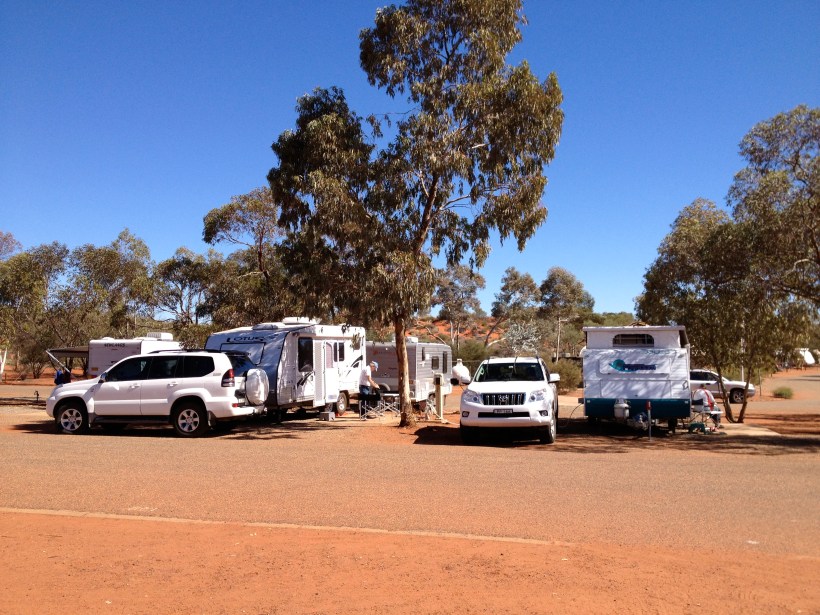


 We have been driving north to Queensland as the weather cools down in the Illawarra for as long as we can remember.


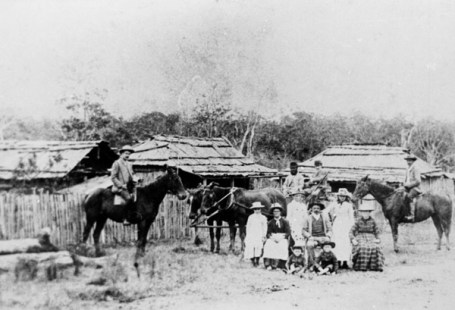
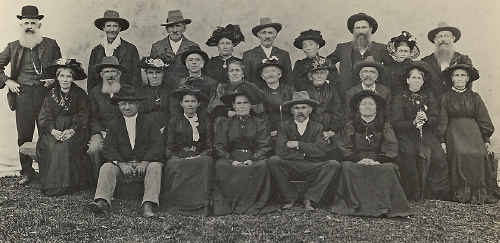



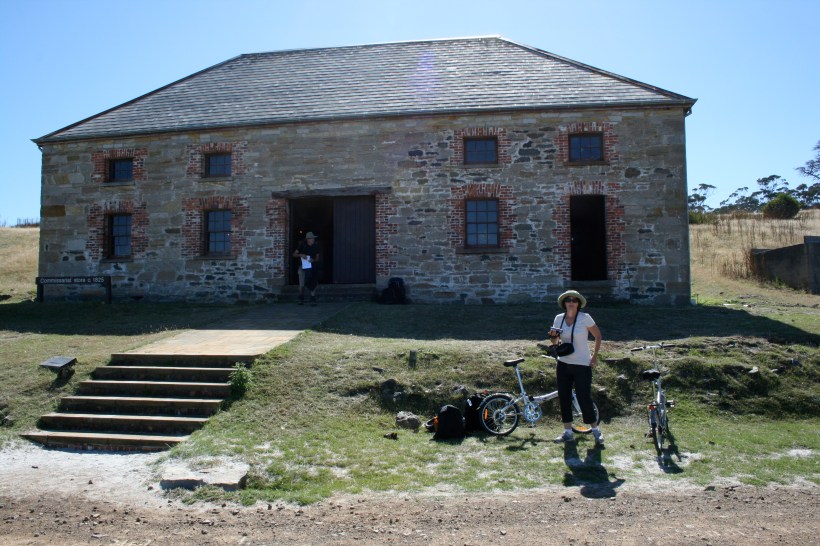
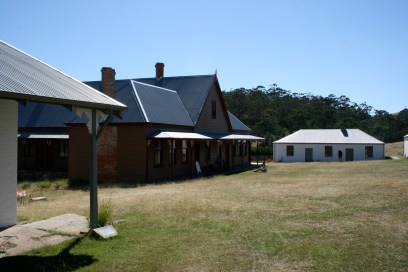
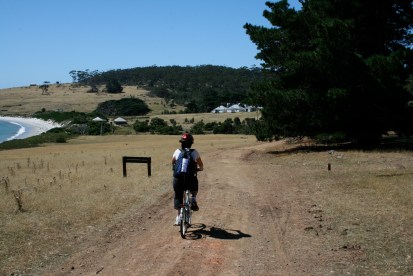 I didn’t fall off but it was close a few times.




 The year was 2007.

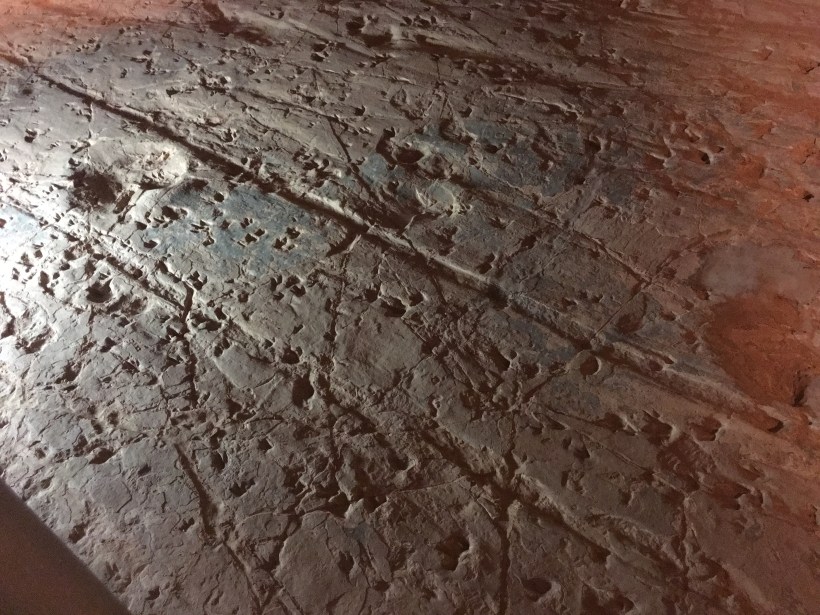
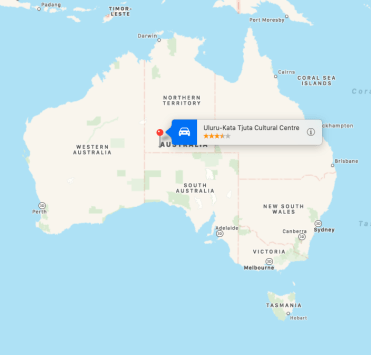
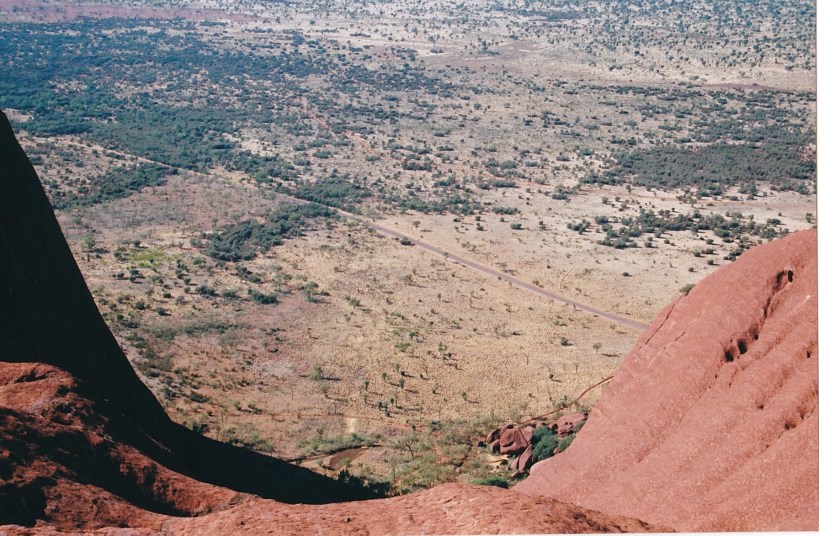
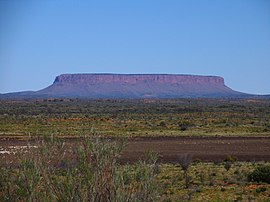
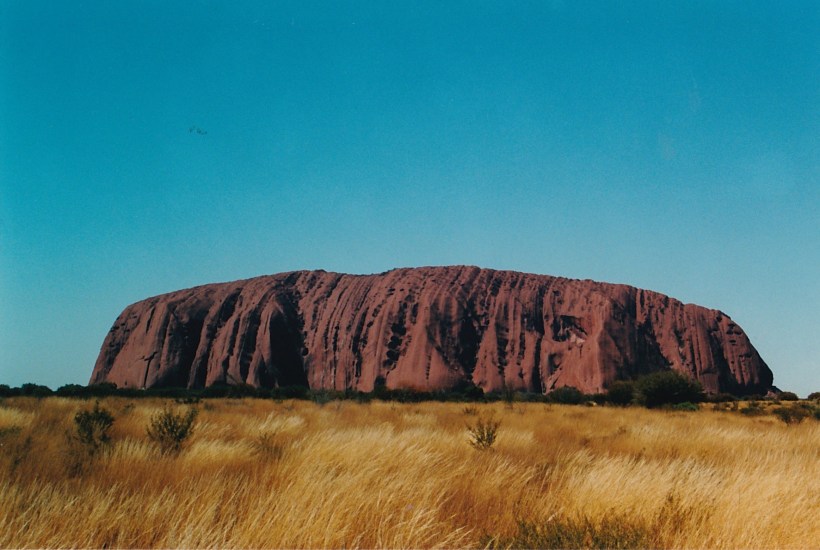
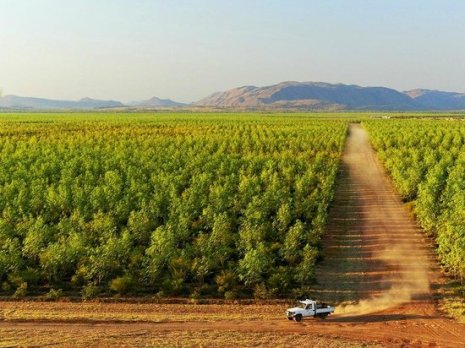
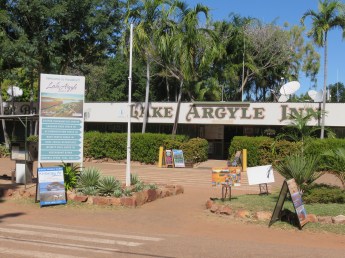
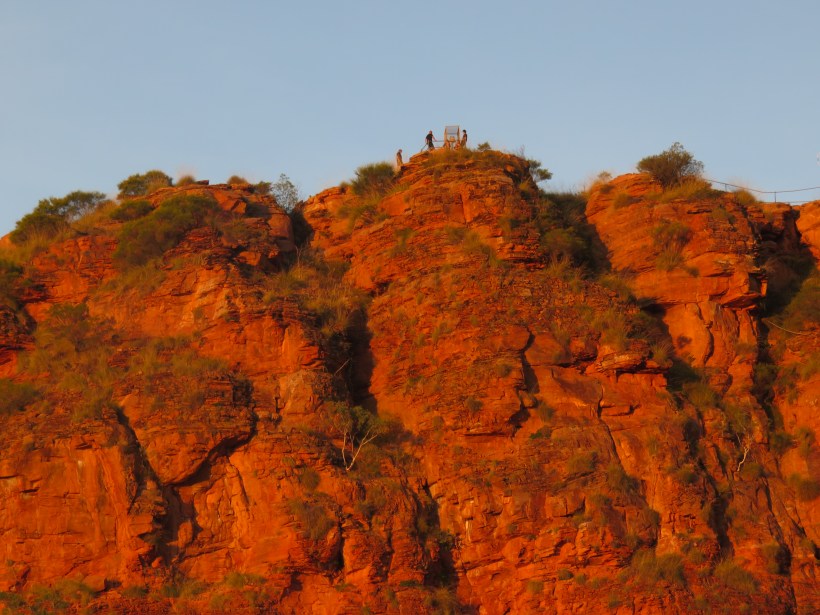
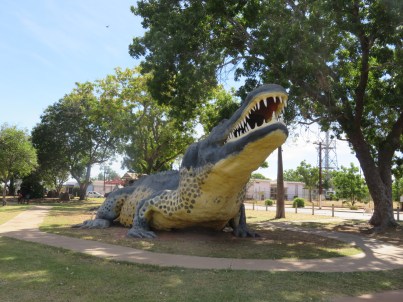
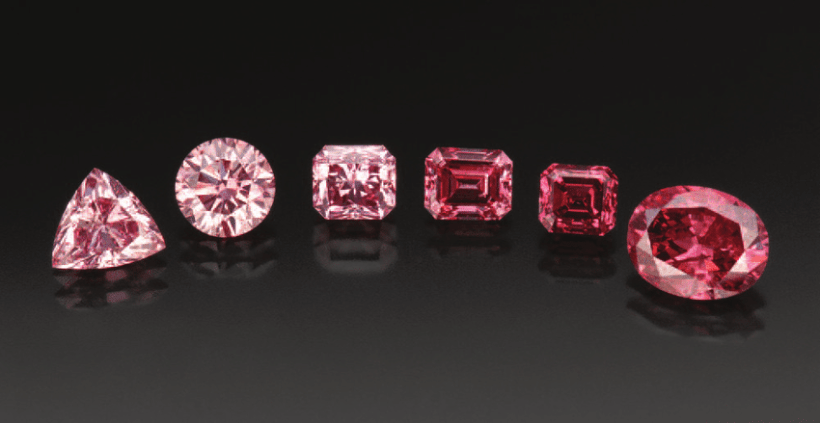
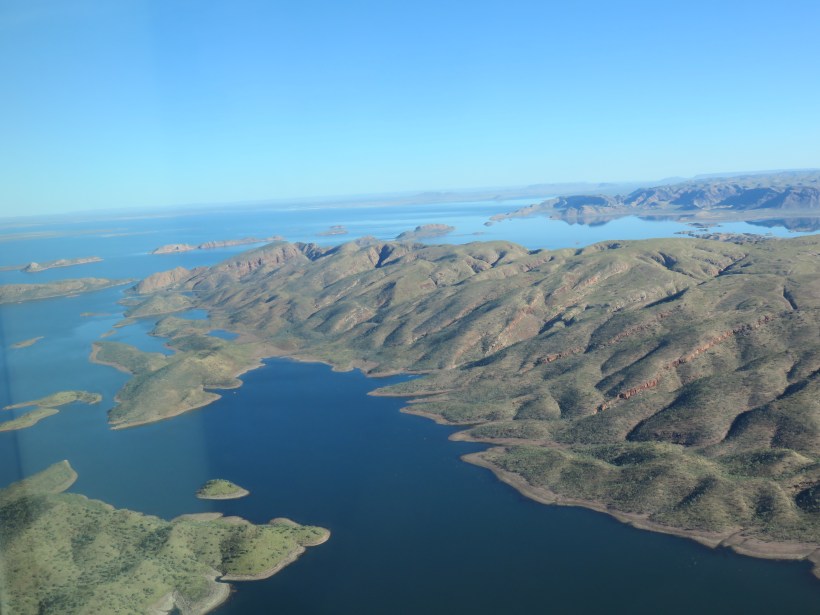
 K brings to mind such a list of wonderful places: Kakadu, Katherine, Kings Canyon, Kata Tjuta, Kimberley, Kangaroo Island, Kununurra. It is hard to choose just one.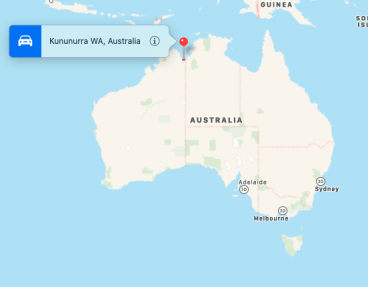


 Jerilderie seems to be one of those towns you pass through on the way to somewhere else.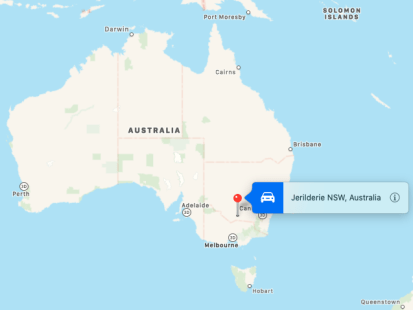
 The Curry Apple Orchard